
**Treasury Secretary Scott Bessent said the gold at Fort Knox is all accounted for — yet the last meaningful inspection of the 15-vault facility was a 1974 publicity stunt.
**Treasury Secretary Scott Bessent said the gold at Fort Knox is all accounted for — yet the last meaningful inspection of the 15-vault facility was a 1974 publicity stunt.
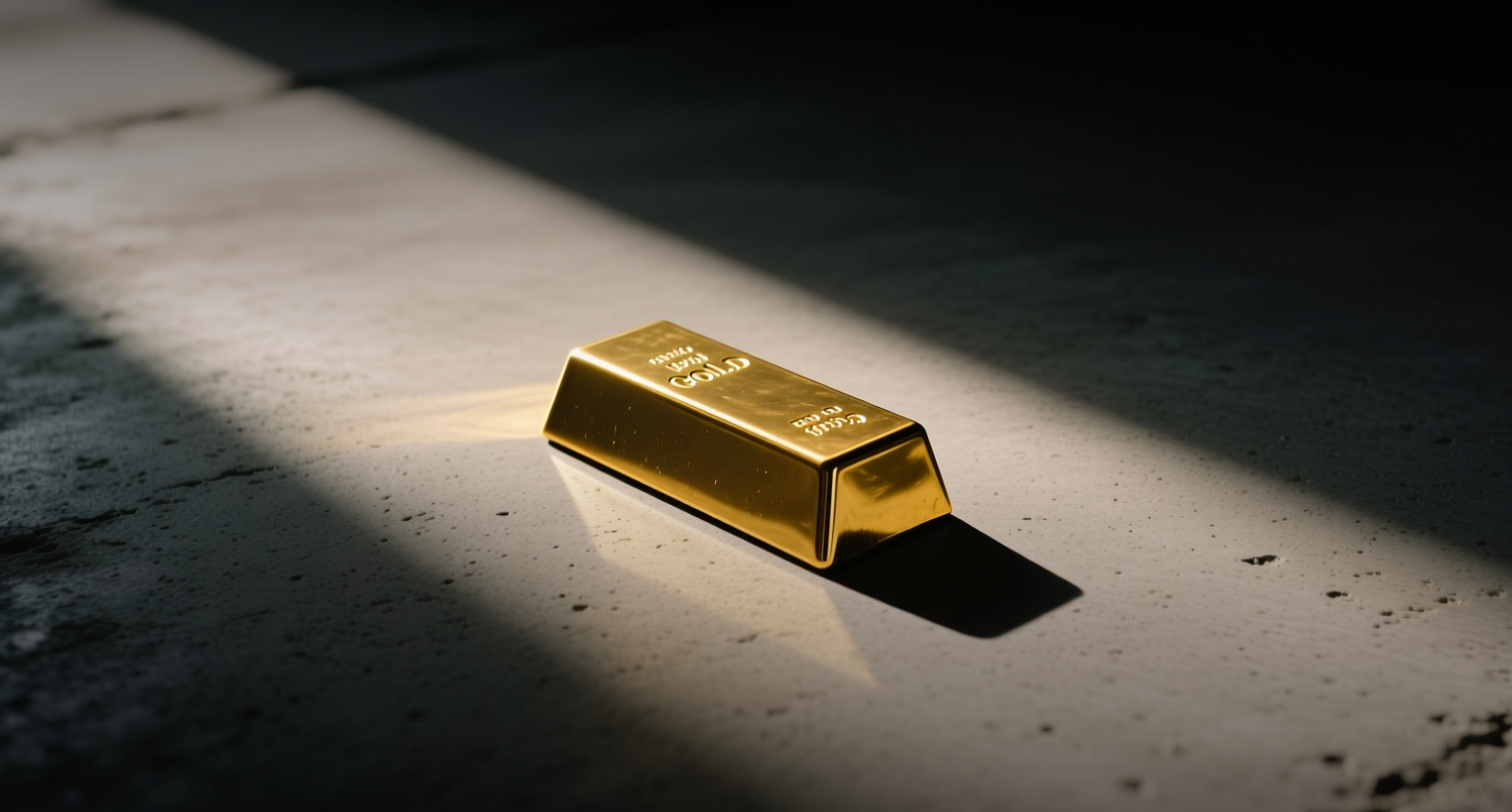
Treasury Secretary Scott Bessent said the gold at Fort Knox is all accounted for — yet the last meaningful inspection of the 15-vault facility was a 1974 publicity stunt.
Treasury Secretary Scott Bessent said the gold at Fort Knox is "all present and accounted for" during a Fox News interview Thursday, ending calls for an audit of a facility that last underwent a transparent inspection in 1974.
"I haven't. People on my staff have. The treasurer has been to Fort Knox, and I'm happy to say all gold is present and accounted for," Bessent told host Jesse Watters when asked whether he had visited the facility.
The last publicized inspection of Fort Knox occurred in 1974, when the Treasury opened one of the 15 vault compartments to politicians and reporters. During that two-hour visit, no gold bars were matched to serial numbers, assayed for purity or verified as part of US holdings, according to contemporaneous accounts cited by analysts. The Treasury has since described multi-year compartment inventorying as audits, though those efforts did not include independent verification or published results.
The lack of a rigorous external audit matters because the US gold reserve serves as a cornerstone of global financial confidence. If doubts about the integrity of those holdings spread, the resulting uncertainty could push gold prices higher and pressure the US dollar, particularly as the US engages in trade conflicts with 60 nations and military operations in the Middle East.
The 1974 event was more political theater than financial oversight. For about two hours, film crews and politicians filed through a single hallway to hold gold bars and peer into a room stacked with bullion. On their way out, each visitor passed a metal inspector to ensure no bars were being smuggled out. No bars were weighed, assayed or cross-referenced against Treasury records.
The Treasury says it later conducted a multi-year process of opening and inventorying vault compartments, affixing new tamper-evident seals upon completion. But those efforts fell short of basic accounting standards. Some compartment seals have since been broken and re-affixed without fresh auditing, according to reports cited by analysts. Subsequent annual reviews of seal schedules simply whitewashed prior discrepancies.
The resistance to an independent audit has puzzled market observers. In any other business setting, regular external audits are standard practice. The insistence that an audit is unnecessary — and the indignation sometimes directed at those who propose one — raises questions about what a proper inspection might reveal.
The stakes extend beyond transparency. The US holds the world's largest official gold reserves, and any erosion of confidence in those holdings could have tangible market consequences. Gold has historically served as a hedge against dollar weakness and fiscal uncertainty. A sustained gold rally driven by reserve doubts would ripple through currency markets, sovereign credit assessments and inflation expectations.
The last time US gold reserve integrity was publicly questioned, during the 1974 inspection, gold was trading around $150 an ounce and the dollar was under pressure from the collapse of the Bretton Woods system. Today, with gold near record levels and the dollar index facing headwinds from trade tariffs and geopolitical instability, the stakes are considerably higher.
This article is for informational purposes only and does not constitute investment advice.
