
The Bank of Korea's second straight hike to 3.00% bets the AI semiconductor boom can absorb higher borrowing costs without stalling the broader economy.
The Bank of Korea's second straight hike to 3.00% bets the AI semiconductor boom can absorb higher borrowing costs without stalling the broader economy.
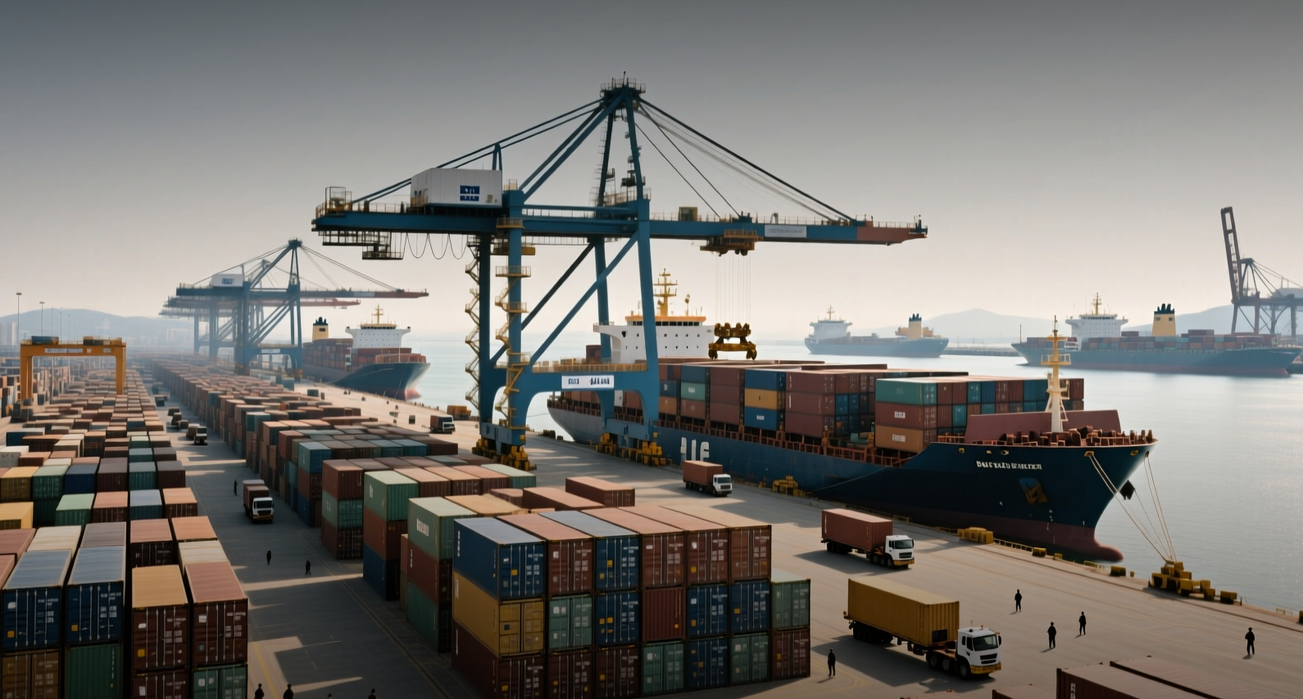
The Bank of Korea raised its benchmark seven-day repurchase rate by 25 basis points to 3.00% Thursday, a second straight hike, while upgrading 2026 growth to 3.3% on AI-fueled chip demand.
At its July meeting, the central bank said it needed to "continue a policy stance consistent with further rate hikes" given elevated cost pressures and accelerating housing prices in Seoul, according to its monetary policy statement. Governor Shin Hyun Song is scheduled to hold a press conference at 11:10 a.m. local time to explain the decision.
The decision restores the policy rate to 3% for the first time since January 2025, following the July 16 hike from 2.50% to 2.75%, and marks the first back-to-back increase since the pandemic-era tightening cycle of 2021-2023. The BOK now expects the economy to expand 3.3% this year, up from its May projection of 2.6%, and 2.9% next year, up from 2.1%. Inflation is projected to average 2.7% in 2026 and 2.3% in 2027, unchanged from prior estimates.
The hike tightens monetary conditions as South Korea's 10-year Treasury yield already trades at 4.263% and new mortgage rates reached 4.48% in July, the highest since November 2023. With household credit crossing 2,019.8 trillion won for the first time, the central bank is betting the semiconductor-driven export boom — August 1-20 exports surged 56% year over year with chip shipments at a record $26 billion — can absorb higher borrowing costs without triggering a wage-price spiral.
South Korea is one of the clearest winners of the artificial-intelligence build-out. Home to memory-chip makers Samsung Electronics and SK Hynix, the country's second-quarter real GDP expanded 3.7% from a year earlier, while gross domestic income surged 15.6% — the fastest pace since the first quarter of 1988. The BOK's upgraded growth forecast reflects the spillover effects of the semiconductor sector, which accounted for 47.2% of exports during the first 20 days of August.
The boost has helped shield Korea from external shocks but is also carving out a "K-shaped" pattern of growth, in which technology industries are booming while nontech sectors stall. Core inflation, which excludes volatile food and energy prices, climbed to 2.6% in July, the highest since December 2023. Headline consumer prices rose 2.8% from a year earlier, cooling from June's 3.2% but remaining well above the central bank's 2% target.
Seoul's housing market has added another layer of urgency to the tightening campaign. Apartment prices in the capital jumped 2.5% month on month in June, the sharpest increase in five years. The central bank has repeatedly cited accelerating property prices in Seoul and its surrounding areas as a factor requiring continued vigilance.
The BOK's concern is that the semiconductor-driven export boom could fuel a wage-price spiral. If major corporations report massive operating profits and distribute higher wages and bonuses, consumption could expand and push prices up further, according to the central bank's analysis.
The decision was split among analysts polled by The Wall Street Journal, with 16 of 31 forecasting another increase while 15 projected a pause. Some market analysts had argued that recent sharp declines in the won and domestic equity prices might prompt a pause, but the central bank prioritized price stability. Most analysts, including some of the more dovish-minded, expect further rate increases in October or November. Thirty of 31 forecasters with year-end calls still expect the base rate to reach at least 3.00% by December — a threshold now already met.
The last time the BOK delivered consecutive hikes was during the pandemic-era tightening cycle from November 2021 through January 2023, when the policy rate rose from 0.75% to 3.50% over 14 months. This time, the economic backdrop is different: strong GDI growth, strong exports, and persistent core inflation have convinced policymakers the economy can absorb higher borrowing costs without tipping into recession, even as consumer spending recovery remains soft.
The BOK will release updated economic forecasts and a new six-month conditional rate path alongside the decision. A projected path pointing toward 3.25% would signal the tightening cycle has further to run; a path stopping at 3.00% could indicate the central bank sees the current level as near the peak.
This article is for informational purposes only and does not constitute investment advice.
