

The gap between AI compute and memory bandwidth is growing fast, and three chip makers are positioned to capture the $45 billion HBM market.
The gap between AI compute and memory bandwidth is growing fast, and three chip makers are positioned to capture the $45 billion HBM market.
The artificial intelligence industry is running into a physics problem. While GPU performance has doubled every two years — Nvidia's upcoming Rubin architecture is expected to deliver more than 4,000 TFLOPS of FP8 compute — the memory bandwidth feeding those chips has not kept pace, creating what engineers call the "memory wall." That bottleneck is about to get taller, and it is reshaping where the money flows in the AI supply chain.
"The memory wall is the single biggest constraint on AI model performance today," said Daniel Newman, principal analyst at Futurum Group. "You can have the fastest GPU in the world, but if the memory can't feed data fast enough, you're leaving performance on the table."
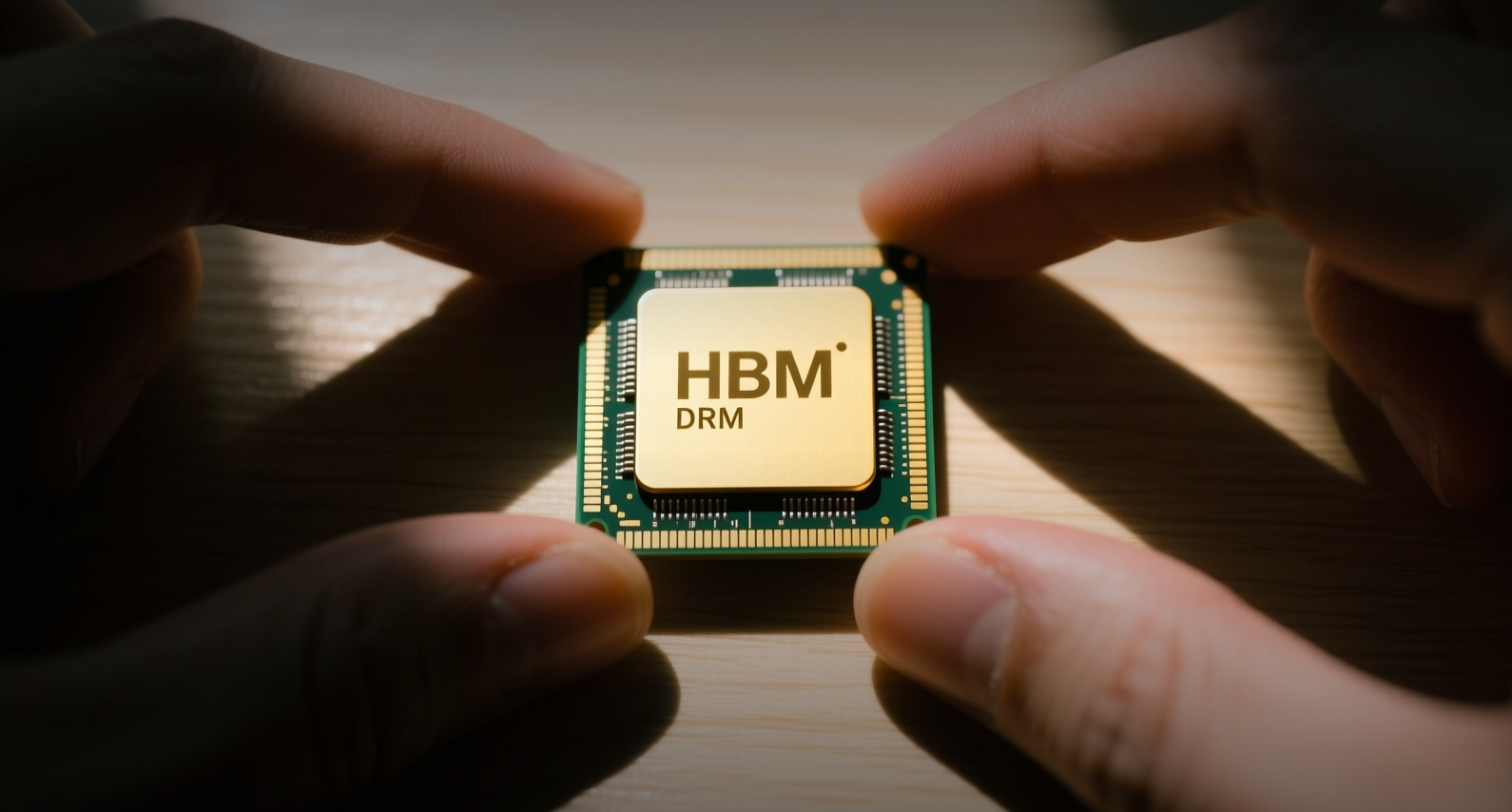
The solution is high-bandwidth memory, or HBM — a vertically stacked DRAM design that sits inches from the GPU. HBM3e, the current generation, delivers data transfer rates of more than 1.2 terabytes per second per stack, while the next-generation HBM4 standard, expected to enter mass production in 2026, targets 2 TBps or higher. But supply of both generations remains extremely tight. KeyBanc analysts said in a July 14 note that limited supplies of DRAM and NAND are keeping prices elevated, with HBM supply expected to remain constrained through 2027.
That supply-demand imbalance creates a powerful pricing environment for the three companies that dominate the HBM market: Micron Technology, SK Hynix and Samsung Electronics. Together, they control virtually all of the HBM market, which industry researcher Yole Group estimates will grow from $18 billion in 2025 to $45 billion by 2028. The winners are the ones that can ramp HBM3e and HBM4 production fastest — and the losers are the hyperscalers and GPU makers competing for every available wafer.
HBM production is not simply a matter of building more factories. Each HBM stack requires a base logic die manufactured at a leading-edge node — typically TSMC's CoWoS (chip-on-wafer-on-substrate) packaging technology — plus eight to 12 DRAM dies stacked vertically and connected through silicon vias. The process yields are lower than standard DRAM, and the packaging capacity at TSMC and its rivals is already booked through 2026.
SK Hynix, which pioneered HBM and supplies Nvidia's H100 and B200 GPUs, began sampling HBM4 in early 2026. But a July 13 estimate from South Korean brokerage KIS put the company's second-quarter earnings 8% below consensus, citing slower-than-expected HBM4 shipments. The stock collapsed 15% in Asia that day — its worst single-day drop on record — and its newly listed US ADR closed its first week in the red.
Micron, which entered the HBM race later but has ramped aggressively, received a price-target increase from KeyBanc to $1,750 from $1,600 on July 14, with the firm maintaining an Overweight rating. KeyBanc cited optimism about AI-related demand across the semiconductor supply chain and said tight memory supply is helping companies maintain strong pricing as customers compete for available chips.
Samsung Electronics, the third player, has been slower to qualify its HBM3e with Nvidia but is investing heavily in HBM4 production at its Pyeongtaek campus in South Korea. The company has not disclosed specific HBM revenue targets, but analysts at Morgan Stanley estimate Samsung's HBM revenue could reach $12 billion in 2026, up from roughly $4 billion in 2025.
The memory-stock rally hit a sharp reversal in the week ending July 17, when a brutal tech selloff swept across Wall Street. The iShares Semiconductor ETF fell 19% month to date, putting it on track for its worst monthly performance since November 2008. IBM shares plunged 25.2% on July 14 — the stock's worst trading day on record — after the company pre-announced second-quarter revenue $700 million below consensus.
CEO Arvind Krishna blamed a late-quarter budget shift, with clients redirecting spending toward AI hardware — memory chips, servers and storage — at the expense of IBM's software and infrastructure. The statement initially drove a rally in memory stocks on July 13, but the gains evaporated as investors locked in profits and rotated out of semiconductors.
SanDisk and Western Digital both fell more than 20% on the week, while Micron, SK Hynix and Samsung declined between 8% and 15%. Analysts at KeyBanc and Morgan Stanley described the selloff as profit-taking rather than a fundamental demand shift, noting that HBM supply remains tight and pricing power intact.
The memory wall thesis suggests that HBM pricing power will persist even as GPU performance accelerates. Micron trades at roughly 12x forward earnings, a discount to the broader semiconductor sector, reflecting its later entry into HBM and the cyclical nature of memory markets. SK Hynix trades at a premium, near 18x forward earnings, reflecting its first-mover advantage with Nvidia. Samsung, diversified across memory, foundry and consumer electronics, trades at about 14x forward earnings.
The risk is that HBM supply catches up faster than expected. Samsung's aggressive ramp, combined with potential capacity additions from Chinese memory maker CXMT, could pressure prices in 2027. But for now, the three incumbents hold a structural advantage: HBM requires advanced packaging capacity that takes 18 to 24 months to build, and TSMC's CoWoS lines are fully committed through next year.
This article is for informational purposes only and does not constitute investment advice.
