
The Federal Reserve's July 29 decision will test whether Chair Warsh breaks with a market pricing 88% odds of a hold.
The Federal Reserve's July 29 decision will test whether Chair Warsh breaks with a market pricing 88% odds of a hold.
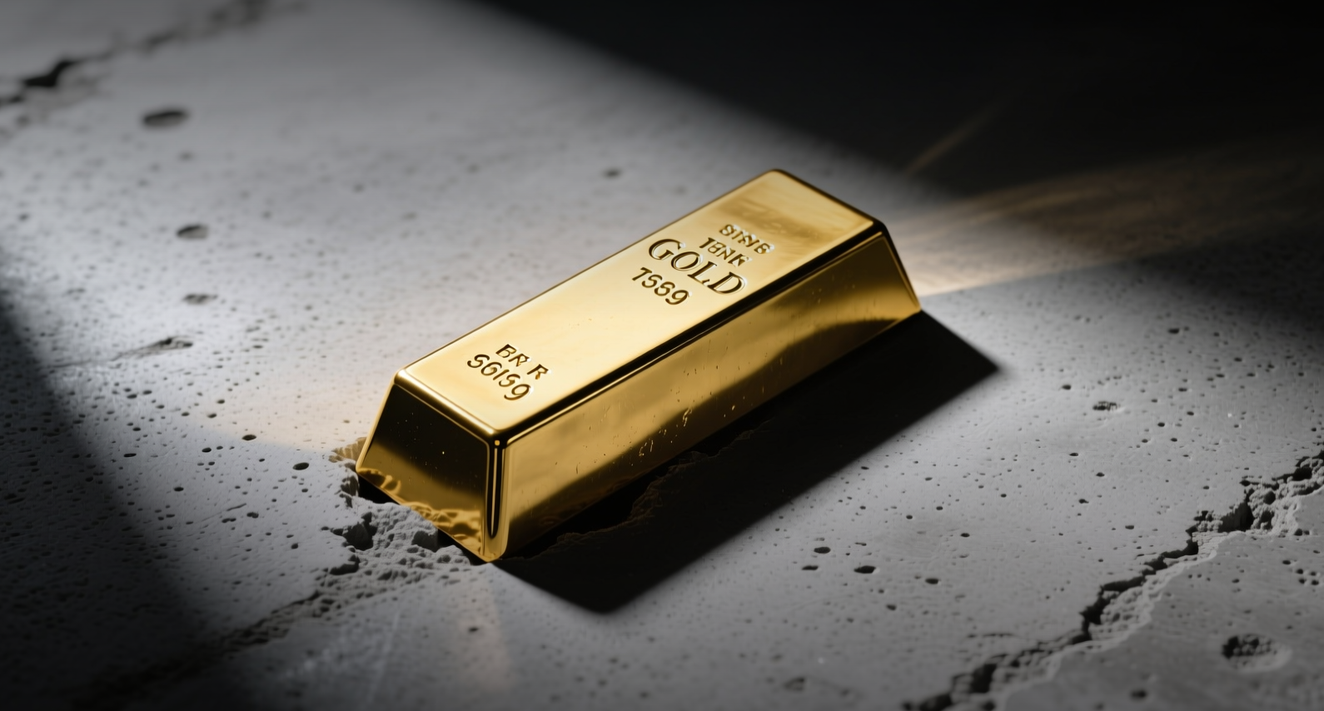
The Federal Reserve's July 29 decision will test whether Chair Kevin Warsh breaks with a market pricing 88% odds of a hold.
The Federal Reserve faces its most consequential policy communication in months on July 29, when Chair Kevin Warsh delivers the post-FOMC press conference at 02:30 ET with markets pricing an 88% probability of a hold.
"Markets are pricing a near-certain hold, but the risk is that Warsh delivers a hawkish surprise given the inflation impulse from higher energy costs," said Tony Sycamore, market analyst at IG. "The combination of gold above $4,100 and elevated volatility suggests investors are bracing for a more cautious tone."
The July 28-29 FOMC meeting comes as gold trades at $4,119.54 an ounce, up 1% on the day, while silver climbed 1.9% to $59.93. The precious metals rally reflects safe-haven demand amid escalating Middle East tensions, including fresh military exchanges near the Strait of Hormuz and Houthi threats against Red Sea shipping. Higher oil prices have reinforced inflation expectations, potentially limiting the Fed's ability to signal future easing. OIS markets assign just a 12.2% probability of a 25-basis-point hike, according to data compiled from market expectations.
The stakes are unusually high because the Fed must navigate conflicting signals: a resilient economy that argues against rate cuts, and geopolitical shocks that could either suppress growth or fuel inflation — or both. The last time the Fed faced a comparable energy-supply shock was in 2022, when the Russia-Ukraine war pushed Brent above $130 and the central bank responded with 75-basis-point hikes. If Warsh signals a prolonged hold, the dollar could strengthen further, putting additional pressure on emerging-market currencies and commodities priced in the greenback. The next FOMC meeting after July is scheduled for September, giving markets a six-week window to digest whatever signal Warsh delivers.
The press conference format itself carries significance. Warsh, who succeeded Jerome Powell as Fed chair, has used previous appearances to recalibrate market expectations through carefully chosen language. His July 29 remarks will be parsed for any shift in the Fed's assessment of the dual mandate — particularly whether the recent spike in energy-driven inflation is viewed as transitory or persistent.
Gold's Rally Complicates the Fed's Messaging
The surge in precious metals underscores the tension in the Fed's position. Spot gold has climbed above $4,100, with Sycamore noting that a sustained move above technical resistance at $4,120 could pave the way for a recovery toward the 200-day moving average near $4,494. Silver extended gains after surging more than 4% in the prior session. The rally in haven assets suggests investors doubt the Fed can ease policy anytime soon, even as growth concerns mount. A stronger dollar and higher Treasury yields have failed to dent bullion's appeal — a sign that geopolitical risk premiums are overwhelming traditional rate-differential logic.
What Markets Are Watching
Beyond the rate decision itself, traders will focus on three elements of Warsh's communication: the statement's characterization of inflation, any reference to the Middle East conflict's economic impact, and the implied rate path for 2027. The CME FedWatch tool shows the next meaningful probability of a cut emerging only in the September meeting, contingent on how inflation data evolves through August.
This article is for informational purposes only and does not constitute investment advice.
