

Xiaomi's SU7 sedan delivered 21,044 units in July, keeping the smartphone maker on pace for its roughly 550,000-vehicle annual target as it presses its challenge to BYD and Nio in China's electric-vehicle market.
Xiaomi's SU7 sedan delivered 21,044 units in July, keeping the smartphone maker on pace for its roughly 550,000-vehicle annual target as it presses its challenge to BYD and Nio in China's electric-vehicle market.
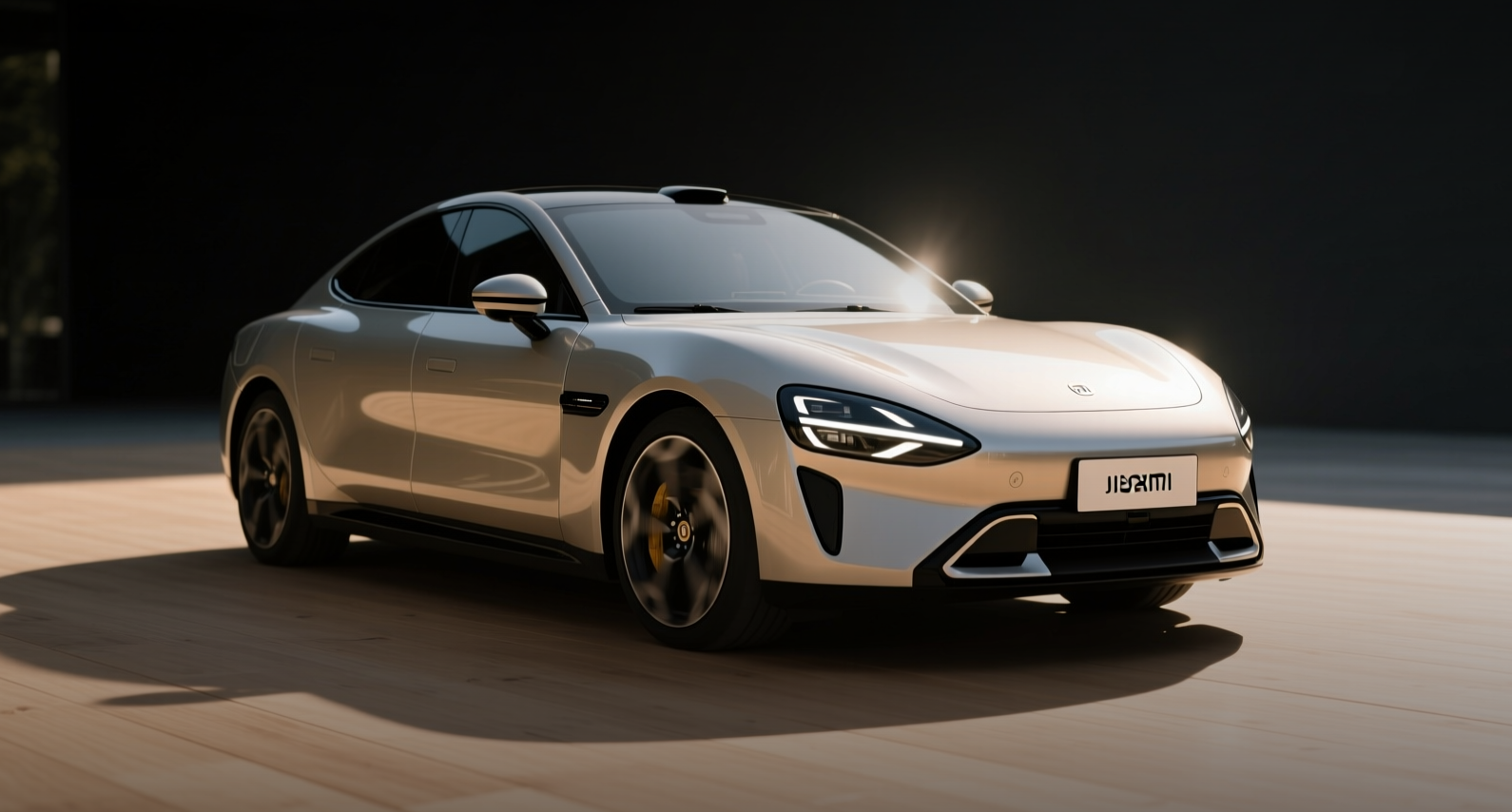
Xiaomi's SU7 sedan delivered 21,044 units in July, keeping the smartphone maker on pace to hit its roughly 550,000-vehicle annual target as it deepens its push into China's electric-vehicle market, where homegrown brands now set the pace.
The July figure, disclosed in the company's monthly sales update, extends a run of deliveries for the SU7, the first model from Xiaomi's auto unit. Xiaomi has said its EV division aims to sell roughly 550,000 vehicles this year, a target that would make it one of the fastest-growing players in a market where BYD overtook Volkswagen for the sales lead in 2024 and Geely followed in 2025.
The SU7's performance comes as Chinese buyers increasingly favor software, connectivity and in-car technology over traditional selling points of horsepower and handling, a shift that has eroded the position of German brands including Mercedes-Benz, BMW and Audi. Xiaomi, which built its reputation on smartphones, has leaned into that tech-first approach, treating vehicles less like machines and more like smartphones on wheels.
For investors, the delivery figure is a key gauge of Xiaomi's diversification beyond handsets. The company's EV unit is targeting roughly 550,000 vehicles sold this year, and the auto business has become a central pillar of its growth story. The SU7's sustained volumes also raise the competitive bar: Nio is targeting 40-50 percent sales growth this year, while Xiaomi's EV ambitions now rival those of established players.
Xiaomi's tech-first play in a shifting market
The SU7's July tally shows how Xiaomi has translated its smartphone playbook into autos. The company, which entered the EV market in 2024, has positioned the SU7 as a software-driven vehicle, with over-the-air updates and deep integration with its broader device ecosystem. That approach resonates with younger Chinese buyers who increasingly judge cars by their digital experience rather than engine specs.
The shift has been costly for legacy automakers. Mercedes-Benz sold 551,900 vehicles in China in 2025, down 19 percent year-on-year, while BMW delivered 625,527 units, a 12.5 percent decline. Volkswagen's market share slid from 19 percent in 2019 to 14.5 percent in 2024, and Porsche has seen Chinese sales fall for three straight years on weak demand for its electric Taycan.
Competitive pressure mounts
Xiaomi's delivery trajectory puts it in direct competition with Nio, which is targeting 40-50 percent sales growth this year, and with BYD, which has become China's best-selling automaker. The SU7's volumes also pressure German premium brands that have struggled to match the software and connectivity features Chinese buyers now expect.
German manufacturers have responded by leaning on Chinese partners. Audi has launched a China-only sub-brand with SAIC, while Volkswagen has teamed up with EV maker Xpeng to co-develop new models, including the ID. Aura T6 and ID. Unyx 09.
For Xiaomi shareholders, the SU7's sustained delivery volumes support the case that the auto business can become a meaningful profit driver. The company's EV unit is targeting roughly 550,000 vehicles this year, and each month's delivery figure is closely watched as a barometer of demand. The July result, if sustained, would put Xiaomi on track to become one of the top-selling EV brands in China within its first few years of production.
This article is for informational purposes only and does not constitute investment advice.
