
The first US-Japan coordinated yen-buying operation since 1998 exposes Washington's deeper motive: keeping Tokyo from selling its massive Treasury holdings to fund intervention.
The first US-Japan coordinated yen-buying operation since 1998 exposes Washington's deeper motive: keeping Tokyo from selling its massive Treasury holdings to fund intervention.
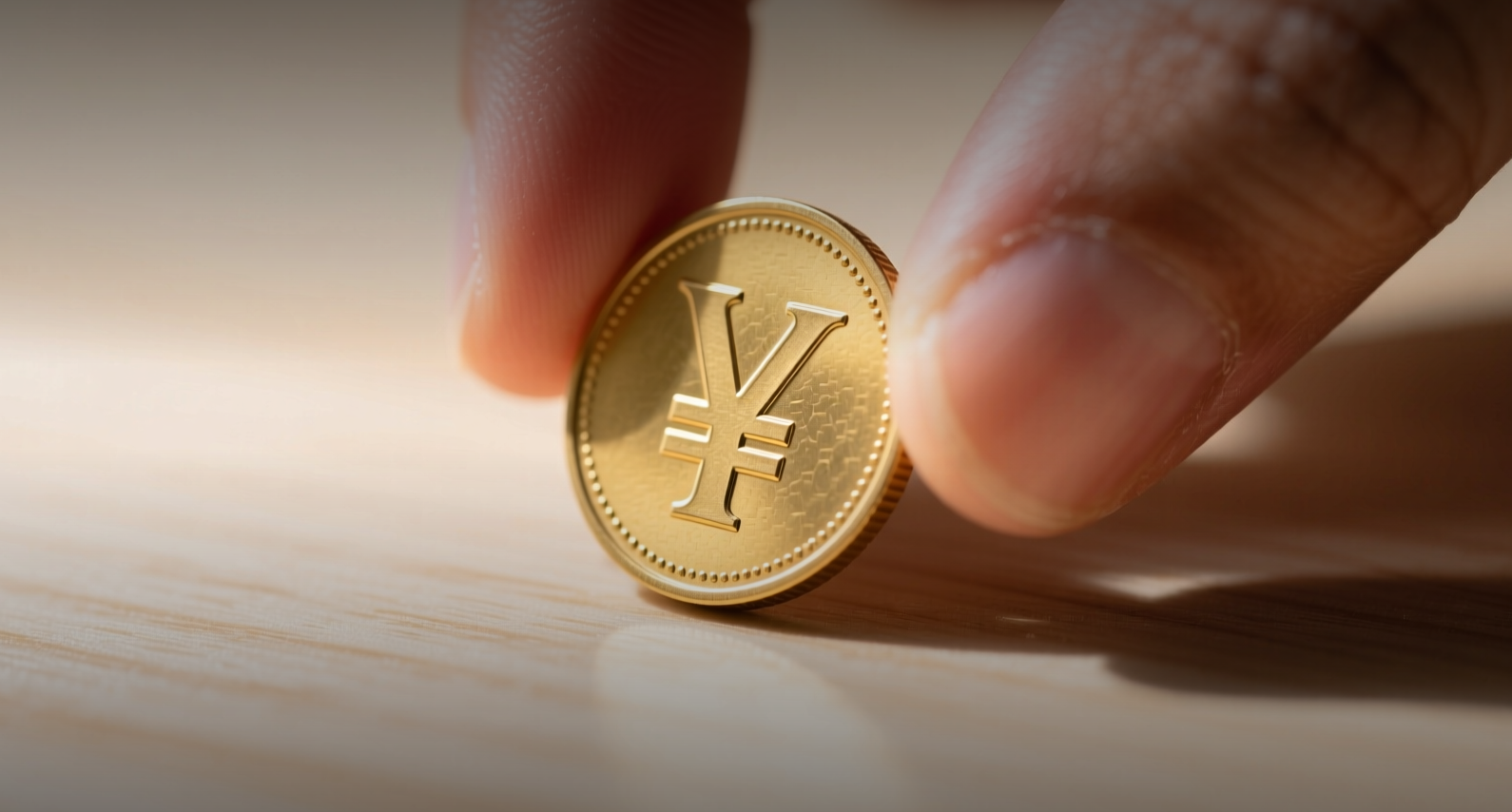
The first US-Japan coordinated yen-buying intervention since 1998 lifted the yen from 163.73 to 157.57 per dollar, after Tokyo spent $58.97 billion in a move analysts say protects the Treasury market.
"There's an element of self-preservation here," said Louise Loo, head of Asia economics at Oxford Economics. "If Japan were to take potentially aggressive fiscal policy action that caused market turmoil, it could spill over into the US Treasury market and destabilize the dollar."
The operation unfolded across Thursday and Friday New York trading hours. Bank of Japan data suggests Tokyo sold as much as $58.97 billion on Thursday alone, while Bloomberg estimates put the total at 8.45 trillion yen ($53.7 billion) — Japan's largest single-day intervention on record. The New York Fed executed the US portion through Goldman Sachs and Morgan Stanley, reportedly selling euros to buy yen. Treasury Secretary Scott Bessent's notepad at a Friday cabinet meeting read "Buy Japanese Yen (JPY) $5-10 bil."
The coordinated action reflects Washington's concern that Japan, the largest foreign holder of US Treasuries, could be forced to sell its bond holdings to fund further intervention — a move that would push up long-end yields at a time when the 10-year Treasury yield has already risen roughly 57 basis points this year. Japan's Finance Ministry has indicated it can tap the Fed's FIMA repurchase facility for dollar liquidity without selling Treasuries outright.
Japan's Finance Minister Satsuki Katayama is expected to formally announce the joint action Monday, with officials stressing the two countries' determination to combat what they consider excessive yen declines. The yen had fallen to its weakest level since 1986 before the intervention, pressured by a widening rate differential as the Federal Reserve shifted hawkish while the Bank of Japan kept its benchmark rate at 1 percent — the highest since 1995 but still well below the US federal funds target range's upper end of 3.75 percent.
The BOJ voted 8-1 on Friday to hold rates steady while indicating a strong chance of a hike soon. Governor Kazuo Ueda said underlying inflation was moving closer to the central bank's 2 percent target, and derivatives markets now price roughly 40 percent odds of a quarter-point increase in September, up from about 30 percent at the start of the week.
The Treasury Connection
Analysts see the US participation as driven primarily by Treasury market stability concerns. Japan holds the largest foreign stash of US government debt, and a unilateral intervention funded by selling those holdings could trigger a selloff in US debt and spike borrowing costs.
"Highlighting the FIMA repo facility's availability tells the market Japan can obtain dollar liquidity without selling US Treasuries," said Masahiko Loo, senior macro strategist at State Street. "It eliminates the concern that MOF intervention through short-term Treasury sales could pressure US funding markets."
The FIMA facility, introduced in 2020 during the pandemic, allows foreign central banks to pledge Treasuries as collateral for dollar liquidity. Japan's rare English-language post on X emphasizing access to the tool was read by analysts as a deliberate message to markets.
Durability Questions
Despite the unprecedented coordination, analysts question whether intervention alone can reverse the yen's structural decline. Robin Brooks, senior fellow at the Brookings Institution, criticized the US decision to sell euros rather than dollars to fund the yen purchases, calling the operation "very strange" and saying it "raises more questions than answers."
"Intervention might influence the next few months, but the BOJ's monetary policy normalization and hedging flows will determine the next few years," Masahiko Loo said.
The yen's weakness stems from Japan's bond market dynamics, Brooks argued. While the BOJ formally ended yield curve control in March 2024, it continues large-scale JGB purchases that keep borrowing costs below free-market levels, sustaining downward pressure on the currency.
Vishnu Varathan, head of macro research at Mizuho Securities, said US participation "multiplies" the intervention's effectiveness because markets now have reason to believe authorities are prepared to act again. Both governments have warned they "won't hesitate" to intervene further.
Michiyoshi Kato, senior adviser at Sumitomo Mitsui Trust Bank, said additional intervention could push the dollar below 155 yen. But Evercore ISI strategists Marco Casiraghi and Lu Gang cautioned that FX intervention without interest rate support would likely have a relatively short-lived effect.
The yen's fundamental strengthening requires tighter monetary policy, not repeated market intervention, Louise Loo said. The coordinated action buys the BOJ time to resume rate hikes later this year, she added, while Japan's Economy Minister Minoru Kiuchi pledged enhanced government communication with markets to maintain trust in fiscal sustainability.
This article is for informational purposes only and does not constitute investment advice.
