US consumer confidence fell to its lowest in seven months in August, with a deteriorating short-term outlook outweighing improved views of current conditions.
US consumer confidence slipped to 89.4 in August, its lowest in seven months, as elevated gasoline prices and a souring outlook for business and labor conditions offset an improved assessment of the present. The Conference Board's index fell 0.8 points from a revised 90.2 in July, missing the 90.2 consensus forecast from economists polled by The Wall Street Journal.
"Consumer confidence moderated slightly in August for a second consecutive month," Dana M Peterson, chief economist at The Conference Board, said. "The Expectations Index slipped further into negative territory, which was offset by a moderate rise in the Present Situation Index after declining in the past three months."
The Present Situation Index rose 6.8 points to 121.2, while the Expectations Index fell 5.8 points to 68.2. Consumers' views of the current labor market improved, with 27 percent saying jobs were plentiful, up from 24.4 percent in July, and 19.5 percent saying jobs were hard to get, down from 21.7 percent. The forward-looking picture darkened, however: just 14.6 percent expected more jobs to be available over the next six months, down from 16.4 percent, while expectations for household income and business conditions also deteriorated.
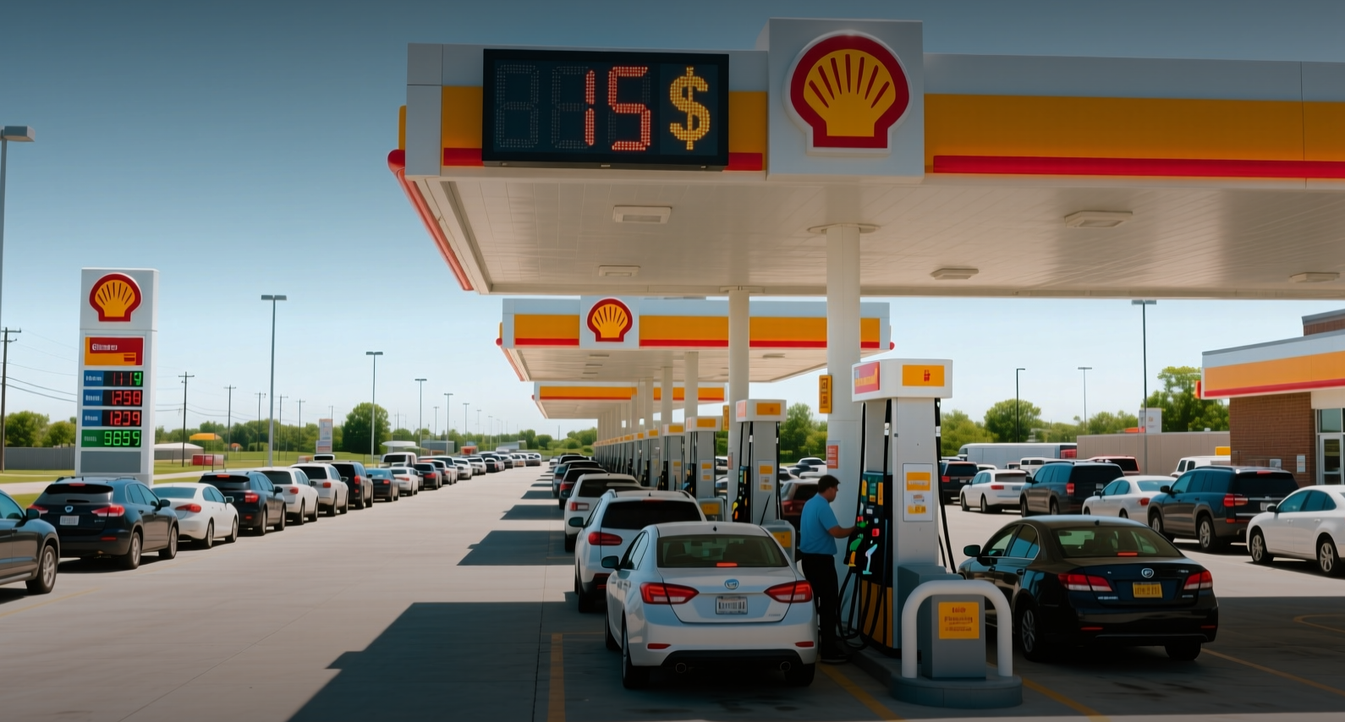
The decline carries political weight with midterm elections less than 70 days away. Gasoline prices above $4 a gallon, driven by the conflict in Iran that began Feb. 28, have kept inflation elevated — the Fed's preferred personal consumption expenditures gauge rose 3.7 percent in June from a year earlier, up from 2.8 percent before the war began and above the 2.5 percent reading when President Donald Trump took office in January 2025. The government issues July PCE data Wednesday.
The labor market backdrop is mixed. Employers cut 23,000 jobs in July, and Labor Department revisions erased 103,000 positions from previously reported May and June payrolls. The unemployment rate fell to 4.1 percent, but for the wrong reason — thousands of people dropped out of the labor force, leaving fewer workers competing for jobs. The last time confidence sat near this level, in early 2025, readings had consistently topped 100, underscoring how far sentiment has retreated over the past year.
Consumers' write-in responses were slightly more pessimistic in August, with references to prices in general and oil and gas specifically remaining elevated, while comments about war and geopolitics, food prices, trade and jobs all rose. The survey, based on an online sample of consumers, was conducted Aug. 3-16 by Toluna for The Conference Board.
This article is for informational purposes only and does not constitute investment advice.