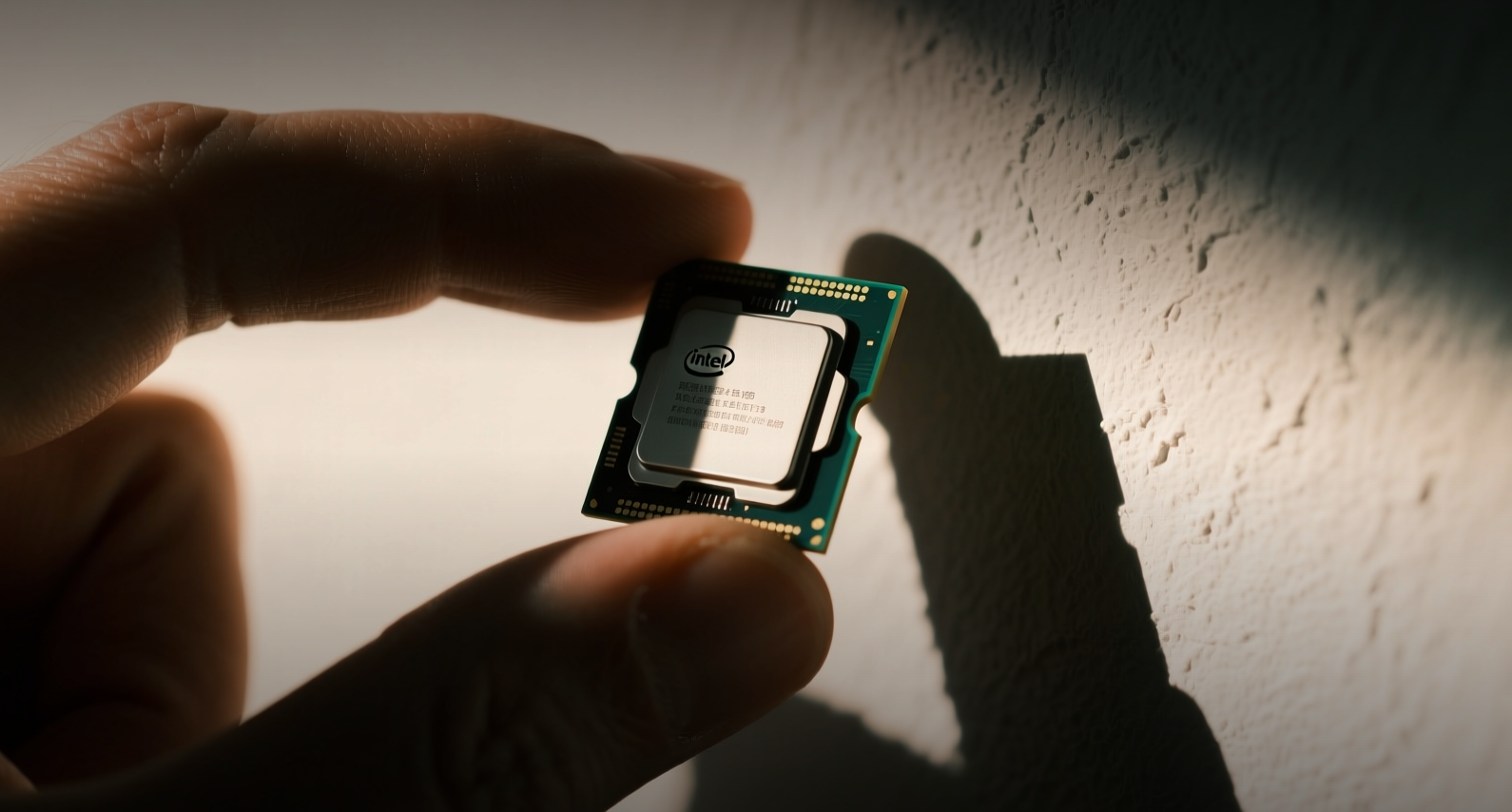
The US government's holding period for its Intel stake rests with President Trump, White House economic advisor Kevin Hassett said, as the position that generated more than $30 billion draws scrutiny from both parties.
"If socialism is government owning the means of production, wouldn't the government owning part of Intel be a step toward socialism?" Sen. Rand Paul (R-Ky.) wrote on social media, calling the investment a "terrible idea."
Trump authorized the government's investment in Intel last summer, and in April said the federal stock holdings generated more than $30 billion over several months. The administration also holds stakes in Nvidia and Nippon Steel, extending federal ownership across critical industries. Sen. Bernie Sanders (I-Vt.) has backed the approach, saying he wants similar government involvement with AI companies.
The open-ended nature of the stake creates uncertainty for Intel shareholders and the broader semiconductor sector. A government divestment could put selling pressure on Intel shares, while an extended hold would cement an unprecedented federal role in corporate ownership that has split both parties.
Comedian Bill Maher on Friday's "Real Time" accused the administration of "thuggish behavior," saying the government "basically run[s] their boardroom now." The White House's equity positions mark a departure from the US government's traditional role as a regulator and defense buyer rather than a shareholder in private companies.
A Break From Precedent
The last time the federal government took a significant equity position in a private company was during the 2008 financial crisis, when the Treasury acquired stakes in major banks including Citigroup and Bank of America as part of the $700 billion Troubled Asset Relief Program. Those positions were largely exited by 2010, with the government ultimately earning a profit on most of its bank investments.
Intel, a component of the S&P 500 and Dow Jones Industrial Average, has been working to rebuild its position in the semiconductor industry as competition intensifies with Taiwan Semiconductor Manufacturing Co. and Samsung Electronics. The government's stake was framed as part of a broader push to strengthen domestic chip manufacturing following the CHIPS and Science Act, which allocated $52.7 billion in subsidies for US semiconductor production.
The decision on how long to hold the Intel position carries implications beyond the company itself. If the government divests, it could mark the end of an interventionist industrial policy era; if it holds, it sets a precedent for federal equity ownership in strategic industries that could extend to other sectors. For investors, the uncertainty around the government's exit timeline adds another variable to Intel's already complex turnaround story, which has seen the company's shares swing on both earnings results and policy headlines since the stake was announced.
The political divide over the stake mirrors a broader debate about the federal government's role in the economy. While Sanders and some Democrats view government equity stakes as a tool to ensure domestic production of critical technologies, Paul and other Republicans argue it represents a dangerous expansion of federal power into private markets. The resolution of the Intel stake could set the tone for how future administrations approach industrial policy, particularly as the US competes with China for semiconductor supremacy.
For Intel, the government's involvement has been a double-edged sword. The federal backing provided a financial lifeline as the company struggled to compete with TSMC's manufacturing dominance and Nvidia's AI chip leadership. But the political controversy surrounding the stake has also made Intel a flashpoint in the broader debate over government intervention in markets, potentially complicating the company's relationships with customers and partners who may view the federal connection with caution.
The market's reaction to the Hassett statement will be closely watched when US markets open Monday. Intel shares have been volatile since the government stake was announced, with the stock trading in a wide range as investors weigh the benefits of federal backing against the risks of political interference. A clear timeline for the government's exit could provide some clarity, but Hassett's comments suggest no such timeline is imminent.
This article is for informational purposes only and does not constitute investment advice.