

Tesla is sidestepping China's brutal EV price war by preserving premium appeal at home while turning Shanghai into a record-setting export hub.
Tesla is sidestepping China's brutal EV price war by preserving premium appeal at home while turning Shanghai into a record-setting export hub.
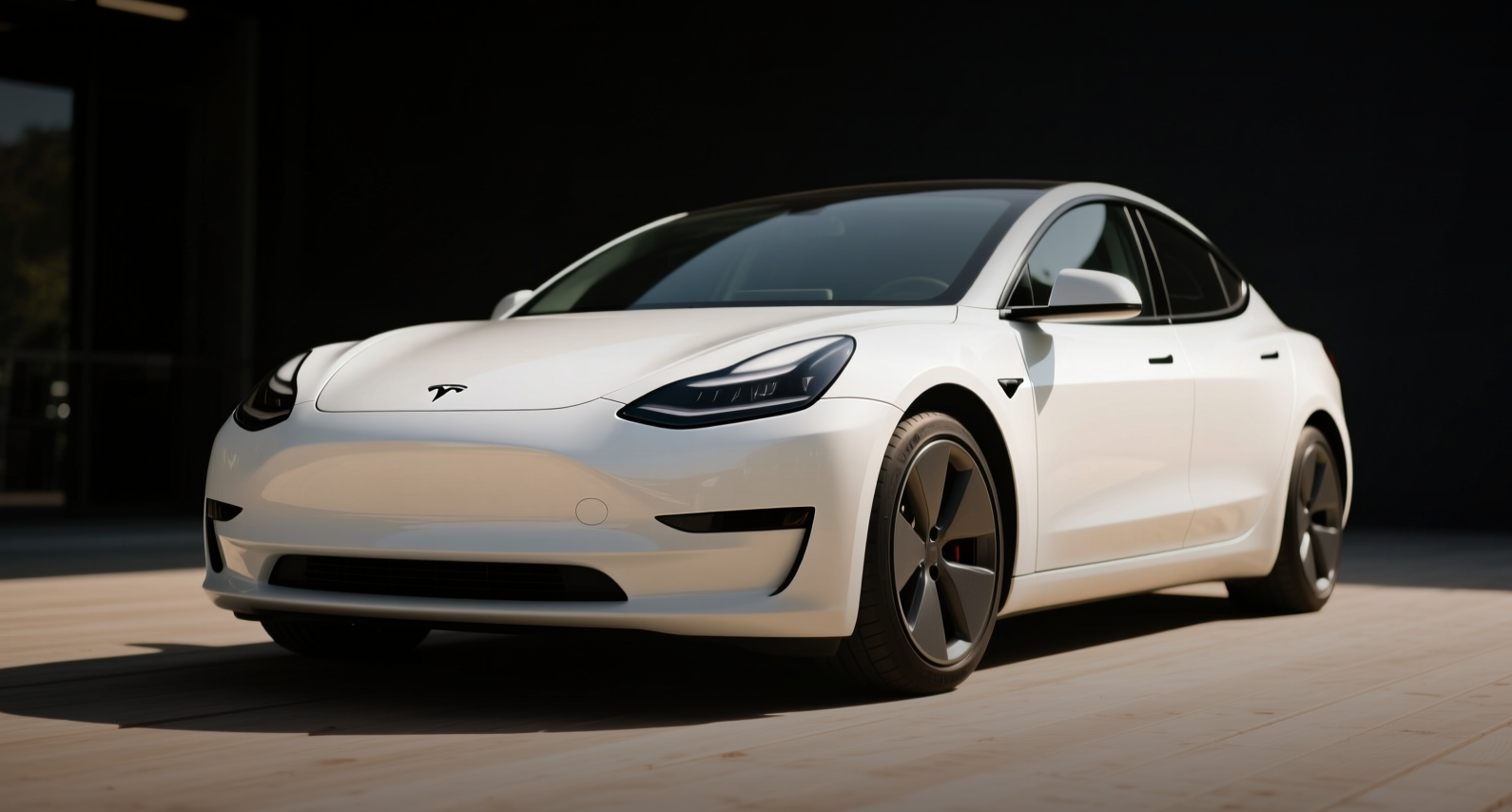
Tesla's Shanghai plant shipped 66,330 vehicles abroad in July, up 143 percent year on year, while domestic China deliveries fell 33 percent to 27,249 units — the company is winning by not fighting the price war.
Combined Shanghai output — domestic sales plus exports — rose 37.8 percent year on year to 93,579 units in July, the ninth straight month of growth, according to China Passenger Car Association data cited by CnEVPost. The export figure topped the previous monthly record of 54,504 vehicles set in October 2022.
New energy vehicles made up 65.1 percent of new passenger car sales in China in July, up from 54 percent a year earlier, per the China Passenger Car Association. EV makers are competing hard on price — a race Tesla has largely stayed out of, since it doesn't sell a budget model in China. Even BYD, China's largest automaker, isn't immune. Its domestic passenger car sales fell more than 10 percent in the first half of the year, squeezed by rivals offering similar specs for less.
The strategy carries a clear investment implication. Tesla trades at a forward price-to-sales ratio of 11.6, above the industry and its own five-year average, carrying a Value Score of F. Shares have declined 26 percent over the past year, underperforming the industry, and the stock currently carries a Zacks Rank #3 (Hold).
Shanghai shipped 295,324 vehicles abroad in the first seven months of 2026, surpassing the 226,034 units exported for all of 2025 by 30.6 percent, per CPCA data. Overseas shipments accounted for 70.9 percent of Tesla China's wholesale sales in July, the highest share since January's 73.3 percent. China's share of Tesla's global deliveries slipped below 30 percent for the first time since late 2020.
The export surge reflects Tesla's ability to capitalize on Shanghai's cost advantage across multiple markets. A trade deal between Canada and China replaced a 100 percent surtax on Chinese-built EVs with a 6.1 percent most-favored-nation tariff under a 49,000-vehicle annual quota, making Shanghai-built Model 3 sedans the cheapest Tesla vehicles offered in Canada at C$39,490. In Europe, Tesla's individually assessed countervailing duty of 7.8 percent is the lowest among all manufacturers exporting from China, far below the 35.3 percent ceiling applied to non-cooperating companies. South Korea has also emerged as a major destination, with Tesla registering 56,139 vehicles there in the first half of 2026, capturing a 30.5 percent share of the imported passenger car market.
China vehicle sales rankings over the six months through July, per Autohome data, show Geely's Xingyuan hatchback topped the charts with nearly 197,500 units — a cheap, mass-market car priced under $15,000. Tesla's Model Y was second with more than 180,000 units sold at a price of $39,050 to $46,460, roughly three times the cost of budget EVs. BYD's best-selling model, the Yuan UP, managed fifth place with about 97,700 units. Three BYD models made the top 10, but none outsold the Model Y.
Legacy foreign brands like Volkswagen and Toyota don't feature strongly in the rankings — Volkswagen's Lavida is the lone gasoline holdout in the top 10. Chinese buyers have stopped paying a premium for brands that no longer carry premium status. Tesla is the exception, benefiting from strong brand perception in EVs that few other companies carry.
Tesla could be at risk if its brand image in China starts to fade. Volkswagen and Toyota didn't lose ground in China because their cars got worse but because Chinese consumers decided those brands weren't worth paying extra for. As long as Chinese buyers see Tesla as worth paying up for, it doesn't need to win China's price war — it just needs to stay above it.
This article is for informational purposes only and does not constitute investment advice.
