

Key Takeaways: Tesla's Shanghai plant shipped a record 66,330 vehicles abroad in July, masking a 33% drop in domestic China deliveries as the company leans on exports.
Key Takeaways: Tesla's Shanghai plant shipped a record 66,330 vehicles abroad in July, masking a 33% drop in domestic China deliveries as the company leans on exports.
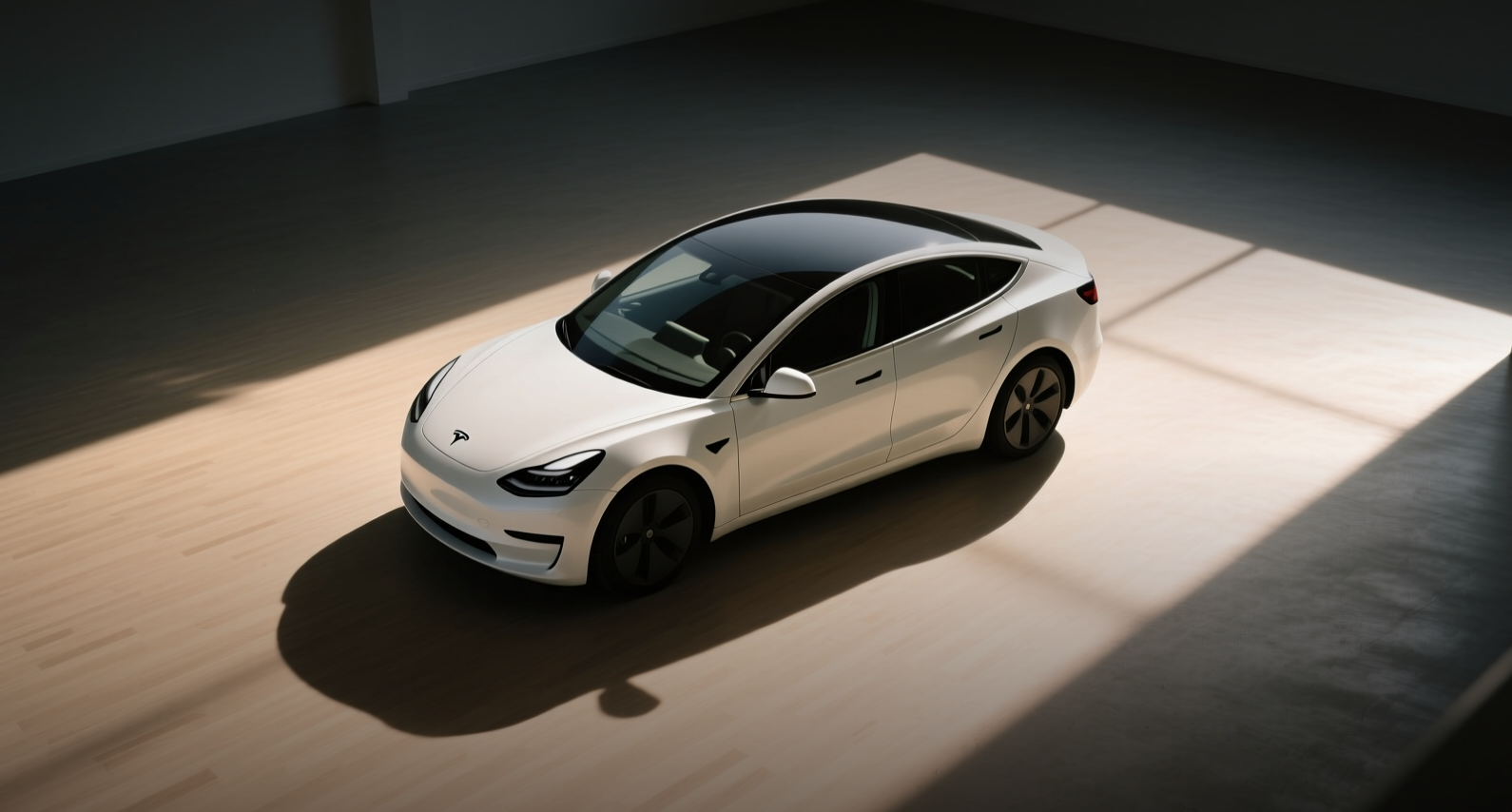
Tesla's Shanghai plant shipped a record 66,330 vehicles abroad in July, masking a 33% drop in domestic China deliveries as the company leans on exports.
Tesla's China wholesale sales rose 38% in July to 93,579 vehicles, but the gain came almost entirely from record exports as domestic deliveries fell 33% in the world's largest EV market.
The split is stark in China Passenger Car Association data. Exports from Tesla's Shanghai plant hit 66,330 units in July, up 143% from a year earlier and a monthly record, while deliveries to Chinese buyers fell to 27,249, down 33% year over year and 49% from June, according to CnEVPost calculations based on CPCA figures.
Model Y accounted for 25,158 of domestic deliveries, down 18% from a year earlier, while Model 3 sales collapsed 79% to 2,091 units. Exports accounted for 71% of Tesla China's wholesale volume in July. Over the first seven months, the Shanghai plant exported 295,324 vehicles, up 130% and already more than the 226,034 shipped in all of 2025.
The export-heavy mix shows Tesla's China operations are becoming more reliant on overseas markets even as the broader Chinese EV market holds up. Battery-electric vehicle sales in China rose 6% in July even as total passenger-car retail sales fell 21%, per CPCA data.
The record export month shows how Tesla's largest and most utilized production base, with annual capacity of about 1 million vehicles, now depends on demand outside China. Tesla delivered 27,249 vehicles domestically in July, its second consecutive month of year-over-year declines, and its share of China's new-energy vehicle retail market slipped to 2.87%, the lowest since October 2025.
The domestic weakness contrasts with Tesla's performance elsewhere. New Tesla registrations rose 55% in Europe during the first half of 2026, and Australian sales increased 88% through July, according to industry data. In the US, Tesla holds more than half the EV market after General Motors and Ford retreated from loss-making EV divisions, though overall US EV sales fell about 20% in the first half after the $7,500 federal tax credit ended in September.
Tesla's main global rival BYD had a weak July in China, failing to crack the top three sellers by units, according to The Wall Street Journal. But BYD is growing faster in Europe and now sells more units per month there, keeping pressure on Tesla's international margins.
The 100% US tariff on Chinese EVs gives Tesla a protective moat at home, where Chinese rivals such as BYD and Geely are widely considered to build comparable cars at lower cost. That shield matters as US gas prices hover just above $4 a gallon and strategic oil reserves sit at a low not seen since 1983, a combination that could push pump prices toward $5 and make EVs more attractive.
Tesla shares are down 26% this year while the S&P 500 has gained 12%, reflecting investor skepticism about CEO Elon Musk's robotaxi and AI ambitions over near-term car sales. The July data offers a mixed read: record exports support the delivery trajectory, but the 33% domestic decline shows Tesla still trails Chinese rivals in its second-largest market. Tesla produced 450,000 vehicles and delivered more than 480,000 in the second quarter.
This article is for informational purposes only and does not constitute investment advice.
