Tesla is buying the entire output of a 140-MW solar farm in Texas from a developer that also powers Meta's data centers, highlighting the automaker's growing electricity demand and its decision to purchase clean power rather than build it itself.
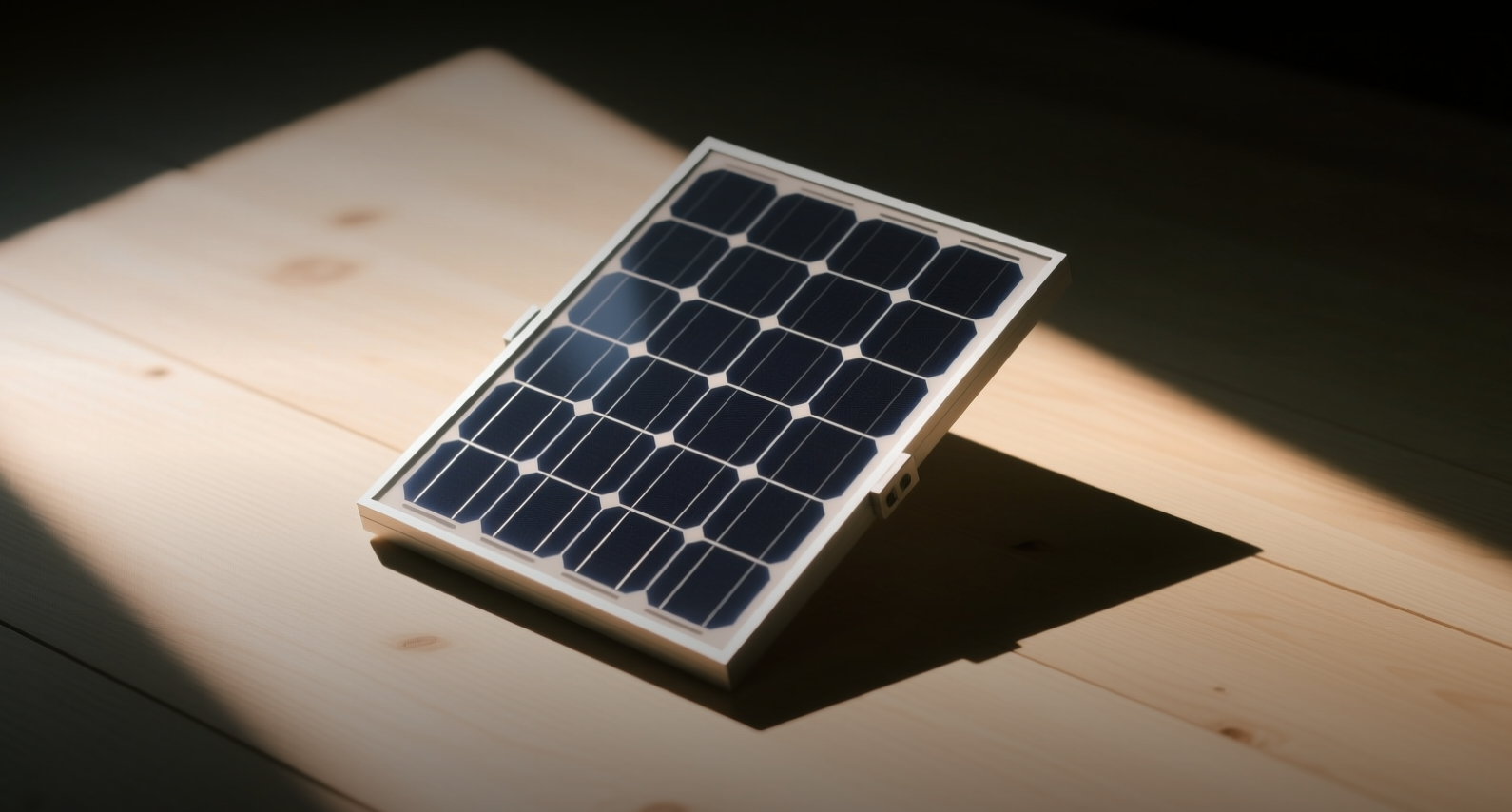
Tesla signed a long-term power purchase agreement to take all 140 MWac of capacity from Lumen Farm, a solar project being built in northeast Texas by Zelestra, an EQT-backed renewable developer. Construction is scheduled to start in 2027, with the plant reaching full operations in 2029. Neither company disclosed pricing or what the electricity will power.
"As a trusted global partner, we can deliver bespoke solutions for clients in multiple geographies," Phil North, Zelestra's US chief executive officer, said. "We are excited to expand our relationship with Tesla to the US."
The deal is the second between the two companies. In 2024, Zelestra signed a 57-MWac PPA with Tesla covering three solar plants in Spain's Castilla-La Mancha region. Zelestra, which runs a portfolio of more than 16 GW of renewable projects, was ranked by BloombergNEF among the top 10 corporate clean energy sellers globally. Its other big Texas customer is Meta, which has signed multiple solar PPAs with the developer, including the 180-MWdc Palmera project and the 176-MWdc Skull Creek plant.
Why Tesla is buying, not building
What makes the deal notable is that Tesla owns a solar business. It bought SolarCity in 2016 for $2.6 billion, sells solar panels and the Solar Roof, and manufactures the Megapack, the best-selling grid battery on the market. It is also building a 100-GW solar panel factory near Houston, in the same state where Lumen Farm will operate.
Yet to power its own Texas operations — which include Gigafactory Texas and a rapidly expanding AI compute cluster — Tesla is buying from a third party. That reflects years of neglect at the solar division after the SolarCity acquisition. Deployments fell from SolarCity's peak of roughly 870 MW a year to a fraction of that as Tesla shut down sales channels. The company has only recently begun rebuilding, bringing back solar leasing in late 2025 and launching a US-made solar panel in January.
Competition for Texas solar heats up
Tesla is now competing with hyperscale data center operators for solar capacity on the same grid. ERCOT, Texas's power market, has seen surging demand from AI computing and manufacturing, pushing developers to sign long-term contracts with corporate buyers. Zelestra locked in $600 million in green financing for a 440-MW Texas portfolio backed by its Meta contracts.
For Tesla, the PPA locks in a fixed-price clean power supply for a decade or more, insulating it from volatile ERCOT wholesale prices. The company's electricity load in Texas is only expected to grow as it expands vehicle production, adds Supercharger capacity, and scales its AI infrastructure. Tesla shares, trading at $307.45, have fallen 29.8% year to date amid broader market pressure on growth stocks.
This article is for informational purposes only and does not constitute investment advice.