

Key Takeaways:
- THUNDERBOLT achieved 87.5% successful reperfusion in ELVO stroke patients
- Median procedure time was 20 minutes with an 83% complete clot ingestion rate
- Device-related serious adverse events occurred in just 2.8% of cases
Key Takeaways:
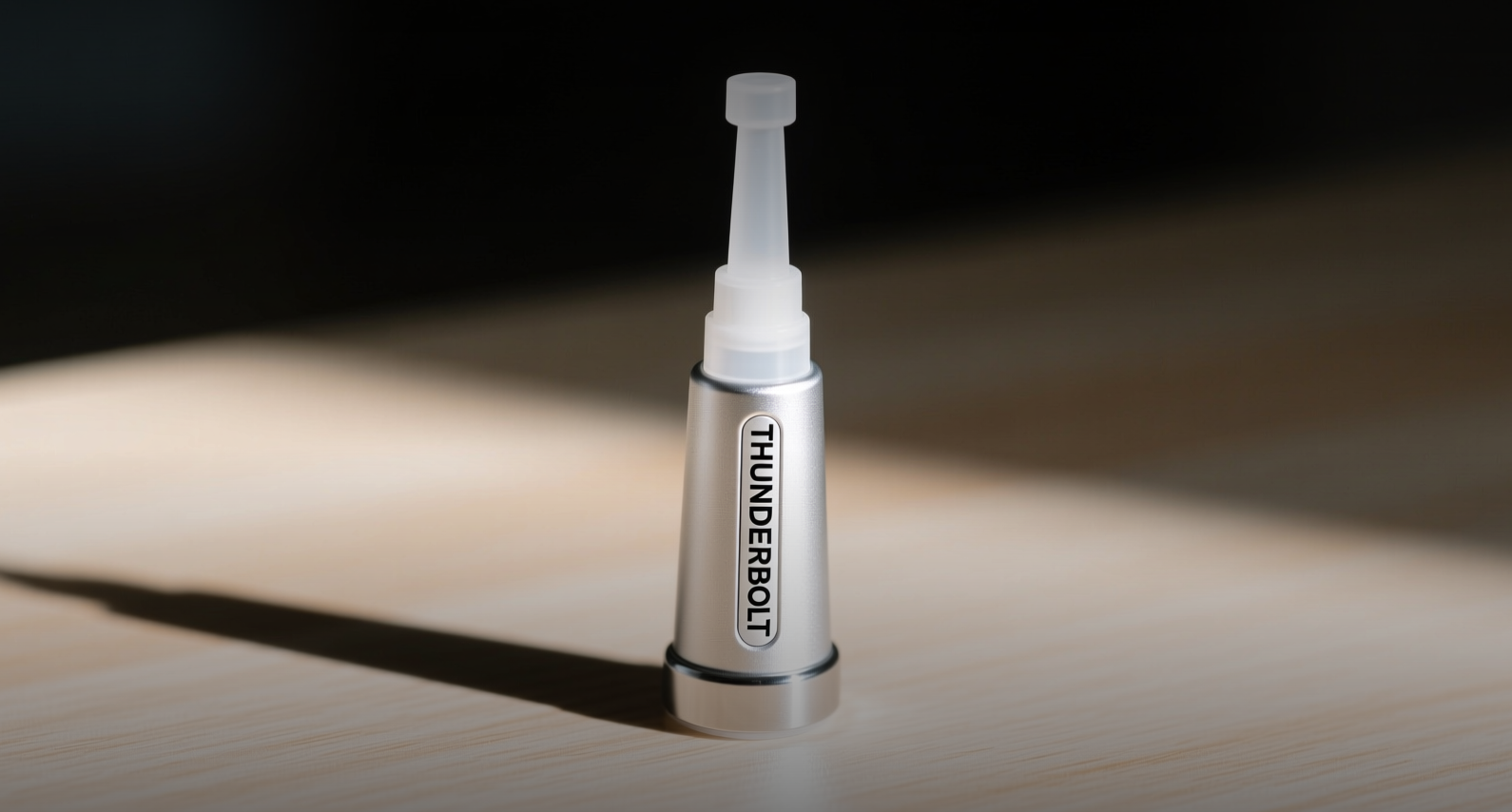
Penumbra's THUNDERBOLT computer-assisted vacuum thrombectomy system achieved an 87.5% successful reperfusion rate in a 216-patient study, with a 20-minute median procedure time and a 2.8% serious adverse event rate, the company said July 22.
"Current technologies may not fatigue and completely ingest the clot quickly or effectively at the site of the occlusion," Donald Frei, M.D., co-principal investigator and neurointerventional radiologist at Swedish Medical Center in Denver, said. "The THUNDER study demonstrated a high rate of complete clot ingestion with THUNDERBOLT, along with a low rate of complications."
The THUNDER Investigational Device Exemption study, presented at the Society of NeuroInterventional Surgery 23rd Annual Meeting, enrolled 216 patients across 29 U.S. centers. After treatment with THUNDERBOLT, 70.4% of cases achieved mTICI 2c-3 reperfusion — a grade associated with better functional recovery and lower complication rates. First-pass mTICI 2b-3 was 64.8%, and the complete clot ingestion rate reached 83%. Symptomatic intracranial hemorrhage occurred in 0.9% of patients, while all-cause mortality at 90 days was 11.7%, a rate the company described as comparatively low against other thrombectomy therapies.
Acute ischemic stroke accounts for about 87% of all strokes globally, affecting an estimated 68 million people, with 20% to 42% of cases caused by emergent large vessel occlusion. THUNDERBOLT, which recently received US FDA clearance and CE Mark, introduces modulated aspiration technology designed to detect, fatigue, and ingest clots at the occlusion site. Penumbra, the world's leading thrombectomy company, is in the process of being acquired by Boston Scientific Corp.
How THUNDERBOLT Works
THUNDERBOLT is the first and only computer-assisted vacuum thrombectomy device for stroke. Its modulated aspiration technology uses standard-sized aspiration thrombectomy catheters to deliver consistent and complete clot removal, according to David Fiorella, M.D., Ph.D., co-principal investigator and director of the Cerebrovascular Center at Stony Brook University Hospital. "Through this study, our early experience with THUNDERBOLT suggests that this technology could significantly advance treatment for stroke patients," Fiorella said.
Competitive Positioning and Market Impact
Mechanical thrombectomy is considered the frontline treatment for acute ischemic stroke, but existing devices often struggle to fully ingest clots in a single pass. THUNDERBOLT's 83% complete clot ingestion rate and 64.8% first-pass success rate address this limitation. The device's 20-minute median revascularization time compares favorably to longer procedure times associated with stent retriever-based approaches from competitors such as Stryker Corp. and Johnson & Johnson's Cerenovus unit.
Penumbra shares, which trade on the New York Stock Exchange under ticker PEN, are subject to the pending acquisition by Boston Scientific. The THUNDER study data strengthens Penumbra's clinical evidence base ahead of the deal's closing and could support broader adoption of the CAVT platform across the company's neurovascular portfolio.
This article is for informational purposes only and does not constitute investment advice.
