Novo Nordisk launched Awiqli, the first once-weekly basal insulin, in India on Thursday, priced at about ₹3.5 per unit.
"People perceive insulin as the last resort because they associate it with multiple injections every day," Vikrant Shrotriya, managing director of Novo Nordisk India, said. "With once-weekly basal insulin, we have an opportunity to change that perception."
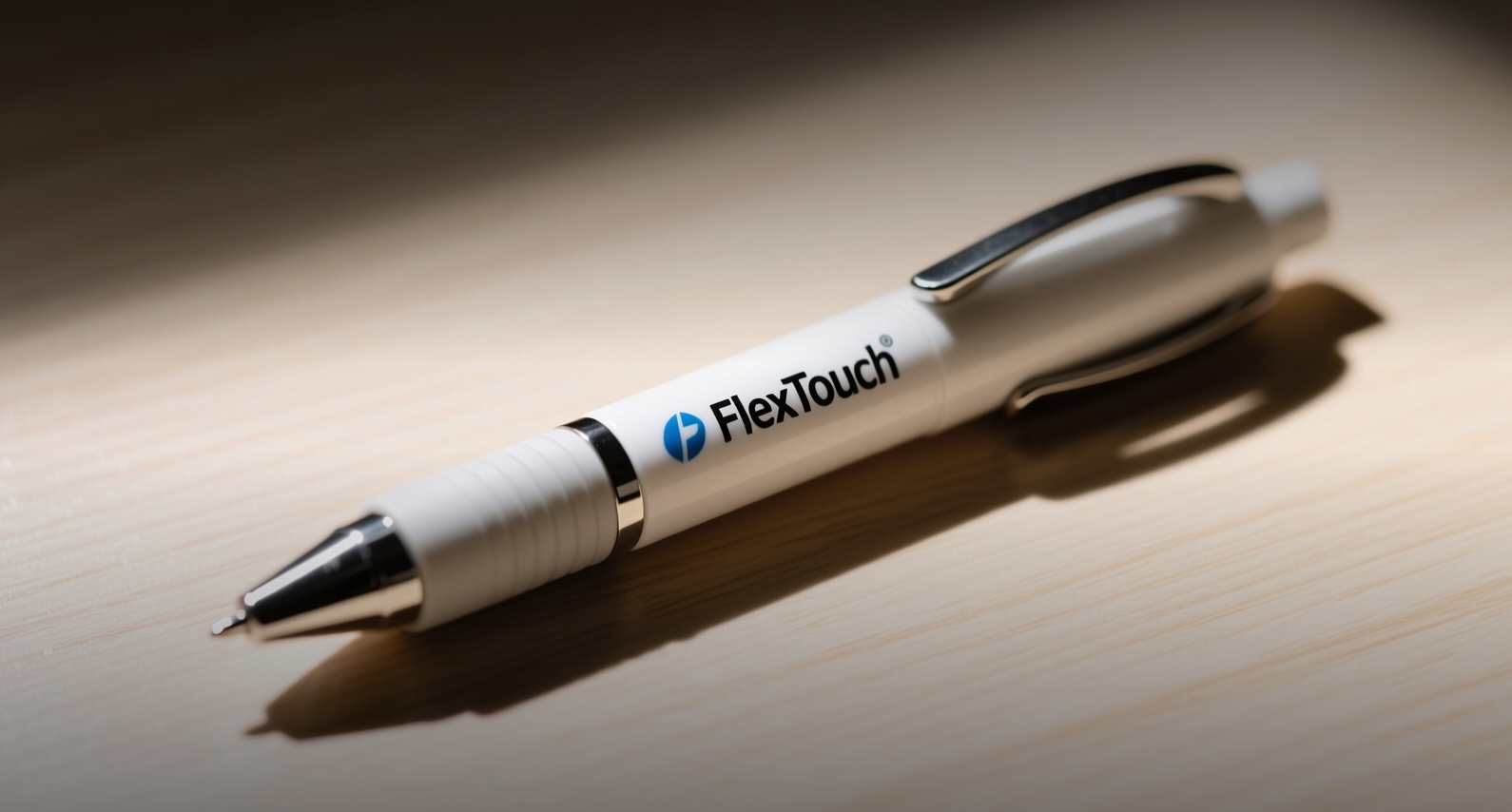
The drug, known generically as insulin icodec, costs ₹2,611 for a 700-unit FlexTouch pen, replacing as many as 365 annual injections with 52. India approved Awiqli for adults with both Type 1 and Type 2 diabetes, a broader label than in the US where it is only cleared for Type 2. The pricing is 20% to 25% lower than existing analogue basal insulin therapies, according to the company.
India is home to more than 100 million people with diabetes and another 130 million with prediabetes, making it one of the largest markets for the Danish drugmaker. The once-weekly formulation addresses a key barrier to insulin adoption: patient reluctance tied to daily injections. Shrotriya said that by the time many patients begin insulin therapy, close to half of the beta cells that would have secreted the hormone naturally are already lost.
The modified insulin molecule, created by altering three amino acid positions and attaching a fatty acid chain, binds reversibly to albumin in the blood and releases slowly over days, extending its effective half-life beyond 190 hours, Shrotriya said.
In the ONWARDS clinical program, six Phase 3a trials involving more than 4,000 patients globally, Awiqli showed superior HbA1c reduction and improved time in range compared with once-daily glargine U100. More patients with Type 2 diabetes reached an HbA1c below 7% without hypoglycemia. The drug carried a higher risk of hypoglycemia in Type 1 diabetes patients, a factor that contributed to the narrower US approval.
Dr. Rajiv Kovil, a leading diabetologist, said that while existing insulin analogues focused on smoother pharmacokinetics and lower hypoglycemia, insulin icodec changes "something far more fundamental — the frequency of insulin administration."
India's diabetes burden is rising rapidly. Data from the National Family Health Survey shows 20.9% of men and 17.8% of women now have high blood sugar or are on medication, up from 15.6% and 13.5% respectively in the prior survey period.
The launch positions Novo Nordisk to capture a larger share of India's insulin market by lowering the initiation barrier for patients who delay therapy. The company has also filed for approval of an oral GLP-1 formulation in India and is developing treatments for obesity, growth hormone deficiency and sickle cell disease, Shrotriya said.
This article is for informational purposes only and does not constitute investment advice.