

Fiscal expansion is reshaping Japan's monetary policy path, pushing the Bank of Japan toward a faster pace of rate increases.
Fiscal expansion is reshaping Japan's monetary policy path, pushing the Bank of Japan toward a faster pace of rate increases.
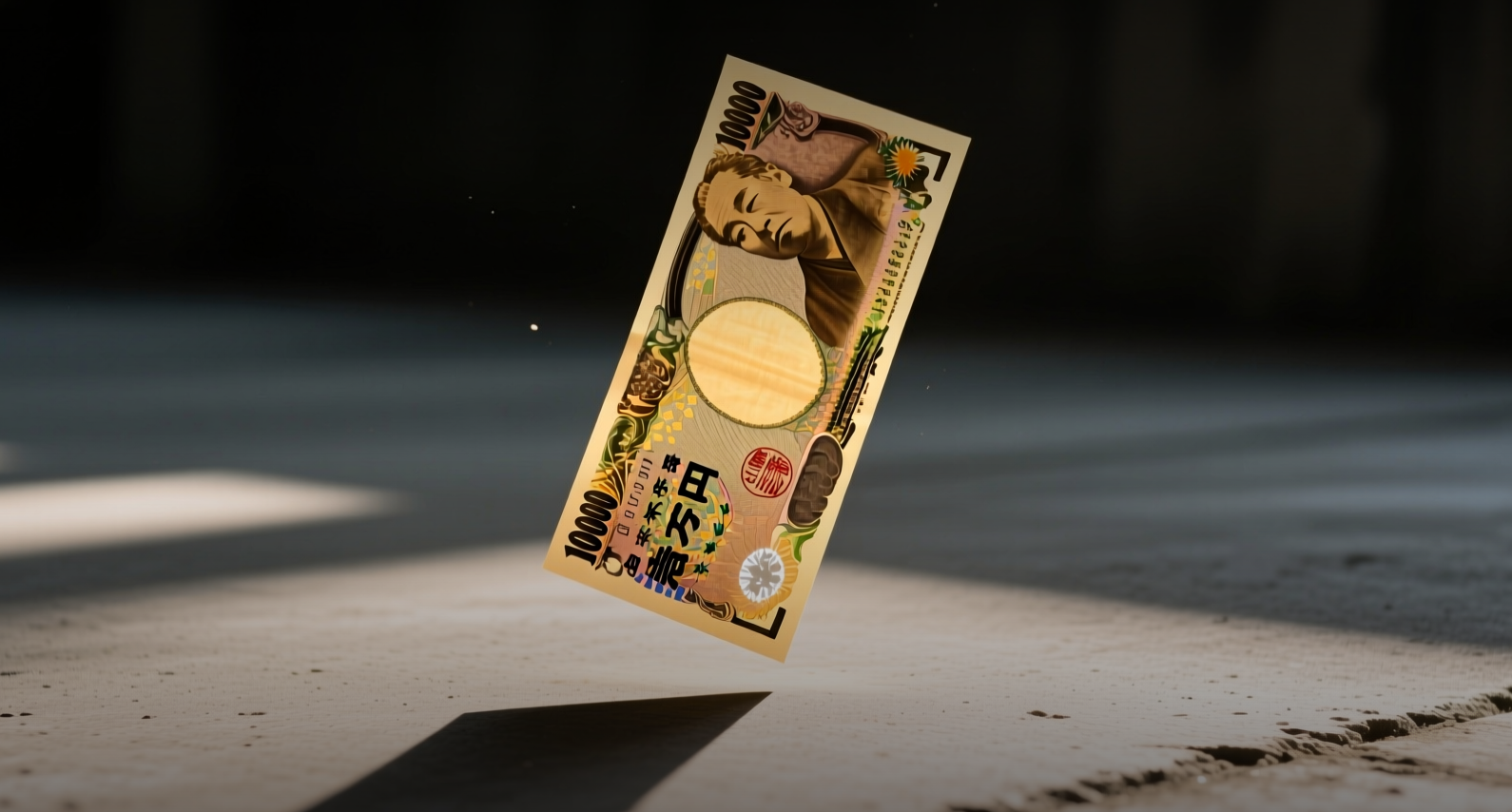
JPMorgan lifted its 2027 Bank of Japan rate-hike forecast to three from two, projecting the policy rate to reach 2% by end-2027 as fiscal expansion adds tightening pressure.
The government's push for tax cuts and broader fiscal support will lift demand and inflation risk, forcing the central bank to accelerate normalization, JPMorgan said in an Aug. 7 report. The bank still sees an October hike as its base case even as the probability of a September move has risen.
The BOJ raised its policy rate from negative 0.1% in April 2024 to 1.0% in June 2026, holding steady at its July 31 meeting. The 10-year government bond yield has climbed from about 0.2% in early 2022 to 2.7% in July 2026, while the yen weakened from roughly 110 per dollar in early 2022 to nearly 160 in mid-2024 before a rare coordinated U.S.-Japan intervention.
The stakes are whether the BOJ abandons its gradual approach. If it hikes in September after June, markets would quickly price a December move, forcing the central bank to give up the measured pace it has stressed. U.S. economic data, dollar moves and their effect on the yen over coming weeks will decide whether the BOJ acts in September or October.
JPMorgan acknowledged the September risk has risen after the central bank signaled it could move as soon as next month. Board members are scheduled to speak before the Sept. policy meeting, and U.S. Treasury Secretary Scott Bessent's comments have fueled expectations of a hike.
But the bank kept October as its base case. A September hike would prompt markets to bet on December as well, forcing the BOJ to abandon the gradual pace it has emphasized — a scenario policymakers want to avoid. Minutes from the June meeting showed growing debate over the pace of tightening, with some members favoring faster hikes as inflation pressures stay resilient.
The bigger shift is in the medium-term path. JPMorgan now expects hikes in March, July and December 2027, up from April and October, with the policy rate reaching 2% by end-2027.
Prime Minister Sanae Takaichi's plan to cut the consumption tax on food to 1% from 8% for two years from April 2027, without a settled funding source, adds to the pressure. Japan's public debt exceeds 200% of GDP, the highest among advanced economies, and the BOJ is reducing monthly bond purchases from about 5.7 trillion yen in mid-2024 to roughly 2 trillion yen by 2027, leaving private investors to absorb more issuance. With fiscal expansion, global inflation and yen depreciation risk all present, the BOJ will have to speed up normalization to keep inflation expectations anchored, JPMorgan said.
The tax cut carries clear electoral appeal, and domestic political pressure to slow rate increases persists, which could keep the BOJ behind the inflation curve. If monetary policy lags for too long, catch-up hikes to contain inflation could push the terminal rate above the current 2% forecast. Former BOJ official Tsutomu Watanabe has said the central bank could shift to an aggressive inflation-fighting stance as early as December, accelerating hikes to quarterly intervals.
For markets, the interaction between Japanese rates, the yen and fiscal policy will remain the core variable driving Japanese asset performance in coming months. Morningstar DBRS, which rates Japan A high with a stable outlook, said higher yields are manageable given the country's long debt maturity and deep domestic investor base, though the key question is whether nominal growth stays above borrowing costs. A stronger yen from earlier-than-expected tightening has already weighed on exporters, with the Nikkei falling more than 2% in a single session.
This article is for informational purposes only and does not constitute investment advice.
