


Key Takeaways:
- Wall Street analysts are shifting preference toward Ford over General Motors
- Ford shares have gained 18% year to date, outpacing GM's 9% advance
- Ford's F-Series and Ford Pro commercial unit are driving margin outperformance
Key Takeaways:
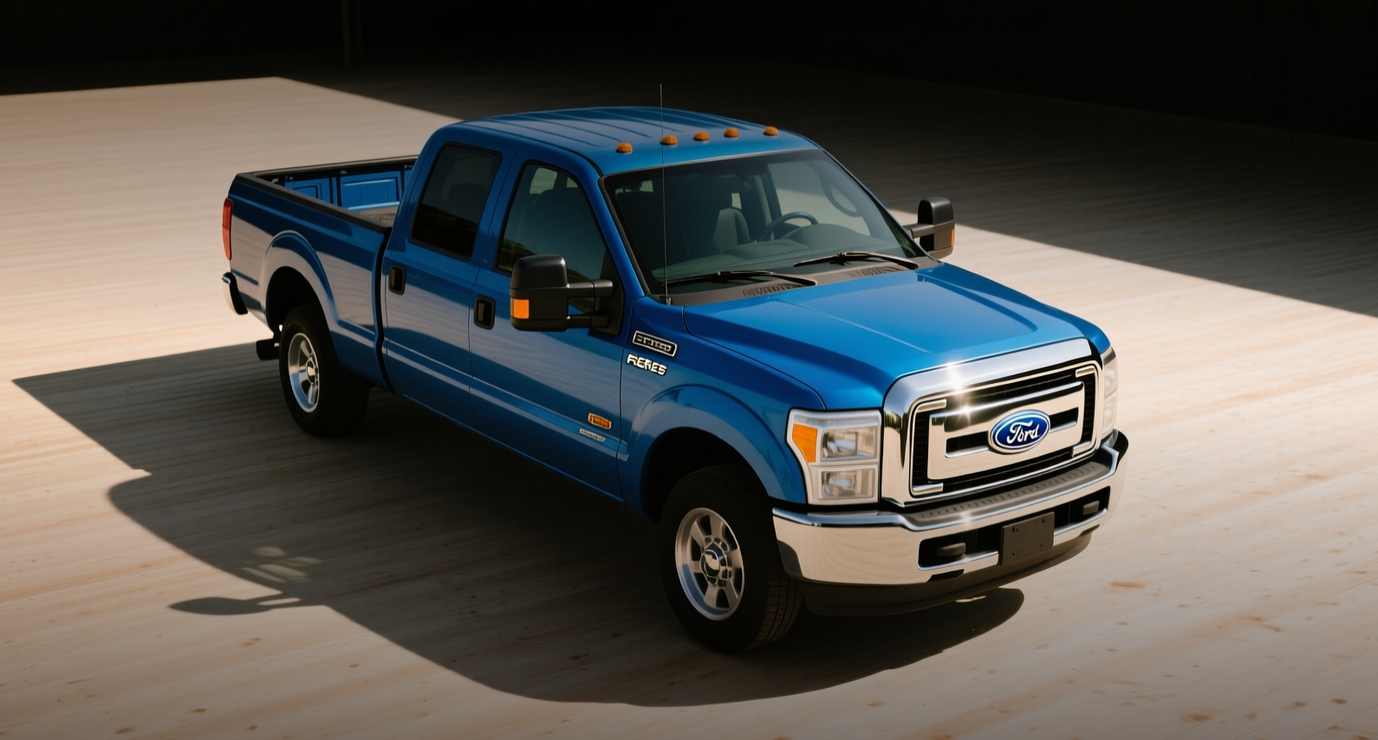
Wall Street is shifting its preference toward Ford Motor Co. as the automaker's bet on large trucks and SUVs delivers returns that are outpacing rival General Motors Co., according to multiple analysts.
"Ford's product cycle in full-size trucks is the strongest it has been in years, and the margin profile reflects that," Adam Jonas, analyst at Morgan Stanley, said in a note. Jonas has long been one of Wall Street's most closely watched auto analysts.
Ford shares have gained roughly 18% year to date, outperforming GM's 9% advance over the same period. The divergence comes as Ford's F-Series lineup — its most profitable product line — continues to command pricing power even as inventory levels normalize across the industry. Ford reported automotive revenue of $46.2 billion in its most recent quarter, with its Ford Pro commercial unit posting a 12% margin, well above the company's overall automotive margin.
The sentiment shift marks a reversal from the past three years, when GM commanded a valuation premium on the strength of its Cruise autonomous-driving unit and its early lead in electric-vehicle production. GM's Cruise division has since faced regulatory headwinds and operational setbacks, while Ford's decision to lean into its traditional strengths — trucks and commercial vehicles — has gained traction with investors focused on near-term profitability.
Ford trades at roughly 7.5 times forward earnings, a discount to GM's 8.2 times multiple, suggesting room for further multiple expansion if analysts continue to upgrade. At least four firms have raised their price targets on Ford over the past two months, with the consensus target implying roughly 12% upside from current levels.
The shift matters beyond the two companies. Ford's success with its truck strategy signals that consumer demand for large internal-combustion vehicles remains resilient despite the broader industry push toward electrification. Investors will watch Ford's second-half production schedules and any updates to its EV transition timeline for signs of whether the truck-led momentum can hold.
This article is for informational purposes only and does not constitute investment advice.
