
Key Takeaways: Warsh's three-economist task force will reexamine how the Fed understands inflation after more than five years above the 2 percent target.
Key Takeaways: Warsh's three-economist task force will reexamine how the Fed understands inflation after more than five years above the 2 percent target.
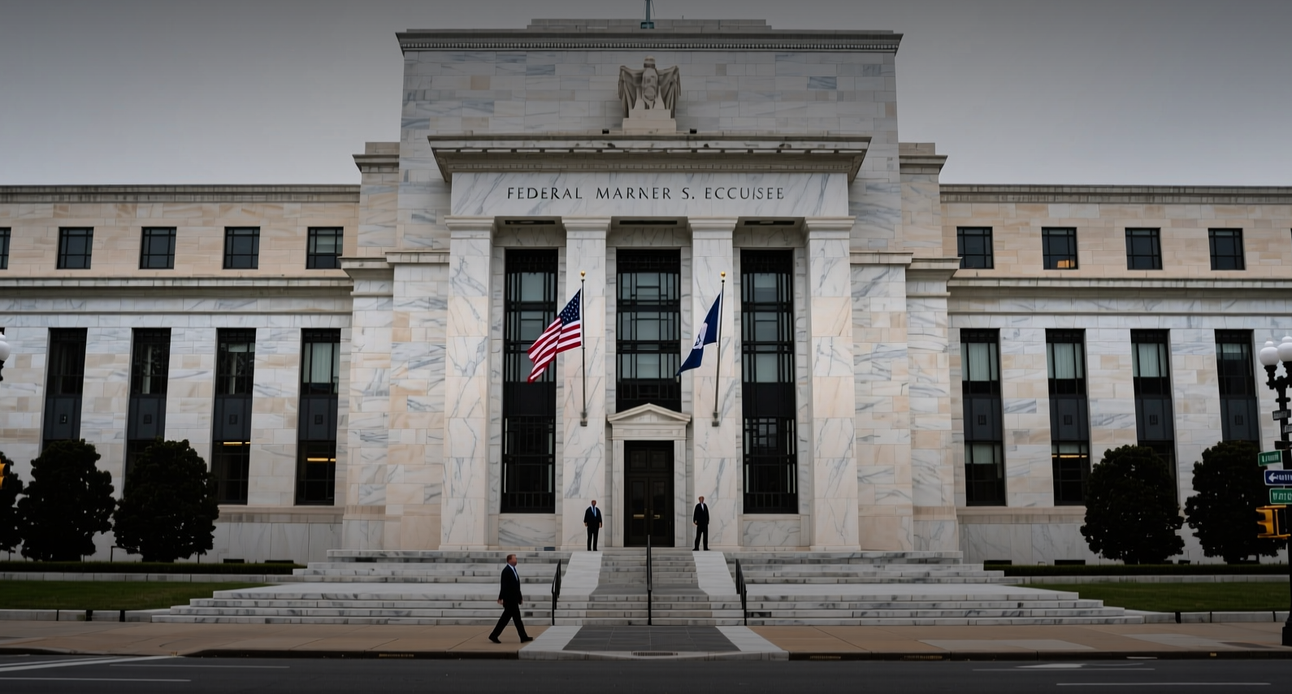
Fed Chairman Kevin Warsh convened a task force led by three economists to reexamine how the central bank understands inflation, after prices ran above the 2 percent target for more than five years.
"I have been a dissenter from orthodox monetary policy beliefs for some decades," William White, a former senior official at the Bank for International Settlements and one of the task force's three leaders, wrote in a report published in June.
The panel brings together Greg Mankiw, a Harvard professor and former chairman of the Council of Economic Advisers under George W. Bush; Thomas Sargent, a Nobel Prize-winning economist at New York University; and White, who also held senior roles at the OECD. Their past work suggests the task force may recommend that fiscal policy, financial bubble prevention and money supply tracking play a larger role in Fed thinking than they have in recent years.
The Fed said the task forces will "produce rigorous findings" for its policy committee to review, potentially by the end of the year. If the panel endorses tighter policy or a greater focus on fiscal constraints, it could signal a more hawkish Fed posture with implications for interest rates, bond yields and equity valuations.
Mankiw, perhaps the best-known member of the panel, is considered a leader of New Keynesianism, the school of thought that underpins how most central bankers think about inflation. The model holds that prices and wages adjust slowly in the real world, so government policy can still affect output and employment in the short run. But in 2024 remarks, Mankiw said he has warmed to studying the money supply — captured through aggregates such as M2 — to better understand inflation trends, noting it may have offered early hints of the 2020s inflation surge. That approach, championed in the 20th century by Milton Friedman, has fallen out of favor with the modern Fed, but Warsh has shown interest in it.
Sargent helped topple the original Keynesian model of inflation through his work on "rational expectations" — the theory that a central bank consistently keeping policy loose will find the resulting inflation already priced in, leaving prices higher without generating more employment. His research on the hyperinflation that ravaged Austria, Hungary, Poland and Germany after World War I found that stabilizing prices required systemic reforms covering both government finances and monetary policy. In what he and a co-author called "unpleasant monetarist arithmetic," Sargent showed that if markets don't believe a government will eventually raise enough taxes to pay back debt, the central bank can be powerless to stop inflation — a sobering consideration given America's surging federal debt.
White's contrarian views could push the task force toward more aggressive policy. He argues that allowing financial bubbles to form and then pop is central banking's "original sin," because the assurance that the Fed will cut rates to cushion a burst bubble encourages the bad bets that inflate bubbles in the first place. At the Fed's Jackson Hole conference in 2003, he warned that a hands-off approach could create financial imbalances vulnerable to sudden collapse — a warning that the 2008 financial crisis appeared to bear out. His guidance would likely lead to tighter monetary policy than the Fed has adopted in recent decades, with policymakers willing to "lean against credit excesses" even if it pushes inflation below target.
The ideological diversity of the panel means the task force's recommendations are far from predetermined. Mankiw's New Keynesian framework and Sargent's rational expectations school have historically been at odds, while White's financial stability focus cuts across both. For the task force to persuade the Fed's policy committee, its members may first need to persuade each other.
The stakes are high. Warsh came to the chairmanship as a harsh critic of the Fed's inflation record, and the task force's findings could reshape how the central bank responds to future price surges. If the panel recommends a greater role for fiscal policy awareness or money supply tracking, it would mark a significant departure from the framework that has guided Fed policy for decades. The findings, expected by the end of the year, will be reviewed by the Federal Open Market Committee.
This article is for informational purposes only and does not constitute investment advice.
