
August PMI surveys across the eurozone, Japan and India point to a pickup in activity that could keep the global economy from slowing in the third quarter.
August PMI surveys across the eurozone, Japan and India point to a pickup in activity that could keep the global economy from slowing in the third quarter.
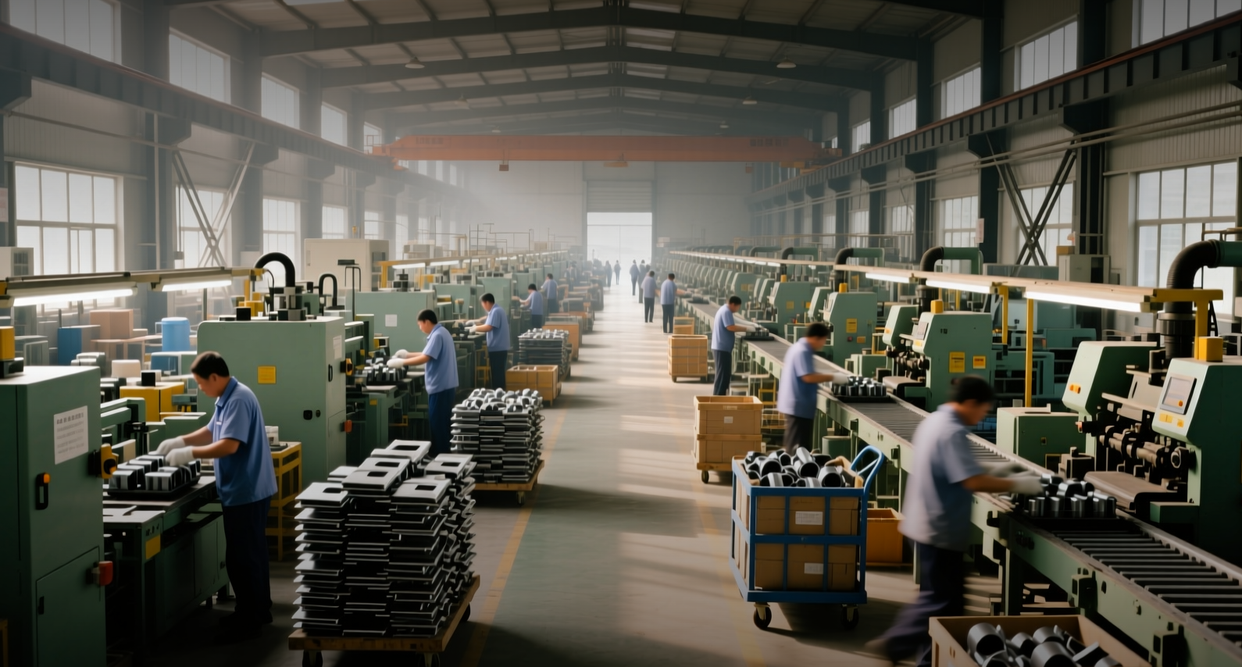
Eurozone business activity expanded for a ninth straight month in August as manufacturing posted its strongest growth in four years, while Japan's factory PMI climbed to 55.1, its highest since early 2018.
"The manufacturing sector is the star performer again, enjoying its strongest growth in four and a half years," said Chris Williamson, chief business economist at S&P Global Market Intelligence.
The seasonally adjusted S&P Global flash eurozone composite purchasing managers' index ticked up to 52.1 in August from 52.0 in July, a nine-month high. The manufacturing PMI rose to 52.8 from 51.9, beating the 51.8 consensus, as the output index reached 53.4, a 54-month high. Services held steady at 51.7. In Japan, the manufacturing PMI climbed to 55.1 from 54.5, an eighth straight month of expansion, with new orders rising at their fastest pace since January 2018 on demand from semiconductor and AI-related industries. Services rose to 52.3 from 51.2, lifting the composite to 53.4, its highest since February.
Williamson said the sustained rise sets the eurozone up for a solid increase in third-quarter gross domestic product of around 0.3 percent. The pickup across the three economies suggests the global economy might avoid a further modest slowdown in the third quarter, though eurozone input cost inflation eased to its weakest since February but remained above pre-war levels.
Companies in the eurozone added to workforce numbers in August, the first employment increase in 2026, as total inflows of new business received support from a renewed expansion of new export orders. The rate of input cost inflation eased to the weakest level since February but remained sharp and above the rates seen before the outbreak of war in the Middle East.
In Japan, employment growth was led by manufacturers, and input buying expanded. Cost pressures eased from June's near-record pace, with overall input inflation across the private sector slowing to a five-month low. Despite this, selling prices for goods and services rose at one of the steepest rates on record. Business confidence improved to its highest since February, with manufacturers more optimistic than services companies.
The last time Japan's manufacturing PMI held above 55 was in early 2018, when a global synchronized upswing was peaking before trade tensions and a manufacturing downturn set in. The current reading, driven by semiconductor and AI-related demand, comes as Japan's economy slowed in the second quarter, a soft reading investors largely dismissed as reflecting one-off factors.
For the eurozone, the manufacturing strength marks a sharp reversal from the contraction that gripped the sector through much of 2023 and 2024, when the composite index repeatedly sat below the 50 expansion threshold. The services sector, by contrast, has held above 50 for an extended stretch, keeping the overall economy in growth territory even as factories struggled.
The data carries implications for monetary policy. A sustained pickup in activity could reduce pressure on the European Central Bank to ease further, while Japan's improving momentum supports the Bank of Japan's gradual path toward normalizing policy. Markets will watch the final PMI readings and next month's surveys for confirmation that the third-quarter acceleration is durable.
This article is for informational purposes only and does not constitute investment advice.
