

Dell Technologies has emerged as one of the biggest beneficiaries of the AI infrastructure buildout, with its AI-optimized server backlog swelling as enterprises and governments race to deploy Nvidia-powered data centers.
Dell Technologies has emerged as one of the biggest beneficiaries of the AI infrastructure buildout, with its AI-optimized server backlog swelling as enterprises and governments race to deploy Nvidia-powered data centers.
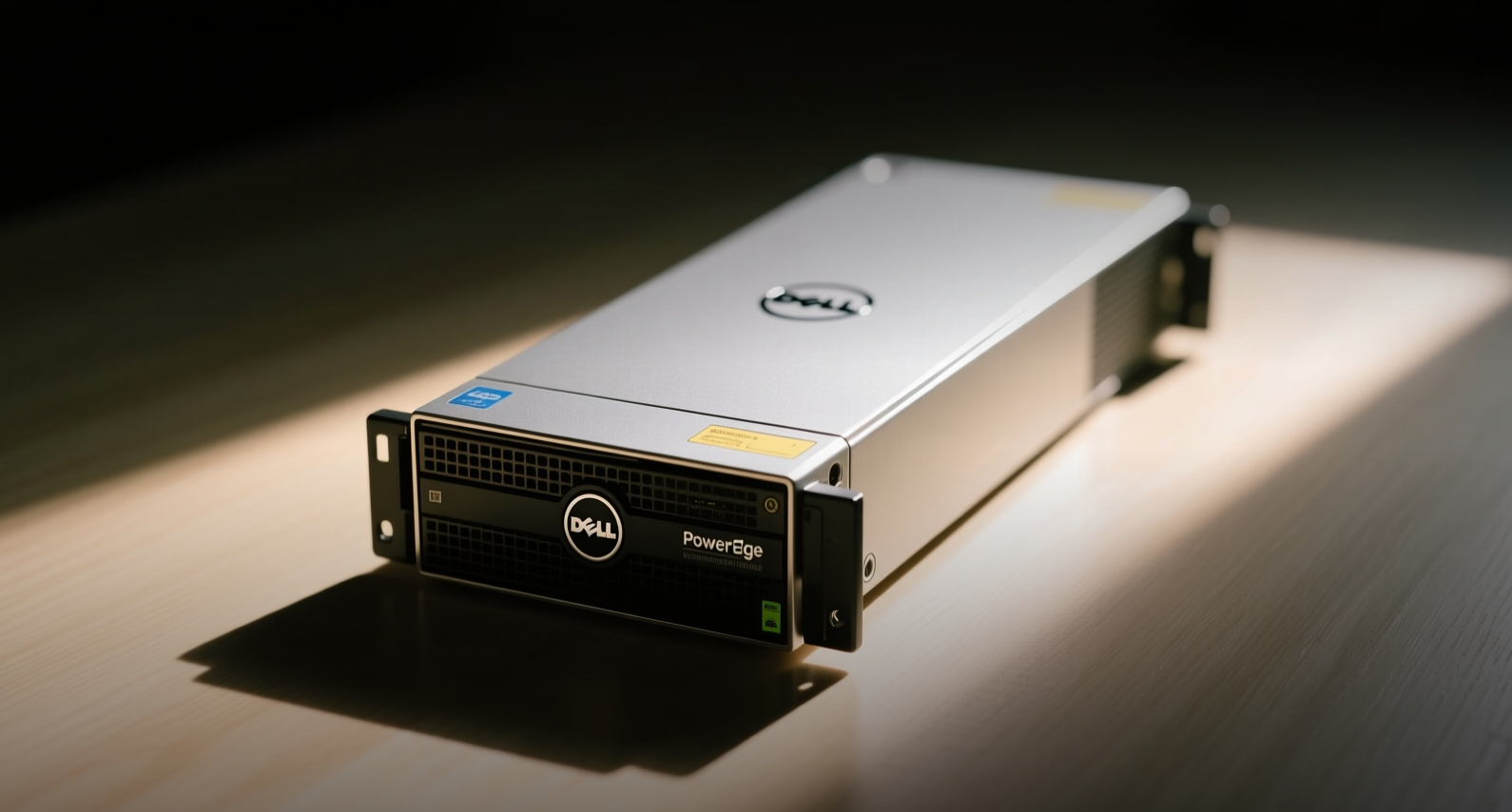
Dell Technologies has emerged as one of the biggest beneficiaries of the AI infrastructure buildout, with its AI-optimized server backlog swelling as enterprises and governments race to deploy Nvidia-powered data centers.
Dell Technologies has emerged as a primary beneficiary of the AI infrastructure boom, with its AI-optimized server backlog swelling as enterprises and governments race to deploy Nvidia-powered data centers.
"Dell's expanding AI server backlog shows that enterprise and government adoption of AI infrastructure is accelerating far beyond initial expectations," George Tsilis said in a Tech Corner segment covering the company's AI server business.
The company's AI-optimized server business has benefited from a broader surge in infrastructure spending. Gartner estimated worldwide spending on AI infrastructure alone will reach $1.37 trillion in 2026, accounting for more than 54 percent of total AI spending and representing a nearly 43 percent increase over 2025. Dell's partnership with Nvidia has been central to its success, positioning the company to capture demand from enterprises seeking pre-configured, scalable AI systems rather than building custom infrastructure from scratch.
The infrastructure boom has created a two-speed market where companies with established data center relationships and manufacturing scale are winning disproportionate share. Dell's ability to deliver Nvidia-powered servers at volume has made it a go-to provider for organizations that lack the internal engineering resources to design and deploy AI clusters independently.
The competitive landscape is intensifying. Super Micro Computer has also reported strong AI server demand, while Hewlett Packard Enterprise has focused on liquid-cooled solutions for high-density AI workloads. Dell's advantage lies in its global supply chain and enterprise sales force, which give it reach into both large corporations and government agencies — a segment that is increasingly prioritizing sovereign AI infrastructure.
The broader AI infrastructure spending cycle shows no signs of slowing. Gartner projects AI infrastructure spending will grow another 28 percent in 2027, suggesting Dell's server backlog could continue expanding. However, component shortages remain a constraint. HPE Chief Executive Officer Antonio Neri said in March that the memory supply crisis is a bigger problem than the constraints faced during the Covid-19 pandemic, with conventional DRAM contract prices rising 74 percent quarter on quarter in the second quarter.
For investors, Dell's AI server momentum reinforces its position as a key AI infrastructure play. The company's expanding backlog suggests sustained revenue visibility, which could drive further upside in DELL shares and positively influence sentiment across the AI hardware supply chain, including Nvidia, Super Micro Computer and Hewlett Packard Enterprise. Dell trades at roughly 15 times forward earnings, a discount to Nvidia's multiple, reflecting the market's view of Dell as a hardware supplier rather than a platform company — a gap that could narrow if AI server revenue continues to compound.
This article is for informational purposes only and does not constitute investment advice.
