
Central banks bought a record 289 tonnes of gold in the second quarter, buying through a 25 percent price correction as 74 percent of reserve managers expect the dollar's share of global reserves to keep falling.
Central banks bought a record 289 tonnes of gold in the second quarter, buying through a 25 percent price correction as 74 percent of reserve managers expect the dollar's share of global reserves to keep falling.
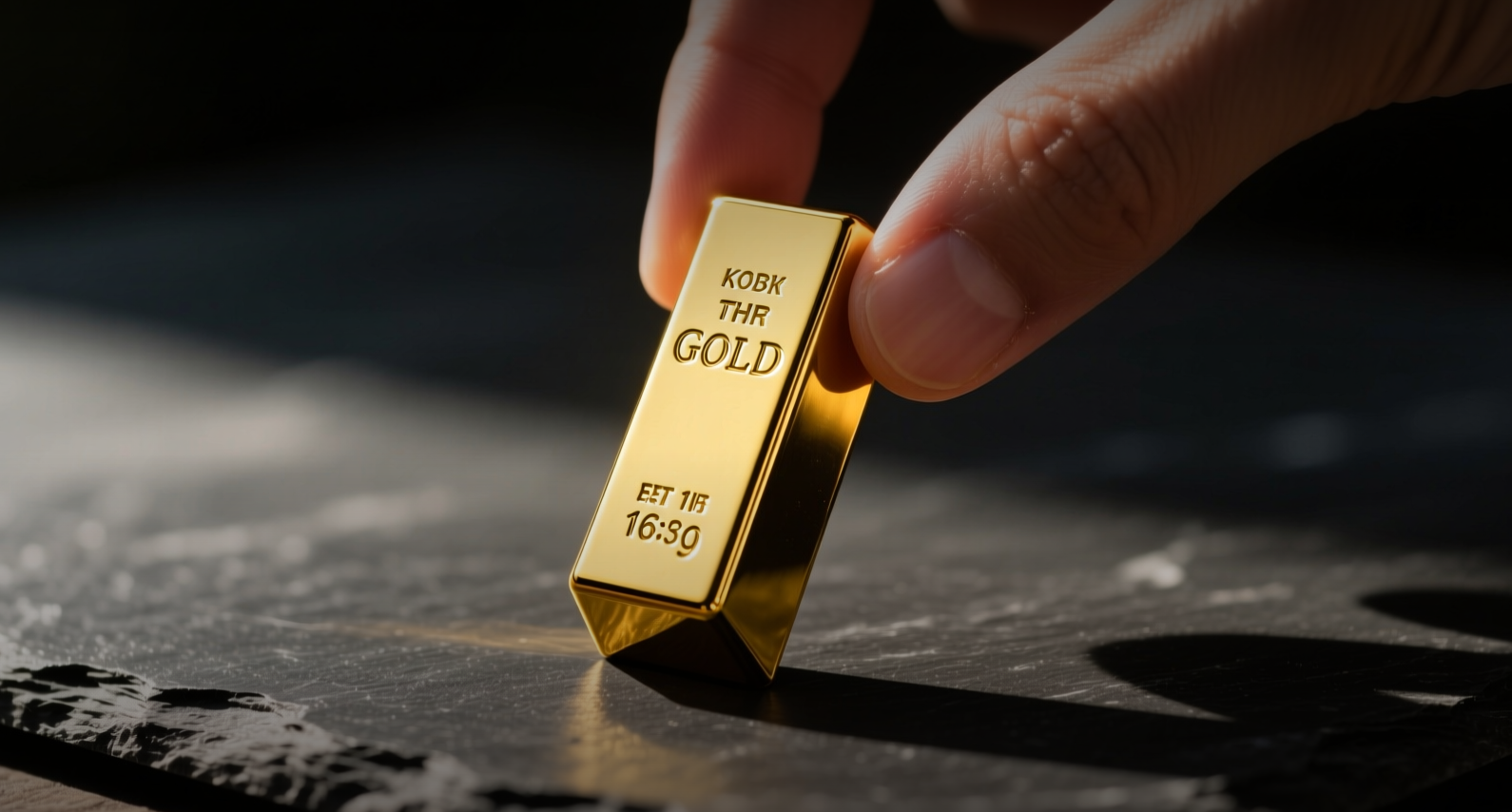
Central banks added a record 289 tonnes of gold in the second quarter, five times the first-quarter total, buying through a 25 percent price correction as reserve managers shift weight from the dollar.
The buying reflects a structural shift in reserve policy, according to the World Gold Council's 2026 Central Bank Gold Reserves Survey, which polled 76 central banks between Feb. 5 and May 19. Seventy-four percent of respondents expect the dollar's share of global reserves to fall over the next five years, while 45 percent anticipate raising their own gold holdings within 12 months.
Poland led reported purchases, adding 51 tonnes in the quarter to reach 632 tonnes, with Governor Adam Glapinski targeting about 700 tonnes. China's central bank bought 33 tonnes, its largest quarterly addition since the fourth quarter of 2023, lifting holdings to 2,346 tonnes across seven straight quarters of increases. Uzbekistan, Kazakhstan, Jordan and the Czech Republic also added gold, while Turkey, Russia and Azerbaijan sold.
The purchases came as gold fell from a January record near $5,595 an ounce to about $3,965 in late June, before recovering roughly 10 percent to $4,380 by mid-August. Deutsche Bank estimated official-sector acquisitions at about $45 billion in the quarter, a flow that LGT projects could push gold to $4,700 within six months and $5,000 within a year.
The second-quarter surge reversed a subdued start to the year, when central banks bought just 57 tonnes in the first three months. First-half purchases of about 345 tonnes marked the weakest opening six months in four years, a reminder that official-sector demand is not uniform. Turkey, among the largest buyers in 2025, cut holdings by 8.1 tonnes in January and February alone, using gold to support its currency.
The divergence matters for the price outlook. Central banks act as long-term, price-insensitive buyers that withdraw supply from the market for years or decades, unlike retail investors who sold into the correction. Indian households, for example, sold nearly 50 tonnes of gold back into the market in the April-June quarter, a 43 percent jump from a year earlier, as the price slide turned Asia's most devoted retail holders into net sellers.
The dollar is the quiet subject underneath the buying. The World Gold Council survey found 89 percent of reserve managers expect global central bank gold holdings to rise over the next year, and 83 percent expect gold to account for a larger share of reserves in five years. That message lands as the dollar index trades near 99.65 and the 10-year Treasury yield sits at 4.688 percent, with traders pricing a 33 percent probability of a Federal Reserve rate hike in September, down from 55 percent a week earlier.
The last time official-sector demand ran this hot was 2022, when central banks bought more than 1,000 tonnes and gold climbed through a year of aggressive Fed tightening. The current cycle shares that trait: purchases are accelerating even as real yields stay elevated, the primary obstacle to a sustained rally. If the Fed holds rates steady and the dollar softens, LGT's targets imply gains of roughly 7 percent and 14 percent from Friday's spot price of $4,379.95.
For investors, the takeaway is that price volatility is not the same as collapsing institutional demand. Central banks bought a record amount in a quarter when the market was still digesting a painful fall from record highs, and they told surveyors they expect more gold and less dollar weight ahead. That structural bid forms the foundation under the current recovery, even if it does not explain any single week of trading.
This article is for informational purposes only and does not constitute investment advice.
