

Key Takeaways: Alibaba's Wan3.0 video generation model, launched August 24, extends single-generation output to 30 seconds and adds document-to-video conversion, sharpening competition with OpenAI's Sora and Google's Veo.
Key Takeaways: Alibaba's Wan3.0 video generation model, launched August 24, extends single-generation output to 30 seconds and adds document-to-video conversion, sharpening competition with OpenAI's Sora and Google's Veo.
Alibaba's Wan3.0 video model pushes AI video generation to 30-second clips with document-to-video conversion, intensifying the race against OpenAI's Sora and Google's Veo. The model, available through Alibaba Cloud's Model Studio and Qwen Cloud, entered public beta in early August and supports multimodal inputs spanning text, images, audio, video, web pages, and documents.
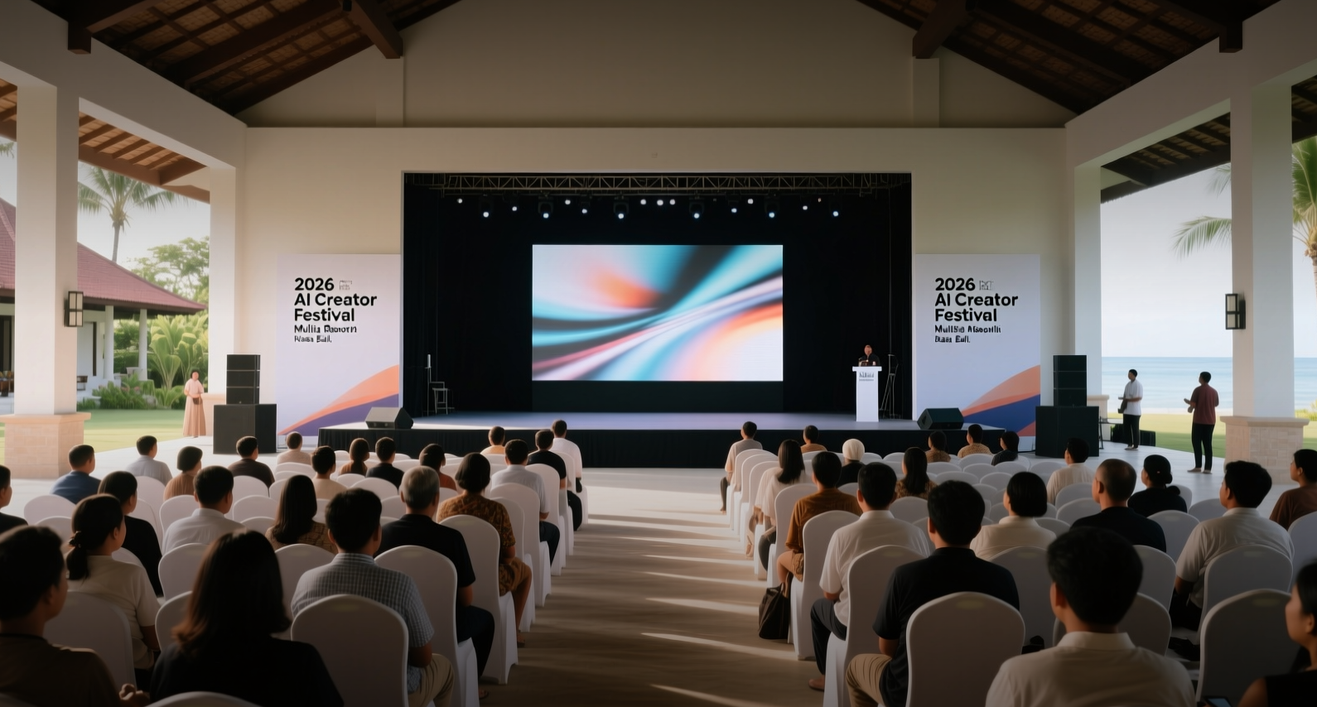
"In the past, it took a crew of dozens to tell a story well; today, VivaReel has put that AI-powered crew in everyone's hands," Summer Li, Founder and CEO of VivaReel, said at the 2026 AI Creator Festival in Bali, which concluded August 22.
Wan3.0 delivers improvements in character consistency and visual realism, maintaining stability across fine-grained dimensions including character, prop, sound, spatial relationships, and style. The model's document input capability — accepting doc, xls, ppt, pdf, and md formats — is a first for Alibaba's video generation line and opens enterprise use cases where teams can convert presentations, spreadsheets, and reports directly into video content.
The launch positions Alibaba Cloud to capture enterprise demand for AI video tools at a time when the technology is moving from experimental to production-grade. VivaReel, an AI-native filmmaking platform built on a multi-agent architecture, has integrated Wan3.0 into its production pipeline, which covers scriptwriting, storyboarding, character generation, and final cut. The platform's style engine, built by decoding hundreds of classic films frame by frame, offers over one hundred controllable styles.
Document-to-Video Opens Enterprise Use Cases
The document input capability is the most distinctive feature of Wan3.0. Users can feed the model a PowerPoint deck, an Excel spreadsheet, or a PDF and generate video content directly from those files. This positions the model for enterprise applications — marketing teams converting product decks into promotional videos, analysts turning data reports into visual narratives, and educators transforming lesson plans into instructional content.
The 2026 AI Creator Festival, held at the Mulia Resort in Nusa Dua, Bali, brought together creators, developers, and industry representatives from 30 countries and regions. The event featured screenings of multiple AI-assisted short films and a panel discussion under the theme "How to Keep Being Human." Seven creators received awards, with the first prize going to "Boxer" for "The One Everyone Passed By" and a Special Award presented to Adrien Bodson for "Tomorrow Calls."
Competitive Landscape and Investment Implications
Alibaba's entry into long-form AI video generation puts pressure on both Western and Chinese competitors. OpenAI's Sora and Google's Veo have set benchmarks for premium text-to-video quality, while Chinese rivals including ByteDance and Kuaishou have pushed aggressive video generation offerings. Wan3.0's document input support and 30-second output could give Alibaba Cloud a differentiated product for enterprise customers already using its cloud infrastructure.
For investors, the launch strengthens Alibaba's AI portfolio at a time when the company has been investing heavily in AI infrastructure. The model's availability through Alibaba Cloud's Model Studio and Qwen Cloud creates a direct revenue path through API usage and cloud consumption. Alibaba's Qwen family of large language models has already established a strong position in the Chinese AI market, and Wan3.0 extends that reach into video generation.
Tobias Bauer, General Partner and Co-founder of TBV, shared observations at the Bali event on investment trends in AI-powered content creation, noting the global startup landscape is shifting toward AI-native production tools. The convergence of video generation models with production platforms like VivaReel suggests the market is consolidating around end-to-end solutions rather than standalone model APIs.
This article is for informational purposes only and does not constitute investment advice.
