

Abbott Laboratories raised its 2026 profit forecast after second-quarter results beat estimates, driven by strong demand for cardiovascular devices.
Abbott Laboratories raised its 2026 profit forecast after second-quarter results beat estimates, driven by strong demand for cardiovascular devices.
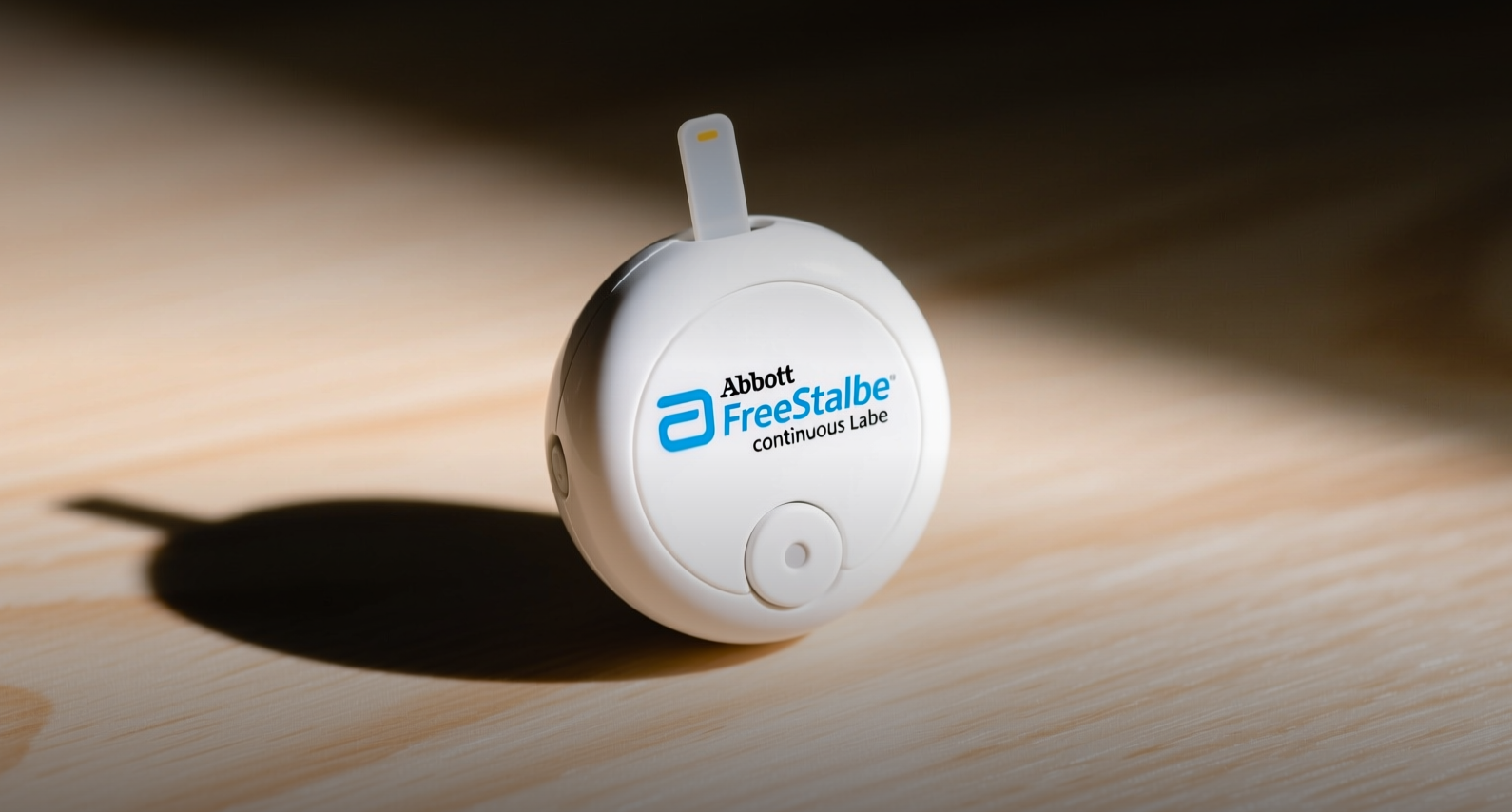
Abbott Laboratories raised its full-year profit forecast to as much as $5.60 a share after second-quarter results topped estimates, powered by sustained demand for its heart devices that the company expects to accelerate in the second half.
The company's medical devices franchise, including its FreeStyle Libre continuous glucose monitors and cardiovascular portfolio spanning electrophysiology and structural heart, drove the outperformance, Abbott said in its earnings release. The raised guidance reflects "expected strong demand for heart devices in the second half of the year."
Second-quarter adjusted earnings reached $1.31 a share, topping the $1.28 consensus from 23 analysts surveyed by LSEG. Revenue rose to $12.6 billion, above the $12.52 billion estimate and up 13% from $11.14 billion a year earlier. The company now expects full-year adjusted profit of $5.45 to $5.60 a share, compared with its prior range of $5.38 to $5.58. The midpoint of $5.53 sits above the $5.49 analyst consensus. Full-year organic sales growth is expected to land between 6.5% and 7.5%.
The raised forecast signals that Abbott's core medtech businesses are gaining momentum after a period of stock underperformance. Shares have fallen 27% year to date, and the company trades at 25.15 times earnings — a discount to Boston Scientific at 32 times and Dexcom at 38 times, according to public filings. The valuation gap reflects investor skepticism about Abbott's growth trajectory, which the company is now trying to close with its upgraded outlook.
Abbott's diversified portfolio spans four segments: medical devices, diagnostics, nutrition, and established pharmaceuticals. The devices division, which includes the FreeStyle Libre system and cardiovascular products, is the highest-margin and fastest-growing piece of the business. In the first quarter, the established pharmaceuticals division posted 13.2% reported sales growth in emerging markets, while nutrition sales declined 6% as the company worked through pricing adjustments. Selling, general and administrative expenses rose 22.2% year over year in the first quarter, partly reflecting costs tied to European medical device regulation compliance.
The company's heart device business faces competition from Boston Scientific in structural heart and electrophysiology, and from Dexcom in continuous glucose monitoring. Abbott's FreeStyle Libre holds a leading market position, but pricing pressure and new product launches from rivals have narrowed the competitive gap. The second-half demand outlook for cardiovascular devices will be a key test of whether Abbott can sustain its market share while expanding margins.
For investors, the raised guidance provides a clearer floor for earnings expectations, but the stock's year-to-date decline suggests the market is waiting for proof of execution. With the company trading at a discount to high-growth medtech peers, the second-half results will determine whether the valuation gap narrows or widens.
This article is for informational purposes only and does not constitute investment advice.
