
Ukraine intercepted just one of nine Russian ballistic missiles overnight, exposing a Patriot interceptor shortage that has become the war's most critical vulnerability.
Ukraine intercepted just one of nine Russian ballistic missiles overnight, exposing a Patriot interceptor shortage that has become the war's most critical vulnerability.
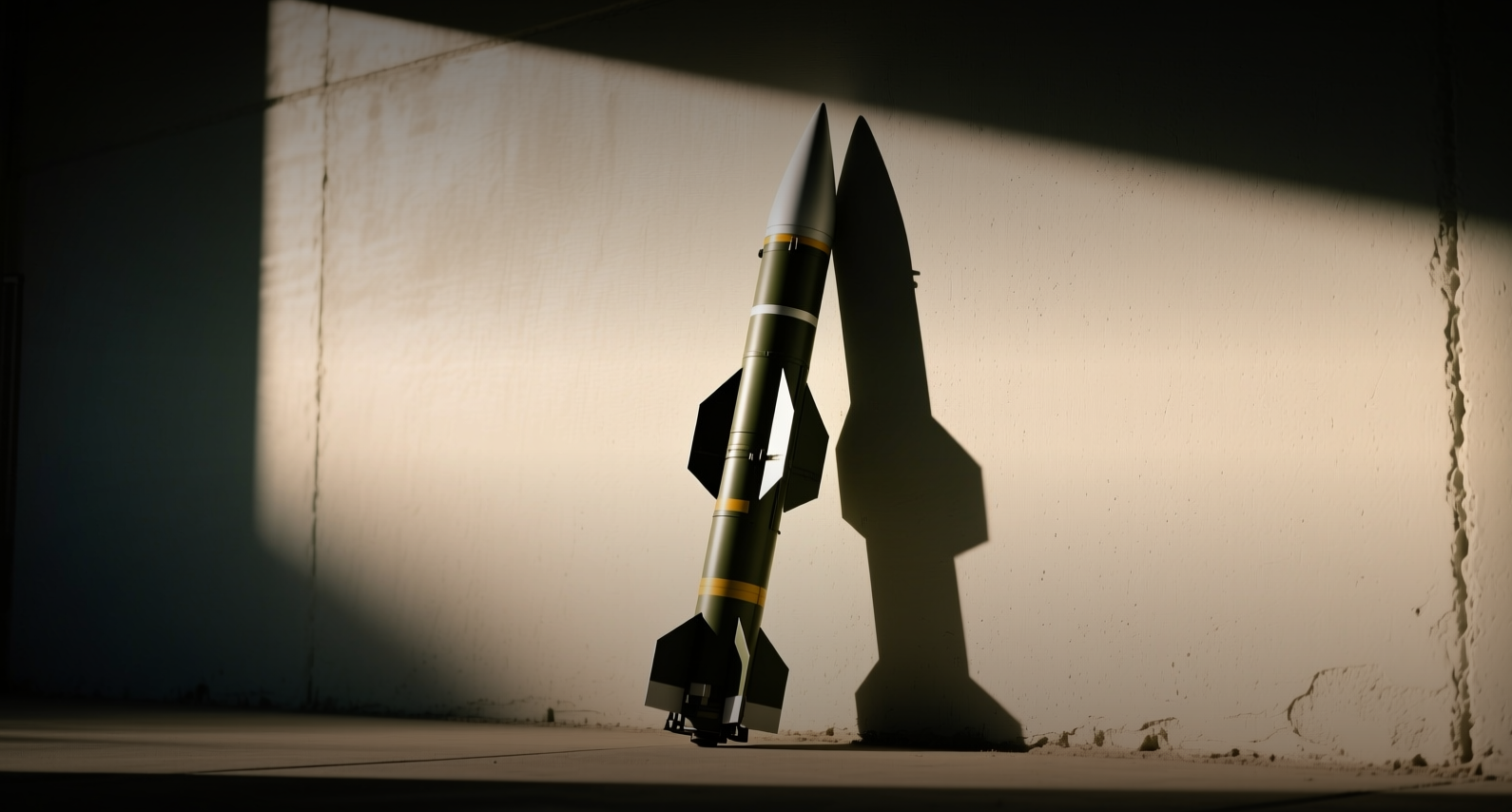
Russian overnight airstrikes killed at least eight people and wounded more than 50 across Ukraine, as Kyiv intercepted just one of nine ballistic missiles while a deepening Patriot interceptor shortage takes hold.
"Each partner knows what is needed and fully understands the consequences of delay," Ukrainian President Volodymyr Zelensky said on Telegram, repeating his urgent appeal for more Patriot interceptors from the U.S. and other Western allies.
Ukraine's air force intercepted 54 of 61 Russian cruise missiles and 265 of 284 Shahed-style drones, but ballistic missiles proved nearly unstoppable. A direct hit on a family home near Kryviy Rih killed several children and their parents, while more than 56,000 people took shelter in Kyiv's subway stations. One Russian Kh-101 cruise missile crossed into Polish airspace and exploded in a field near Tarnawa-Kolonia in the Lublin province, prompting Polish Prime Minister Donald Tusk to call the violation a "serious incident."
The attack came two days after Zelensky met with President Trump in Washington, where Trump expressed support for licensing Ukraine to manufacture Patriot interceptors domestically. But production timelines remain long, and the U.S.-Iran war has drained existing stockpiles, leaving Ukraine dependent on a supply chain that cannot keep pace with Russia's escalating bombardment.
The barrage spanned at least 10 Ukrainian regions, with Russia launching more than 70 missiles and over 280 attack drones. In the Dnipropetrovsk region, six people were killed including a 6-year-old girl and boys aged 11 and 17, whose parents also died in the same strike. Two more children were pulled alive from the rubble, Zelensky said. In Kyiv, a 31-year-old man was killed and residential buildings, a market and storage facilities were damaged. Lviv suffered 34 wounded, including three children ages 6, 13 and 15.
The Polish incident marks the second time a Russian projectile has entered NATO airspace during the war. In November 2022, a missile killed two people in Przewodów, Poland, near the Ukrainian border. That incident was ultimately attributed to Ukrainian air defense, but Thursday's confirmed Russian Kh-101 cruise missile crossing represents a more direct violation. Polish authorities launched an F-16 to intercept the object, but it disappeared from radar before identification, and a helicopter crew later discovered the impact site in an undeveloped area.
Ukraine's military has demonstrated greater success against non-ballistic threats, intercepting 54 of 61 cruise missiles and 265 of 284 drones. But ballistic missiles travel at hypersonic speeds and descend at steep angles, making them nearly impossible to stop without Patriot systems. The interceptor shortage has been compounded by the U.S.-Iran conflict, which consumed large numbers of Patriots from existing stocks.
Zelensky has urged Washington to release interceptors from current U.S. inventories while the manufacturing license proposal moves forward. Ukrainian Foreign Minister Andrii Sybiha said the Polish airspace violation "highlights the need to strengthen Ukraine's air defense very urgently," noting that adequate defenses would intercept missiles before they reach NATO airspace.
The defense implications extend beyond Ukraine. European NATO members rely on the same Patriot interceptor systems to protect their own airspace, and the U.S.-Iran war has demonstrated that demand now exceeds supply across multiple theaters. Russia's strategy appears calibrated to exploit this gap — by launching mass ballistic missile barrages, Moscow forces Ukraine to expend its limited interceptor stockpile, potentially creating windows of vulnerability. The pattern echoes the winter 2022-23 campaign against Ukraine's energy grid, though the current targeting of residential areas suggests an even more aggressive posture.
The manufacturing timeline for Patriot interceptors is measured in years, not months. Even if Trump's licensing proposal moves forward, establishing production lines in Ukraine would require significant time and investment. Meanwhile, Russia shows no sign of reducing its bombardment tempo, and the U.S.-Iran conflict continues to draw from the same interceptor pool.
This article is for informational purposes only and does not constitute investment advice.
