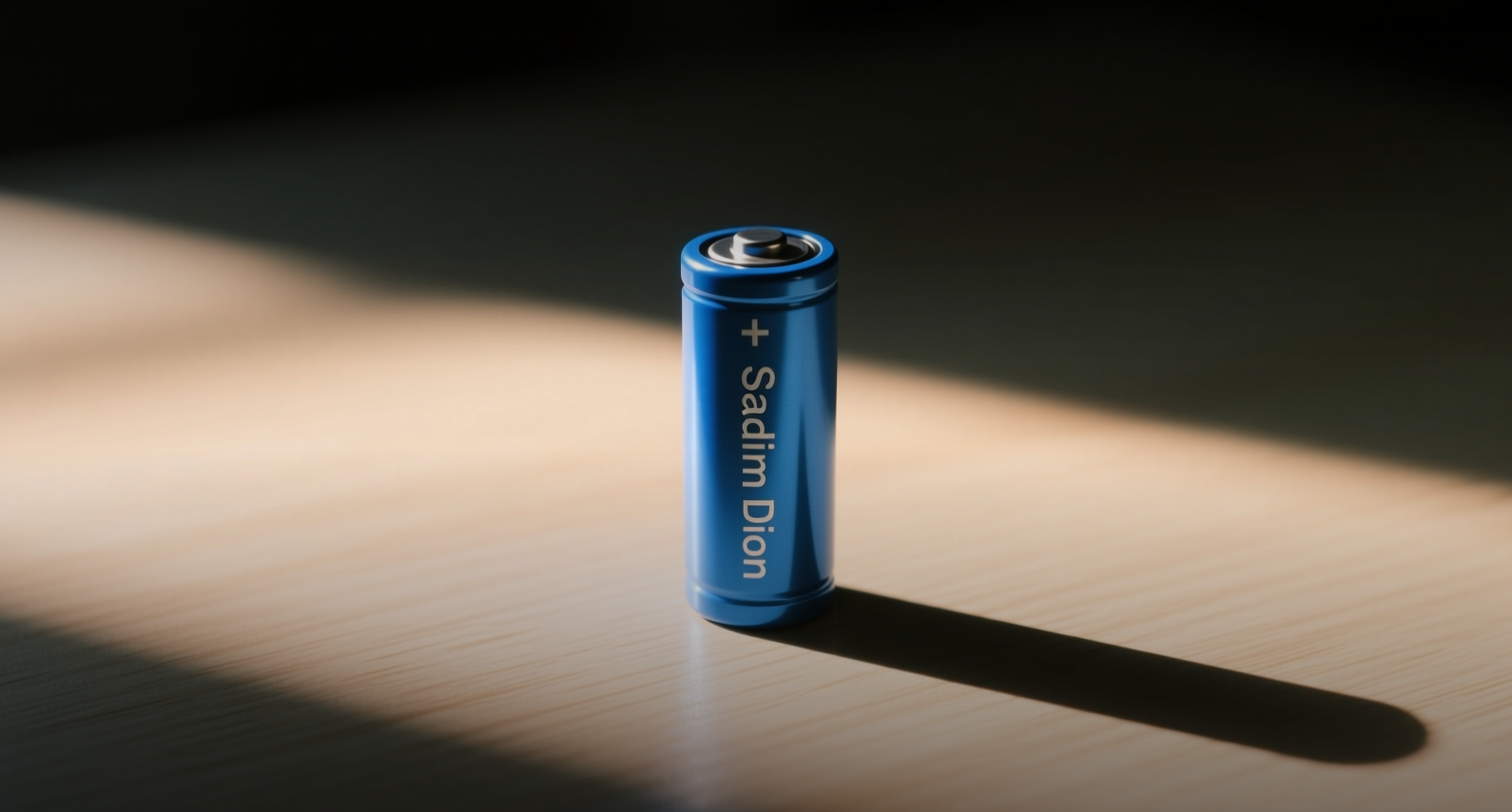
CATL's sodium-ion batteries are crossing into Western markets for the first time, threatening lithium's dominance in grid storage.
CATL will deploy 5 gigawatt-hours of sodium-ion energy storage systems across Western Europe from 2027, marking the first major push of the cheaper battery chemistry into a Western market. The memorandum of understanding with Dutch energy solutions provider Alfen N.V. covers systems in the Netherlands and other Western European countries.
"This is the first wave of on-the-ground applications of our Tianheng sodium-ion system in Europe," Zhang Yizhi, a spokesperson for CATL, said in a statement. The company plans to use the deployment to accumulate localized experience with European grid standards and accelerate the technology's large-scale adoption.
CATL's Tianheng sodium battery packs an energy density of 175 watt-hours per kilogram, comparable to lithium iron phosphate cells but at a fraction of the raw material cost. Industrial-grade sodium carbonate costs $200 to $280 per tonne, while battery-grade lithium carbonate trades at $20,000 to $25,000 per tonne, Zhang said. Sodium is more than 1,000 times as abundant as lithium in the Earth's crust and can be extracted from seawater.
Why Sodium Now
China imports 75% of its lithium, creating supply chain vulnerability that has driven investment in alternative chemistries. Sodium-ion batteries were first developed in the 1980s but languished as lithium-ion technology advanced. That changed after pandemic-era lithium price volatility exposed the fragility of supply, with prices swinging between $7,000 and $80,000 per tonne between 2020 and 2023.
CATL — the world's largest battery producer — announced in April that it would begin mass-producing sodium-ion cells before the end of 2026. The company has signed deals to supply both a car manufacturer and an energy-storage provider. Rival BYD, the largest electric-car maker by global sales, is also investing heavily in sodium technology, analysts report.
The performance gap is closing faster than many expected. Gotion High-Tech unveiled a sodium battery prototype in May with 261 Wh/kg energy density and 20,000 charge cycles, approaching the performance of LFP cells. Lu Yaxiang, a professor at the Chinese Academy of Sciences, developed a sodium metal battery that charges in roughly four minutes and retains 90% capacity after 2,000 cycles, using a quasi-solid gel electrolyte.
The Grid Storage Opportunity
Sodium-ion's lower energy density — about two-thirds that of advanced lithium-ion cells — matters less for stationary storage than for electric vehicles. Grid batteries sit on concrete pads, not in car frames, making weight and volume secondary to cost. LFP cells already dominate the stationary storage market for this reason, and sodium promises to push costs even lower.
Auke Hoekstra, an energy analyst at Eindhoven University of Technology, said he has been surprised by the pace of sodium-ion advancement. "For the future of energy, this really would be a game-changer," he said.
CATL expects sodium-ion costs to reach parity with LFP by the end of 2026. Research firm Wood Mackenzie estimates parity will not arrive until 2035, reflecting wide uncertainty about manufacturing scale-up. BloombergNEF's Evelina Stoikou said estimates carry "a very wide error margin" because the industry is just starting to scale.
The European deal gives CATL a beachhead in a market where grid storage demand is accelerating. The EU's REPowerEU plan targets 600 GW of solar capacity by 2030, requiring massive battery deployment to manage intermittent generation. Sodium-ion systems that function at temperatures as low as minus 40 degrees Celsius offer an advantage in northern European climates where lithium batteries lose efficiency.
CATL shares trade on the Shenzhen Stock Exchange. The company's dual-track strategy of advancing both lithium and sodium technologies positions it to capture market share across the cost spectrum of energy storage, from high-density NMC cells for premium EVs to low-cost sodium cells for grid applications. If sodium reaches cost parity with LFP as projected, the addressable market for the chemistry could exceed 500 GWh annually by 2030, according to industry estimates.
This article is for informational purposes only and does not constitute investment advice.