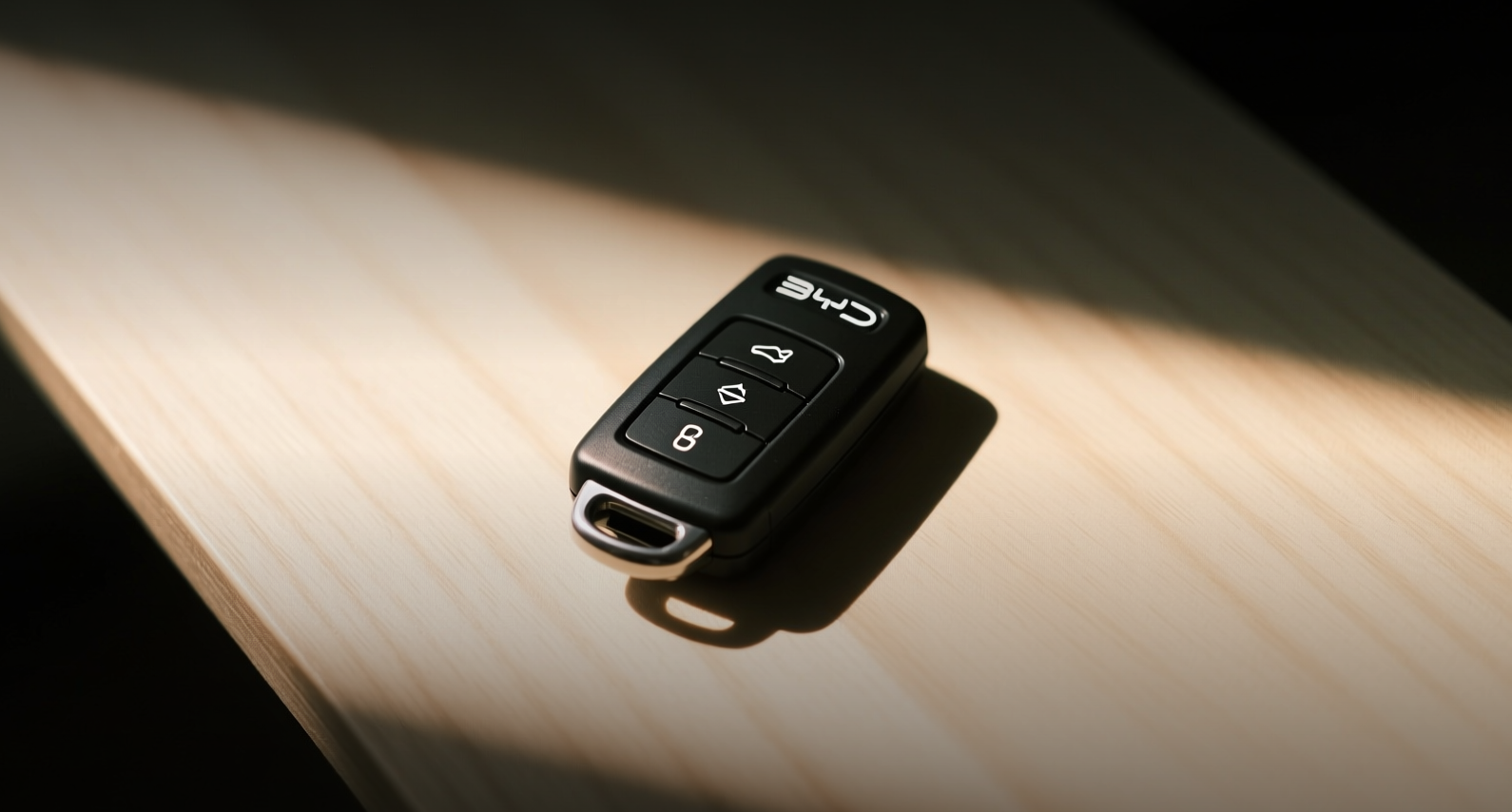
BYD Co. said orders have remained plentiful since launching its flash charging technology and multiple new vehicle models, pushing the Shenzhen-based automaker to accelerate capacity expansion as consumer demand outstrips supply.
"Orders have remained plentiful since the launch of flash charging technology and multiple vehicle models, and the company is expediting capacity expansion to meet growing consumer demand," BYD said on an interactive platform, without disclosing specific order volumes or delivery timelines.
BYD's Super e-Platform, demonstrated last year, supports up to 1,000 kilowatts of charging power and can add nearly 250 miles of claimed range in five minutes, according to company specifications. The technology uses the company's proprietary Blade Battery — a lithium iron phosphate (LFP) cell-to-pack design that eliminates intermediate module housings for roughly 50% greater space utilization than conventional LFP blocks. The system has been deployed across the Han L sedan and the Denza Z9 GT, with the company now working to scale production across its broader lineup.
The flash charging push comes as Chinese automakers race to eliminate range anxiety as the last barrier to mass EV adoption. Hongqi, the FAW Group's luxury brand, recently demonstrated an experimental battery that charged from 10% to 70% in 3 minutes and 41 seconds at a peak rate of 12C, while CATL's third-generation Shenxing LFP battery claims a 10%-to-80% charge in 3 minutes and 44 seconds. Geely's Zeekr brand has shown a peak charging power exceeding 1.3 megawatts on an updated 001 model.
BYD shares traded at HKD 95.5 on July 30, up 2.03%, with volume of 9.71 million shares and turnover of HKD 923 million. Short selling accounted for 28.1% of trading volume, according to exchange data. The stock has gained roughly 15% since the flash charging technology was first demonstrated, though it remains below its 52-week high as investors weigh the costs of rapid capacity expansion against potential market share gains.
The company's capacity expansion plans will determine whether it can maintain its lead in China's intensifying EV price war. BYD sold more than 4.2 million new energy vehicles in 2025, according to CPCA data, giving it roughly a 33% share of China's passenger EV market. Rivals including Geely, SAIC and Xiaomi have all launched competing fast-charging models in recent months, pressuring margins across the sector.
BYD's Blade Battery, which uses LFP chemistry — lithium iron phosphate, cheaper and thermally more stable than nickel-manganese-cobalt alternatives — is estimated to cost roughly $56 per kilowatt-hour at the pack level, according to BloombergNEF. That cost advantage, combined with the flash charging capability, gives BYD a dual edge in both price and performance that competitors are racing to match.
This article is for informational purposes only and does not constitute investment advice.