

Key Takeaways:
- AMD reports Q2 earnings late July with EPYC, Instinct, Ryzen AI demand in focus
- Cloud providers' capex surge supports AI chip demand but NVIDIA competition looms
- Lofty valuation leaves little room for error if guidance disappoints
Key Takeaways:
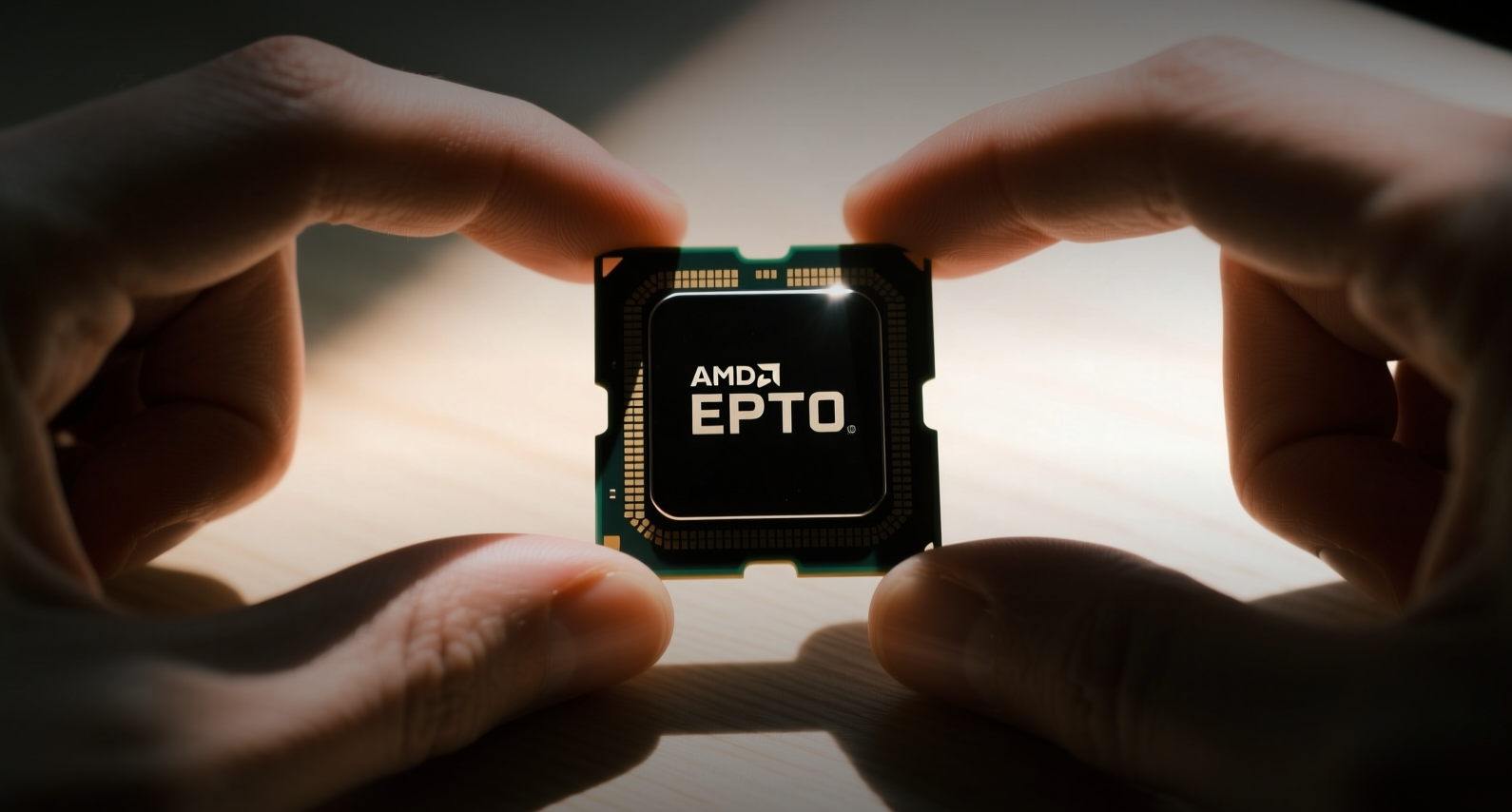
AMD heads into Q2 earnings with EPYC and Instinct demand strong as cloud providers' capital spending surges 68%.
"Although hard to see anyone matching GOOGL's pace of sequential dollar revenue growth, which raises the possibility of share shifts that could be a modest investor concern," Evercore analysts Mark Mahaney and Greg Melich wrote in a note, recommending Amazon stock.
Amazon's cloud unit generated $42.23 billion in Q2 revenue, up 37% year over year, the fastest growth since 2021. Google Cloud revenue surged 82% to almost $25 billion, while Microsoft's Azure and other cloud services grew 43%. AWS's AI business and its chips each brought in over $25 billion in annualized revenue, more than doubling from last year.
The cloud capex boom directly benefits AMD, whose EPYC server CPUs and Instinct AI accelerators compete for data center workloads. But NVIDIA remains the dominant force in AI accelerators, and AMD's lofty valuation leaves little room for error if Q2 guidance disappoints. AMD reports earnings on or around late July.
AMD's product portfolio spans three key segments: EPYC server CPUs for data centers, Instinct AI accelerators for machine learning workloads, and Ryzen AI processors for client devices. The company has been gaining share in the server CPU market against Intel, while its Instinct line competes with NVIDIA's H100 and B200 accelerators in the AI training and inference market.
NVIDIA's CUDA software ecosystem remains a significant moat, and the company's data center revenue continues to grow at a rapid pace. AMD's MI300 series accelerators have won design wins at major cloud providers, but NVIDIA's dominance in AI accelerators means AMD must differentiate on price-performance and total cost of ownership.
AMD trades at a premium multiple relative to its semiconductor peers, reflecting investor expectations for continued AI-driven growth. If Q2 results or guidance fall short of those expectations, the stock could face significant downside.
The company's Q2 earnings report, expected on or around late July, will be a critical test. Investors will watch for updates on Instinct accelerator shipments, EPYC server CPU market share gains, and Ryzen AI adoption. Any commentary on the competitive landscape versus NVIDIA will also be closely scrutinized.
For holders, the Q2 report will determine whether AMD's AI growth story justifies its valuation. The next event to watch is the earnings call, where management's guidance for Q3 will show whether AI demand is accelerating or plateauing.
This article is for informational purposes only and does not constitute investment advice.
