
The Trump administration's "Operation Economic Outcast" sanctions package marks the most aggressive financial offensive against Iran in nearly five decades of sanctions warfare.
The Trump administration's "Operation Economic Outcast" sanctions package marks the most aggressive financial offensive against Iran in nearly five decades of sanctions warfare.
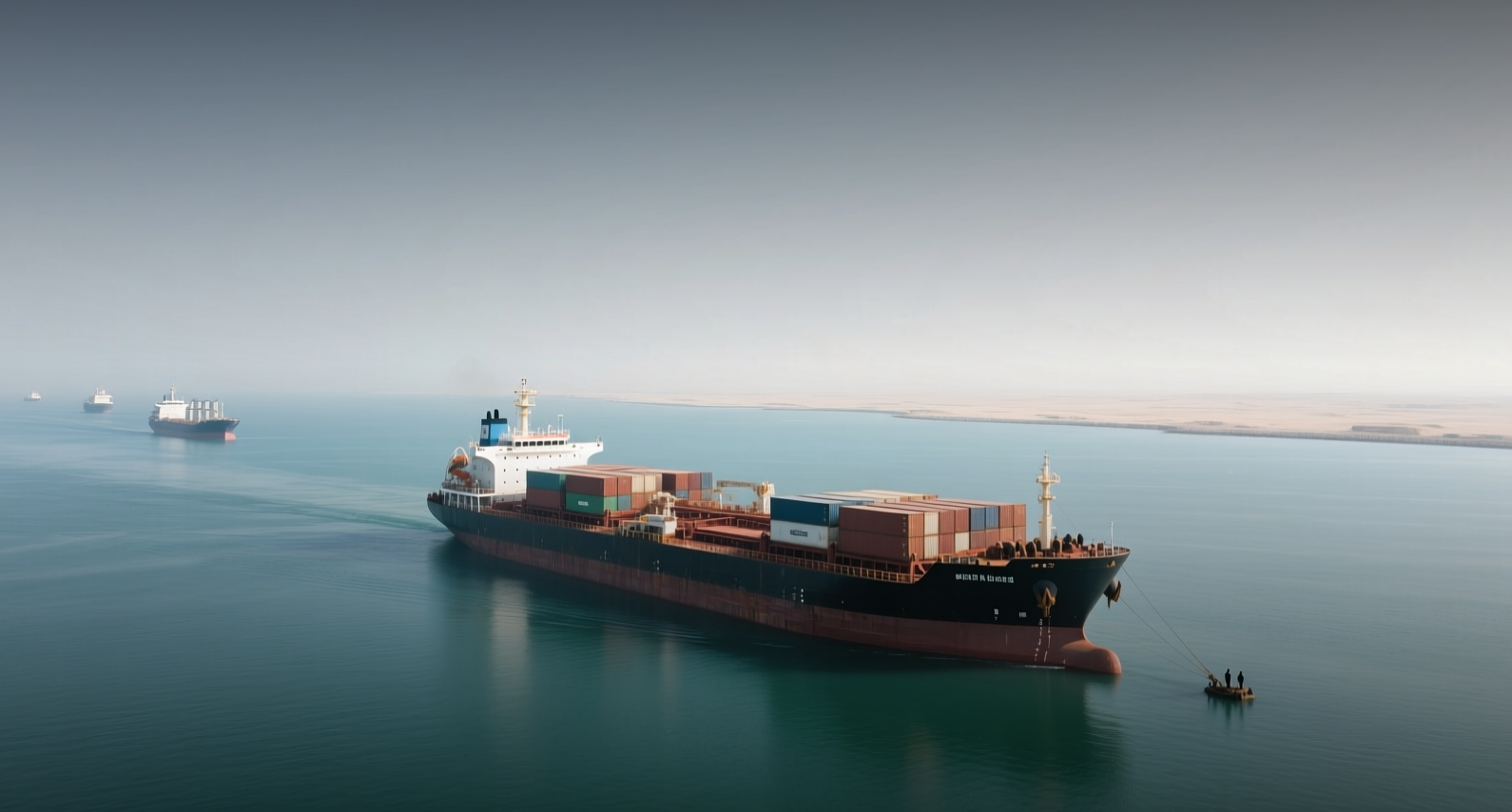
The US Treasury unveiled "Operation Economic Outcast" Monday, expanding secondary sanctions on Iran across five sectors and 60 entities as Washington pivots from military strikes to financial warfare in the six-month-old conflict.
"Around the globe, our objective is to sever every economic lifeline that sustains this tyrannical regime until Tehran stands alone," Treasury Secretary Scott Bessent told journalists, warning that countries not joining the sanctions campaign would "share" in Iran's isolation.
The sanctions hit entities in the UAE, Hong Kong, China, Singapore and Europe. Iran's oil exports through the Strait of Hormuz have fallen from two million barrels a day pre-war to just 0.4 million by mid-August, according to maritime tracker Kpler. The Iranian rial hit a record low of 2.02 million to the dollar on informal markets, while Brent crude slipped 0.6 percent to $90.04 a barrel.
The escalation carries direct consequences for global energy markets — the Strait of Hormuz handles roughly one-fifth of the world's oil trade — and for US consumers already paying $4.09 a gallon for petrol, up from $2.98 when the war began Feb 28. With midterm elections approaching and only a third of Americans supporting the war per a Reuters/Ipsos poll, the economic squeeze on Iran could reshape both the conflict and US domestic politics.
Iran's leadership dismissed the new measures as predictable. "We've been waiting for these plans for a long time, and the government is and was ready and has a two-year plan to manage these events," Economy Minister Ali Madanizadeh told state television, predicting "another defeat" for Washington.
The sanctions campaign builds on nearly five decades of US economic pressure dating to the 1979 hostage crisis. Iran's Central Bank Governor Abdolnaser Hemmati, who held the same post during Trump's first-term "maximum pressure" campaign from 2018 to 2020, argued Tehran has already survived the worst Washington can deliver. "They imposed maximum pressure, imposed secondary sanctions, sanctioned all our banks, sanctioned all our agriculture, sanctioned all our oil purchases — they sanctioned everything," Hemmati said. "The country stood and got through that period."
China's 90% Oil Share Tests Sanctions Reach
China, which bought roughly 90 percent of Iran's crude exports — about 1.4 million barrels per day in 2025 — is the critical test case for whether the new sanctions bite. Asked whether Chinese banks would be targeted, Bessent said "no one is above the reach of US sanctions." Beijing pushed back Tuesday, with Foreign Ministry spokesperson Lin Jian calling the measures "illegal unilateral sanctions" and vowing China "will take all necessary measures to firmly safeguard its own rights and interests."
The stakes extend beyond oil. Gold jumped 0.8 percent to $4,639.49 an ounce in midday trading, its highest since mid-May, as investors sought safe havens. US equities traded mixed, with the Nasdaq down 0.5 percent and the S&P 500 off 0.2 percent, while energy majors including ExxonMobil and BP fell between 0.8 and 2 percent.
Pakistan, Oman Mediate as 68 Vessels Struck in Hormuz
Pakistan's army chief Field Marshal Asim Munir visited Tehran Monday, meeting Iran's president, chief negotiator and national security chief in a renewed mediation push. Iran's semi-official Tasnim news agency said Munir would relay Tehran's conditions for returning to the June memorandum of understanding, including US adherence to Article 5 governing Strait of Hormuz passage. Oman's foreign minister was due in Tehran Tuesday for talks on regulating the waterway.
The diplomatic overtures come as the war approaches its sixth month with no end in sight. The US naval blockade has redirected 71 commercial ships, and 68 attacks have hit commercial vessels during the conflict, according to Central Command and maritime tracking data. Defense Secretary Pete Hegseth said Monday that "by no means are we foreclosing using kinetic strikes anywhere in the Strait of Hormuz or around Iran."
For ordinary Iranians, the economic pressure is already visible. Long lines formed at gas stations in Tehran Tuesday, and the rial's slide has accelerated inflation that fueled massive anti-government protests in December and January. "I don't think people can really take this much longer," said Sarah Hassanbeigi, a 32-year-old pharmacist in Tehran.
Ali Vaez of the International Crisis Group said Washington was seeking maximum economic pressure through various levers, but Iran "has faced all of these before." The last time Trump pursued maximum pressure from 2018 to 2020, the campaign failed to force regime change but deepened economic hardship and fueled widespread protests. The current escalation, layered on top of a shooting war and naval blockade, represents a far more aggressive squeeze. Whether it breaks the stalemate or deepens the humanitarian toll may depend on whether China and other trading partners comply — or whether Tehran's threat to retaliate against countries that join the US campaign deters them.
This article is for informational purposes only and does not constitute investment advice.
