

The US Commerce Department opened a formal investigation into whether Chinese AI companies illegally obtained advanced Nvidia chips, threatening sanctions against Moonshot AI.
The US Commerce Department opened a formal investigation into whether Chinese AI companies illegally obtained advanced Nvidia chips, threatening sanctions against Moonshot AI.
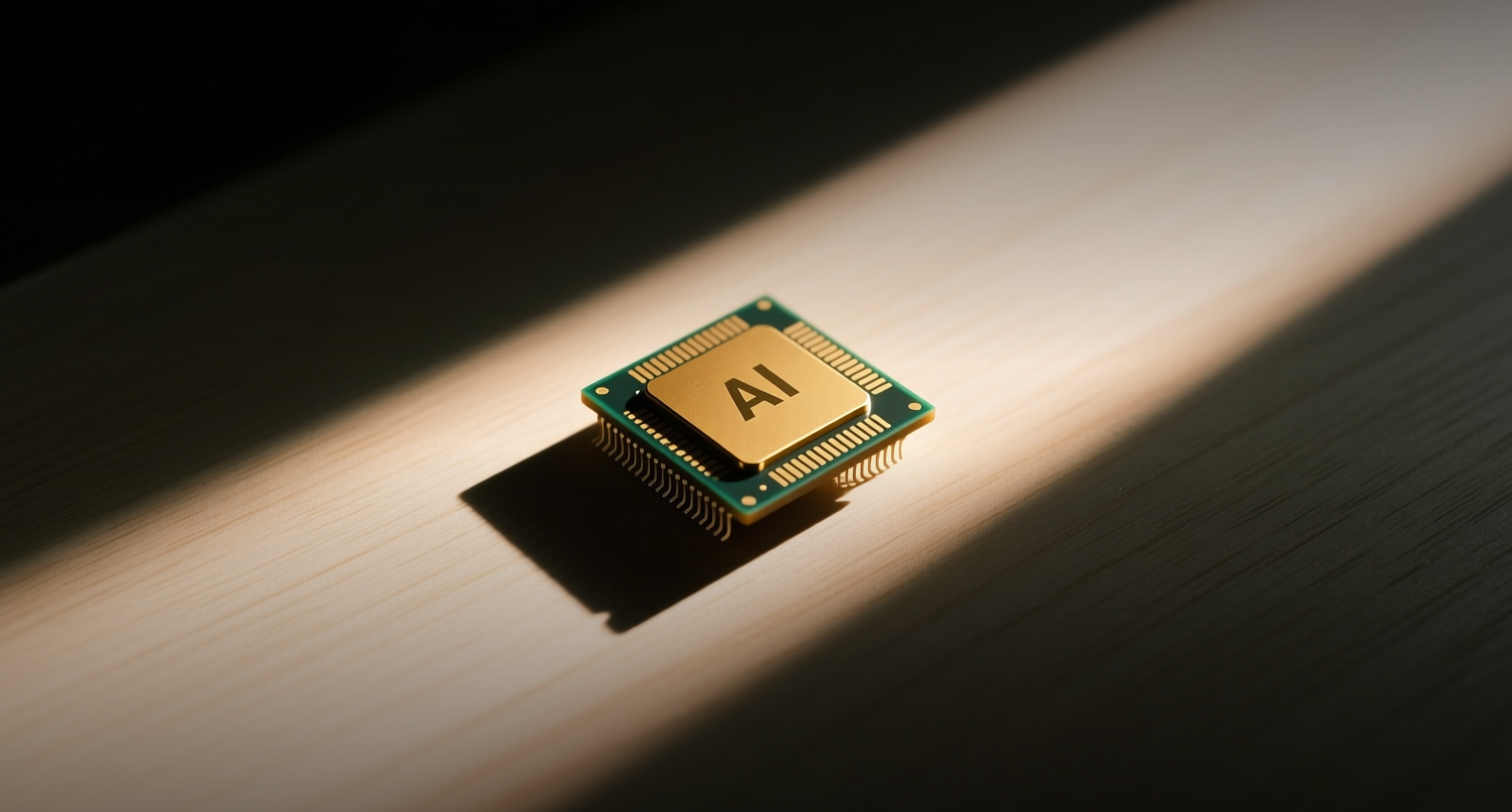
The US Commerce Department opened a formal probe into whether Chinese AI companies illegally obtained advanced Nvidia chips, as the White House accused Moonshot AI of stealing US intellectual property for its 2.8-trillion-parameter Kimi K3 model.
"Legitimate AI distillation used to create smaller, more efficient models plays a vital role in this open innovation ecosystem," Michael Kratsios, director of the White House Office of Science and Technology Policy, said in a post on X. "However, large-scale, covert industrial distillation aimed at stealing proprietary US technology and undermining American research is unacceptable."
Kratsios alleged that Moonshot acquired servers equipped with Nvidia's GB300 chips — part of the Blackwell generation prohibited from sale to Chinese companies — and accessed GB300s in Thailand to train its models. The probe could result in Moonshot and other Chinese AI labs being added to the Commerce Department's Entity List, barring them from obtaining US semiconductors. Treasury Secretary Scott Bessent separately warned on Fox Business that the administration could sanction Chinese AI models built through IP theft.
The investigation adds a legal dimension to Kimi K3's debut, a 2.8-trillion-parameter open-weight model that Moonshot said matches all rivals except Anthropic's Claude Fable 5 and OpenAI's GPT-5.6. Nasdaq indices dipped after the July 17 launch, reflecting investor concern that US AI leadership faces a credible challenge. Moonshot, which halted new subscriptions days after launch, is in talks to raise capital at a valuation of as much as $50 billion ahead of a planned Hong Kong IPO expected to begin in August.
The State Department in April directed US embassies to highlight pervasive intellectual property theft by Chinese AI companies, with Moonshot among those named, according to a diplomatic cable cited by Reuters. Congressional legislation targeting unauthorized distillation of US models has advanced in both chambers.
Entity List Threat Looms Over Chinese AI Sector
The Trump administration is weighing whether to place Chinese AI labs on the Entity List, a move that would cut them off from Nvidia's most advanced chips. The last major US escalation against Chinese tech — the October 2022 chip rules restricting A100 and H100 shipments — sent the Philadelphia Semiconductor Index down 6 percent in the following week while the PHLX China Index fell 8 percent, according to data compiled by Bloomberg.
David Sacks, an AI advisor to the Trump administration, called the situation an "inflection point" in AI policy regarding competition with open-source technologies. Moonshot said it would publish K3's full weights on July 27, making the model freely distributable and harder to contain through export controls.
At 2.8 trillion parameters, Kimi K3 is the largest open-weight model in the world. Its public architecture means the weights can be shared freely once released, bypassing traditional chip-focused export restrictions. The model matched or closely rivaled Anthropic and OpenAI on key benchmarks, particularly in coding tasks, according to the company.
This article is for informational purposes only and does not constitute investment advice.
