
Venezuelan crude under a US bilateral deal may enter strategic petroleum reserves by November, White House Deputy Press Secretary Anna Kelly said.
Venezuelan crude under a US bilateral deal may enter strategic petroleum reserves by November, White House Deputy Press Secretary Anna Kelly said.
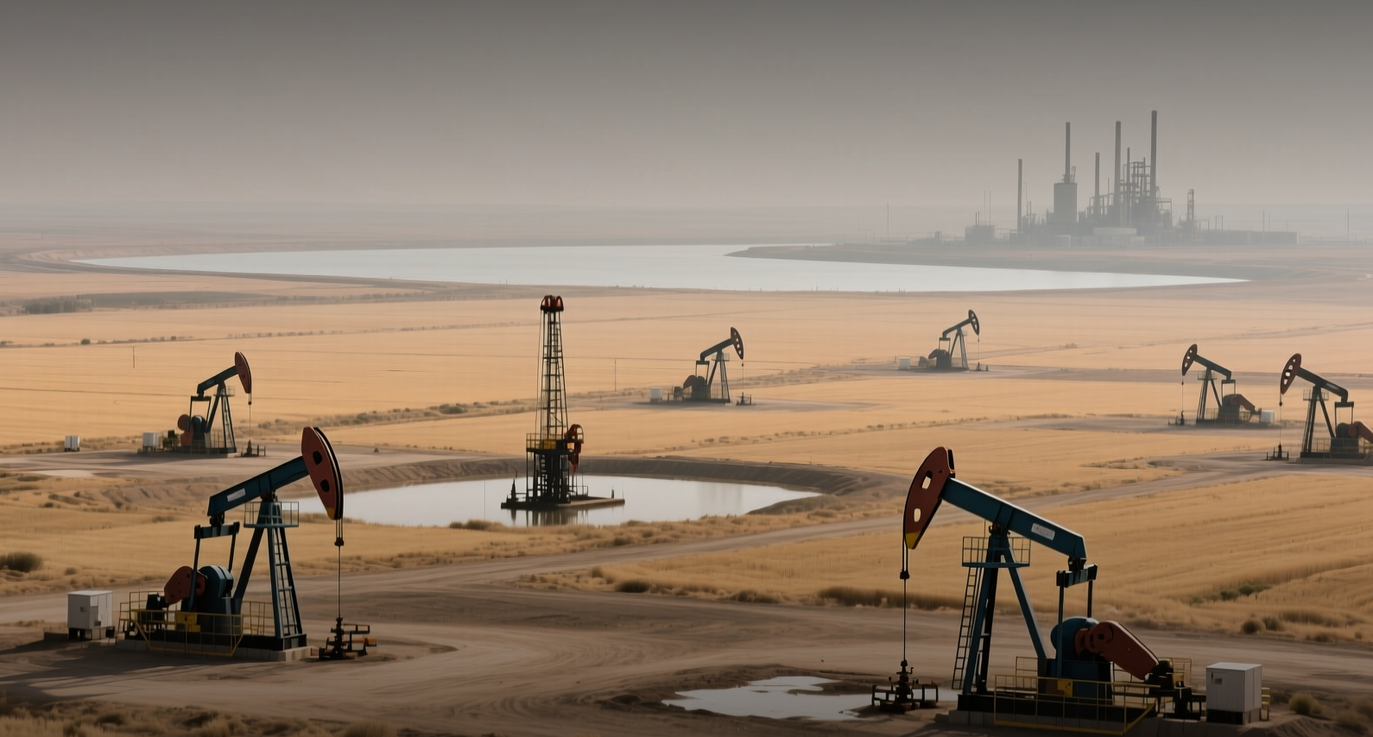
Venezuelan crude could enter US strategic petroleum reserves by November under a bilateral agreement, White House Deputy Press Secretary Anna Kelly said, as Washington takes a 35 percent equity stake in a Venezuelan oil producer.
"Oil from the agreement may enter US reserves in November," Kelly said in a Fox News interview, without specifying volumes or delivery logistics.
The Pentagon's Office of Strategic Capital will take a 35 percent equity stake in North American Blue Energy Partners, Venezuela's second-largest private oil producer, according to an administration press release. The firm received a 100-year concession covering oil fields estimated to hold about 65 billion barrels — roughly 21 percent of Venezuela's total estimated oil. The US gains the right to purchase 20 percent of the company's output at production cost, which can be used to refill the Strategic Petroleum Reserve, while the State Department holds first right of refusal on the remaining 80 percent.
The arrangement marks an unusual step for Washington, which rarely takes equity positions in foreign oil producers. The White House has framed the deal as serving dual purposes: securing supply for domestic reserves and countering geopolitical adversaries in the Western Hemisphere. The administration said "millions of barrels" produced in Venezuela will be processed by US refineries, though it did not specify a number or percentage.
November timeline and reserve refill
The November delivery target comes as the SPR has been drawn down repeatedly in recent years. Both the Trump and Biden administrations tapped the reserve to mitigate fuel price spikes triggered by the war in Iran and Russia's invasion of Ukraine, leaving it well below historical peaks. The ability to refill at production cost — rather than prevailing market prices — gives Washington a strategic hedge against future supply disruptions.
For global oil markets, the deal could add meaningful supply if production ramp-up proceeds on schedule. Venezuela holds some of the world's largest proven oil reserves, and the 65 billion barrels covered by the concession represent a substantial share of that resource base. However, the country's oil sector has suffered from years of underinvestment and US sanctions, and restoring production to levels that would meaningfully shift global benchmarks will require significant capital and time.
The deal also carries geopolitical weight. The White House has described it as part of a broader strategy to counter adversaries in the region, with commentators framing it as an extension of the Monroe Doctrine. By taking an equity stake in a Venezuelan producer and securing preferential access to its output, Washington gains leverage over a country that has historically aligned with Russia and China.
For energy markets, the central question is whether the deal translates into actual supply. If Venezuelan crude begins flowing to US reserves by November as Kelly indicated, it would mark the first significant sanctions-era oil flow from Venezuela to the US in years. Additional supply could put downward pressure on WTI and Brent benchmarks, particularly if it coincides with other supply increases from OPEC producers.
US refiners positioned to process Venezuelan heavy crude — well-suited to Gulf Coast refinery configurations — could benefit from increased feedstock availability. Producers competing with Venezuelan supply in the Atlantic Basin market may face margin pressure as incremental barrels reach the market.
Execution risk remains the key uncertainty. While the administration has outlined the equity structure and concession terms, actual crude deliveries depend on production ramp-up, logistics, and the resolution of remaining sanctions questions. Kelly's November timeline suggests the administration expects initial flows within roughly two months, but Venezuelan oil infrastructure has deteriorated significantly and may not support rapid production increases.
This article is for informational purposes only and does not constitute investment advice.
