
Trump's "Let Data Reign" post lands as $150 billion in data center projects face cancellation from local opposition ahead of midterm elections.
Trump's "Let Data Reign" post lands as $150 billion in data center projects face cancellation from local opposition ahead of midterm elections.
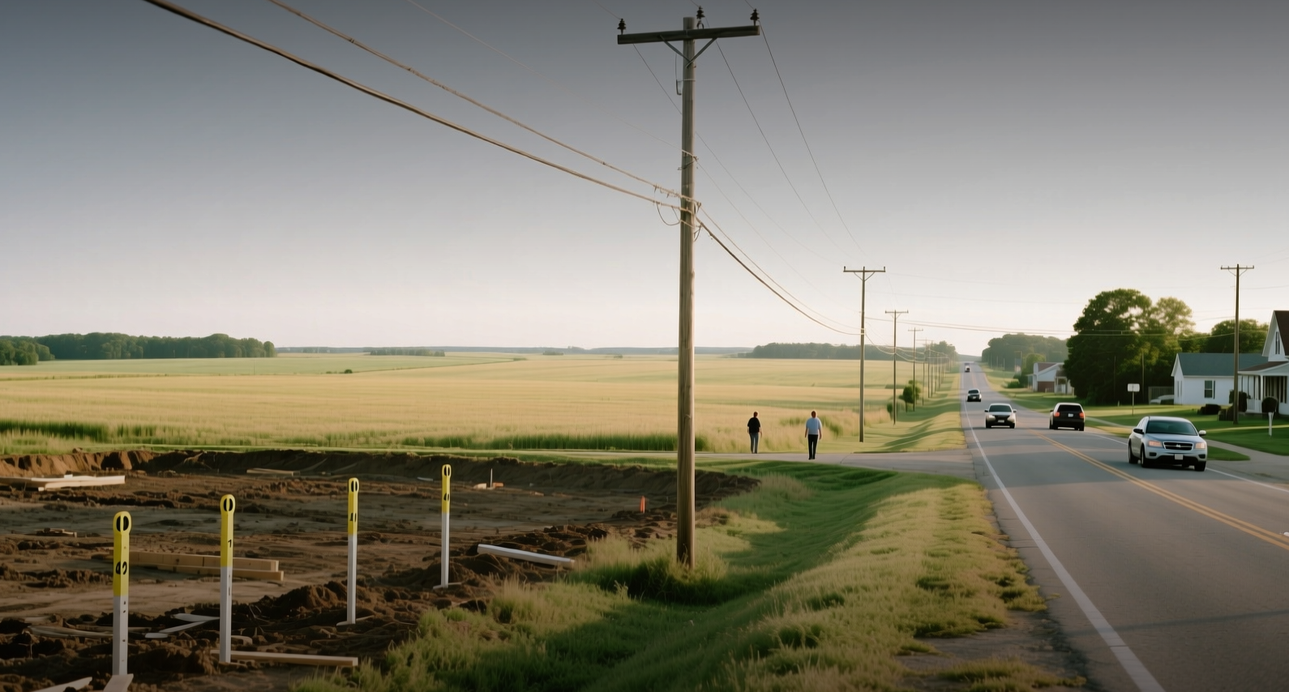
President Donald Trump on Aug. 31 defended AI data center construction on Truth Social, calling opposing communities "backwards and poor" as roughly $150 billion in projects face local pushback.
"If we kill the Golden Goose, you will only have yourselves to blame. China could not be happier with this anti Data Center movement," Trump wrote, signing the post with his name. He urged communities to "let Data Reign," arguing the facilities bring lower taxes and jobs. The president has previously called data centers "bigger than oil" for the U.S. economy.
The post lands as data centers have become a political liability for both parties. A Pew Research survey found 71 percent of Americans oppose data center construction in their communities — making them less popular than nuclear power plants. Texas Gov. Greg Abbott, a Republican who once championed the facilities, has effectively halted hundreds of projects in his state. Michigan GOP Senate candidate Mike Rogers called for a one-year moratorium on new developments, while Florida gubernatorial candidate Byron Donalds has flipped from welcoming data centers to criticizing them. New York Gov. Kathy Hochul issued an executive order pausing new data center construction for a year, and Pennsylvania Gov. Josh Shapiro has imposed new regulations after previously supporting the buildout.
The political conflict threatens to slow the AI infrastructure buildout that has driven record capital spending from hyperscalers including Microsoft, Amazon, and Alphabet. With midterm elections nine weeks away, the National Republican Senatorial Committee warned that data center backlash could hurt incumbent Sen. John Husted's reelection chances in Ohio. Trump himself acknowledged the industry needs a "PR rescue" in a recent interview.
A Silicon Valley-linked advocacy group connected to super PAC Leading the Future — which has raised more than $75 million from investors including Marc Andreessen, Ben Horowitz, and OpenAI co-founder Greg Brockman — announced a multi-million dollar public campaign promoting data center economic benefits in Kansas, Ohio, and Wisconsin ahead of November.
Vice President JD Vance, speaking en route to a Michigan campaign event, sought to soften Trump's message. "I think probably 99 percent of the backlash to data centers has come in areas where building a data center means higher utility and higher electricity for the people on the ground," Vance said. He argued that if developers build power capacity alongside facilities, "I don't think the data centers are that controversial."
The tension is acute in Michigan, where 79 data centers are operational and more than a dozen are under construction or planned — including hyperscale projects from Oracle and OpenAI in Saline Township and Google in Van Buren Township. Michigan GOP Chairman Jim Runestad helped organize a June rally calling for a temporary moratorium, saying developers offer "nickels and dimes" compared to what communities lose in utility costs and water resources.
Even Trump's own platform reflects the divide. Truth Social users — including self-described MAGA supporters — pushed back on the president's post, with one writing, "I don't think it's so much that we are against data centers. What we are against is our electric bill shooting through the roof and our water supply going low."
The $150 billion in shelved projects represents a material risk to the AI capex narrative that has driven valuations across the sector. Data center REITs including Equinix and Digital Realty, power utilities tied to AI infrastructure demand, and hyperscaler capital expenditure plans all face uncertainty as the midterm election cycle injects political risk into project timelines. Trump's vocal support and the Silicon Valley-backed advocacy campaign could support sentiment recovery, but the political calculus for Republican candidates in battleground states appears to be shifting against the industry. The defamation lawsuit filed by two Utah groups against data center investor Kevin O'Leary — who claimed without evidence that Chinese-backed groups were behind local opposition — shows how contentious the fight has become.
This article is for informational purposes only and does not constitute investment advice.
