

Key Takeaways:
- Tencent Yuanbao integrates with JD.com's AI Agent mini program ecosystem
- Users can search, compare, and purchase products within the chat interface
- Tencent shares rose 3.2% on July 15; UOB Kay Hian raised target to HKD 680
Key Takeaways:
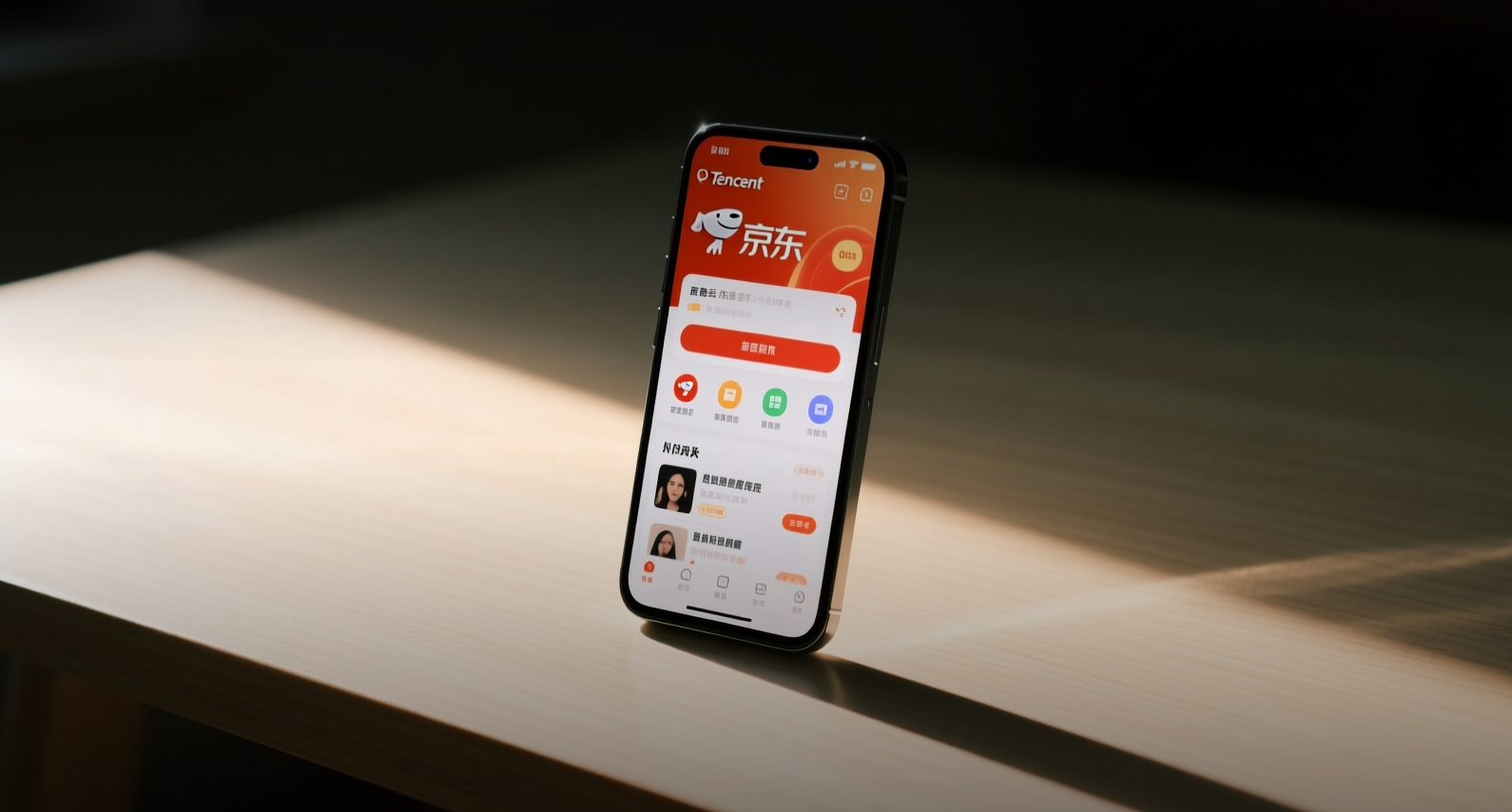
Tencent's Yuanbao AI assistant now lets users search and buy products from JD.com without leaving the chat.
Tencent's Yuanbao AI assistant now connects directly to JD.com's shopping mini program, letting users search, compare, and purchase products within a single chat interface.
"This integration creates a direct search-to-purchase funnel within conversational AI," analysts at UOB Kay Hian wrote in a note, raising their price target on Tencent to HKD 680 from a prior estimate and reiterating a Buy rating.
Users searching or asking about products within Yuanbao receive detailed comparisons, parameter breakdowns, and usage recommendations. The responses include clickable product cards that jump directly to JD's shopping mini program, completing the transaction loop without switching apps.
The move positions Tencent to capture a larger share of AI-driven commerce in China, where JD held about 15 percent of the e-commerce market in 2025. Tencent shares rose 3.2 percent to close at HKD 476 on July 15, with short selling volume reaching HKD 1.36 billion, or 15 percent of turnover.
The integration builds on Tencent's broader AI push. Its Hunyuan large language model, now in its Hy3 generation, has shown strong early momentum, according to UOB Kay Hian. The bank cited Yuanbao's growing user base and expanding use cases as drivers for its revised HKD 680 target, implying roughly 43 percent upside from the July 15 close.
For JD.com, the partnership provides a direct AI-powered distribution channel. The e-commerce giant's mini program ecosystem within WeChat already serves hundreds of millions of monthly active users. Adding Yuanbao as a product discovery layer could boost conversion rates and average order values, though neither company disclosed specific revenue-sharing terms.
The integration also intensifies competition with Alibaba's Taobao and PDD Holdings' Pinduoduo, both of which are developing their own AI shopping assistants. Alibaba's Tongyi Qianwen model powers product search within Taobao, while PDD has integrated AI recommendations into its Pinduoduo app. Tencent, trading at roughly 22 times forward earnings, will need to demonstrate that Yuanbao's commerce features translate into measurable advertising and transaction revenue to justify the premium.
This article is for informational purposes only and does not constitute investment advice.
