
Stock futures steadied as US-Iran strikes pushed oil above $71 and investors awaited Fed minutes.
Stock futures steadied as US-Iran strikes pushed oil above $71 and investors awaited Fed minutes.
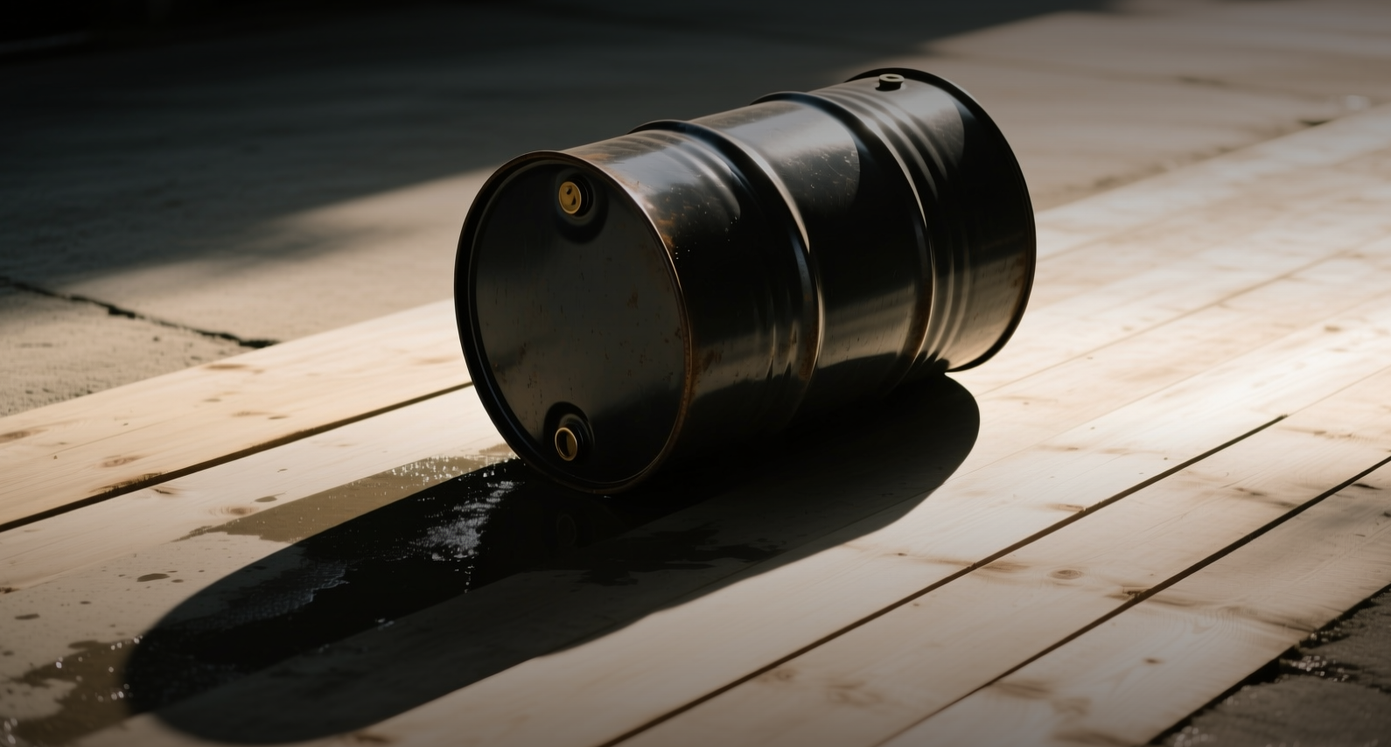
S&P 500 futures hovered near the flatline Wednesday as US strikes on Iran pushed oil above $71 a barrel and investors awaited minutes from the Federal Reserve's June policy meeting. The Dow Jones Industrial Average futures fell 53 points, while Nasdaq 100 futures edged 0.3% higher.
"The FOMC minutes will be a wildcard simply because Warsh was so opaque at the most recent press conference," Adam Crisafulli, founder of Vital Knowledge, said in a note. "Normally, Powell provided fairly comprehensive accounting of the meeting discussion, but that didn't happen with Warsh, so the minutes, which are likely to be hawkish in tone, could contain some surprises."
In Tuesday's regular session, the Dow fell more than 100 points after touching a fresh intraday record. The S&P 500 slipped 0.5%, while the Nasdaq Composite dropped 1.2% as chipmakers led the declines. West Texas Intermediate crude for August delivery rose 2.1% to $71.87 a barrel, while Brent for September climbed 1.9% to $75.53.
The escalation threatens to test a fragile ceasefire reached last month that reopened the Strait of Hormuz for commercial shipping after months of disruption. The Treasury Department revoked a license permitting Iran to sell oil globally, while the US Central Command said it had begun a "series of powerful strikes" against Iran in retaliation for attacks on three commercial vessels transiting the strait.
Asia Markets Slide as Chip Rout Deepens
Asia-Pacific markets fell broadly Wednesday, with South Korea's Kospi plunging 5.35% and entering a bear market roughly 20% below a record high reached June 19. The index was pressured by Samsung Electronics, which fell nearly 6%, and SK Hynix, which declined 2.45% — together accounting for more than 40% of the benchmark. Japan's Nikkei 225 closed 2.11% lower, while Australia's S&P/ASX 200 fell 1.36%. Hong Kong's Hang Seng Index bucked the trend, rising 3.18%, while mainland China's CSI 300 slipped 0.27%.
European stocks also sold off, with the pan-European Stoxx 600 falling 0.7%. Oil and gas stocks were the lone bright spot, rising 1.2% as crude prices climbed. Germany's DAX led losses with a 1% decline.
Oil Jumps as Hormuz Truce Unravels
The US military said it began strikes after three commercial vessels came under attack Tuesday, warning Tehran would face "heavy costs" for targeting commercial shipping. Iran responded by warning of a "large-scale retaliatory" operation against US bases across the Gulf region. The exchange marks the most serious test of last month's ceasefire that had allowed oil flows to resume through the critical waterway.
Gold, which had surged to an all-time intraday high of $5,626.80 in January on geopolitical fears, has now fallen more than 20% since the Iran conflict began in late February. August gold futures settled at $4,157.40 on Tuesday, down 0.2% for a fourth straight losing session. The precious metal has not closed below $4,000 since Nov. 6, 2025.
Trivariate Research founder Adam Parker said the technology sector remains central to the broader market's trajectory, with nearly three-fifths of S&P 500 earnings expansion over the next two years expected to come from tech. "You can't be bullish on the U.S. equity market and bearish on tech," Parker said on CNBC.
The Fed's June meeting minutes, due at 2 p.m. ET, will provide the first detailed account of Chairman Kevin Warsh's initial policy meeting, where officials left rates unchanged while indicating additional hikes could be warranted if inflation persists.
This article is for informational purposes only and does not constitute investment advice.
