

Snap is betting $2,195 per pair that consumers will pay a premium for camera-equipped smart glasses, a capital-intensive pivot that tests investor patience as the company struggles to reach sustained profitability.
Snap is betting $2,195 per pair that consumers will pay a premium for camera-equipped smart glasses, a capital-intensive pivot that tests investor patience as the company struggles to reach sustained profitability.
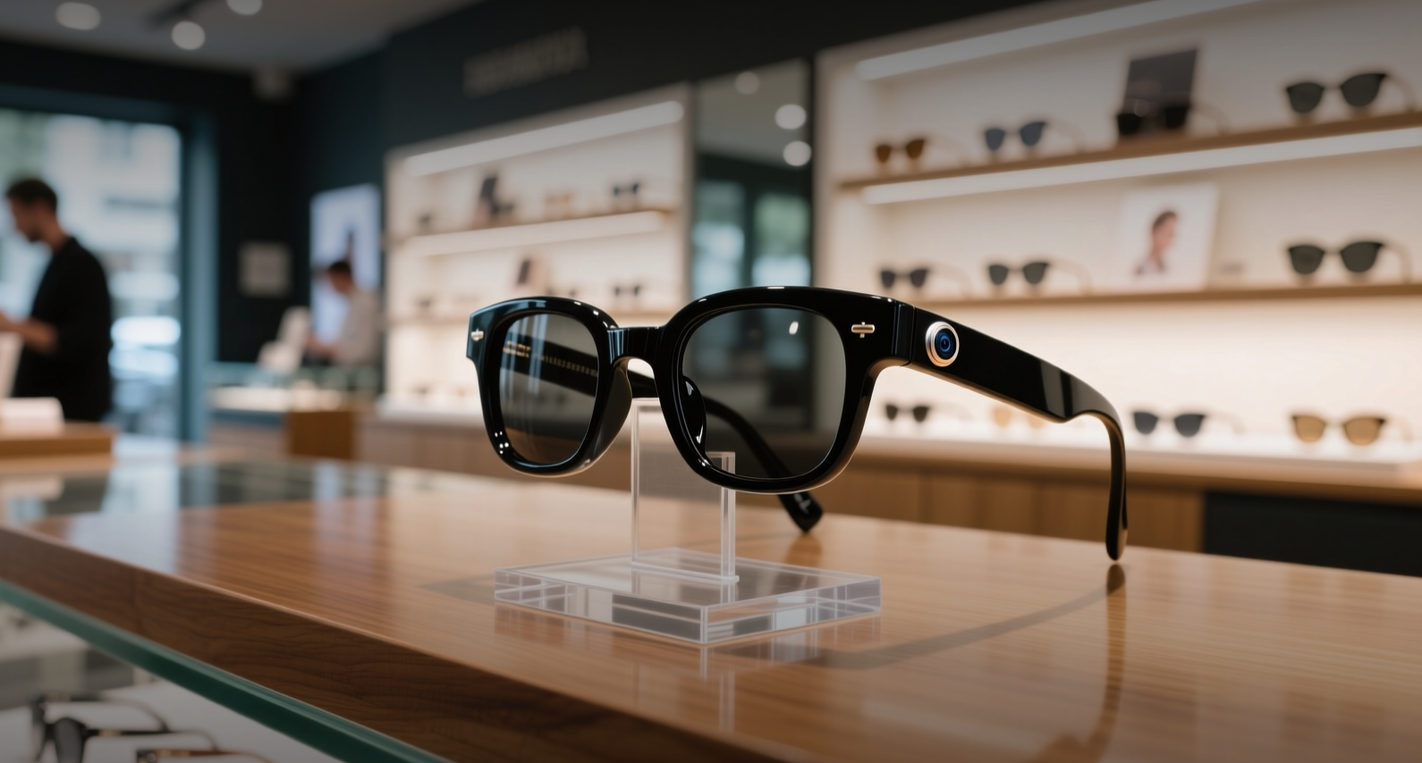
Snap is pushing into premium hardware with a $2,195 pair of smart glasses, a capital-intensive bet that could pressure margins and cash flow as the company continues to struggle with profitability.
The Wall Street Journal reported that Spiegel is doubling down on the hardware play even as some investors remain wary of the capital requirements. The report said a successful launch could diversify revenue beyond advertising, while underperformance would pressure margins and cash flow.
The $2,195 price point places Snap's glasses well above Meta's Ray-Ban smart glasses, which retail for roughly $300, and below Apple's Vision Pro at $3,499. Snap has not disclosed production volumes, bill of materials, or a launch date for the device. The company's hardware ambitions come as it continues to face profitability challenges.
For investors, the question is whether Snap can convert a niche hardware product into a meaningful revenue stream without further eroding profitability. The company's advertising business remains its primary revenue driver, and a hardware misstep could deepen losses in a segment that has historically been capital-intensive for consumer tech companies.
The Hardware Pivot
Snap's move into premium smart glasses represents a significant strategic shift for a company whose core business is advertising. The $2,195 price point targets a narrow segment of early adopters willing to pay for camera-equipped eyewear, a category that has seen mixed results from major tech companies.
Meta's Ray-Ban collaboration has been the most commercially successful smart glasses product to date, with the company reporting strong sales momentum at a fraction of Snap's price. Apple's Vision Pro, at $3,499, has struggled to find a mass audience since its launch. Google's earlier Glass experiment was widely viewed as a commercial failure.
Snap's positioning at $2,195 sits between these extremes, suggesting the company is targeting a premium but not ultra-luxury segment. The company has not disclosed the bill of materials or expected margins for the product, making it difficult for investors to assess the financial impact. Without clear unit economics, the hardware strategy carries execution risk that is hard to quantify from the outside.
Profitability Concerns
Snap has faced persistent profitability challenges, with the company's path to sustained net income remaining elusive. The hardware investment adds a new layer of capital intensity to a business model that already carries significant infrastructure costs.
Investors have been wary of the hardware strategy, according to the WSJ report, concerned that capital tied up in manufacturing and inventory could be better deployed toward advertising technology and user growth. The company's stock has been volatile, reflecting uncertainty about its ability to execute on multiple fronts simultaneously.
The success of the smart glasses bet will depend on consumer adoption rates and whether Snap can achieve manufacturing scale efficiencies. If the product gains traction, it could open a new revenue stream beyond advertising. If it fails, the capital invested could weigh on the company's already-thin margins.
For investors, the key metrics to watch are unit sales, gross margins on the hardware, and whether the product drives incremental engagement on Snap's platform. The company has not yet provided guidance on expected volumes or the timeline for profitability in the hardware segment. The hardware strategy also raises questions about whether Snap can compete effectively against Meta, which has far greater resources to invest in consumer hardware development and distribution.
This article is for informational purposes only and does not constitute investment advice.
