
Oil prices retreated from two-week highs Tuesday as traders weighed softer global demand forecasts against a deadlocked US-Iran negotiation over the Strait of Hormuz.
Oil prices retreated from two-week highs Tuesday as traders weighed softer global demand forecasts against a deadlocked US-Iran negotiation over the Strait of Hormuz.
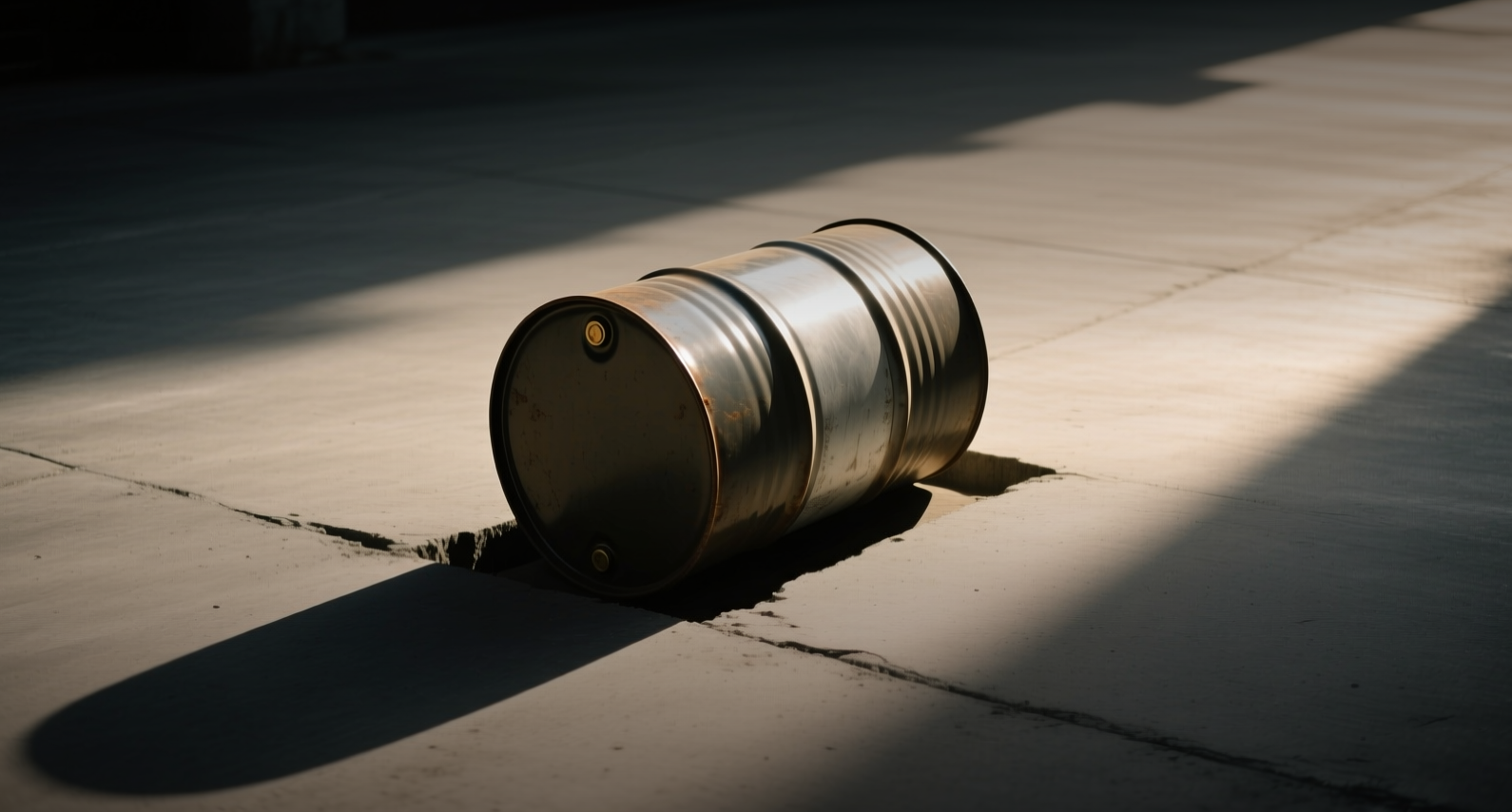
Oil prices retreated from two-week highs Tuesday as traders weighed softer global demand forecasts against a deadlocked US-Iran negotiation over the Strait of Hormuz, with West Texas Intermediate crude easing toward $83 a barrel after a four-session rally.
"The market is caught between a genuine supply risk in the Gulf and a demand picture that keeps softening," said Michael Lynch, president of Strategic Energy & Economic Research.
WTI crude traded at $83.77 a barrel, up 0.7 percent on the day but off earlier highs above $84, while Brent futures rose 0.4 percent to $89.26. Both benchmarks had climbed more than $1 in early trading before paring gains as attention shifted to US inventory data showing crude stockpiles rose 9.1 million barrels last week, according to the American Petroleum Institute.
The pullback eases some near-term inflation pressure ahead of Wednesday's US consumer price report, but the deadlock over the Strait of Hormuz — through which roughly 9 million barrels of oil pass daily — keeps a supply shock on the table that could reverse the decline and force the Federal Reserve to rethink its rate path.
Trading has been choppy all week as headlines from mediating nations Pakistan and Qatar offered intermittent signs of progress. Pakistan's defense minister said the talks were "close to some kind of agreement," briefly pushing prices into negative territory before supply headlines from Libya and Russia reasserted the bullish case.
The demand outlook has turned less supportive in recent weeks, with the EIA projecting Brent to average $86.81 a barrel in 2026 and WTI $80.88 — levels well below current spot prices. That forecast reflects expectations that Middle Eastern supply disruptions will ease over time, even as near-term risks persist.
Hormuz Deadlock Keeps Supply Risk Alive
Iran's Supreme National Security Council secretary Ali Rezaei said the blockade of the Strait of Hormuz would not be lifted unless the United States changes its approach and accepts Tehran's conditions, according to Reuters. President Donald Trump, responding to Iran's demand for compensation for damages from US-Israeli attacks, said he would seek compensation for past incidents caused by Iran, including the 2000 bombing of the USS Cole. The wide gulf between the two sides' demands leaves the outlook for negotiations highly uncertain.
Shipping data showed the number of vessels passing through the Strait of Hormuz fell to a weekly low of eight on Tuesday, down from the 125 to 140 that transited the waterway daily before the war. Attacks on shipping continued, with the United States and Iran-linked Yemeni Houthis reporting separate strikes in the Strait of Hormuz and the Bab el-Mandeb Strait. In Libya, a drone attack on a refinery in Zawiya caused a fuel tank fire, while Ukraine's military said it struck an oil refinery in Orsk, Russia.
CPI Test Looms as Inflation Bets Shift
The drop in crude prices comes as investors await Wednesday's July consumer price report, with economists expecting headline inflation to rise 0.1 percent month-on-month and core CPI to increase 0.2 percent. A stronger-than-expected reading could revive speculation of another Federal Reserve rate hike next month, with markets currently seeing the probability of such a move as evenly balanced.
The softer oil outlook has also weighed on the dollar's inflation hedge appeal, with gold easing from recent highs even as safe-haven demand persisted. Spot gold traded at $4,409.81 an ounce, up 0.5 percent, while the yen stayed weak at levels beyond 159 per dollar. Asian equities were subdued, with MSCI's broadest index of Asia-Pacific shares outside Japan last trading 0.2 percent higher.
The EIA expects significant disruptions to Middle Eastern oil supplies to continue through the end of 2027. If the Hormuz deadlock persists, energy-driven inflation could remain a live risk for central banks into next year, keeping the Federal Reserve and its peers cautious on easing even as demand softens.
This article is for informational purposes only and does not constitute investment advice.
