


Nevada's unanimous approval of up to 8,000 robotaxi permits hands Tesla, Uber, and Waymo the largest coordinated autonomous vehicle deployment in any US state.
Nevada's unanimous approval of up to 8,000 robotaxi permits hands Tesla, Uber, and Waymo the largest coordinated autonomous vehicle deployment in any US state.
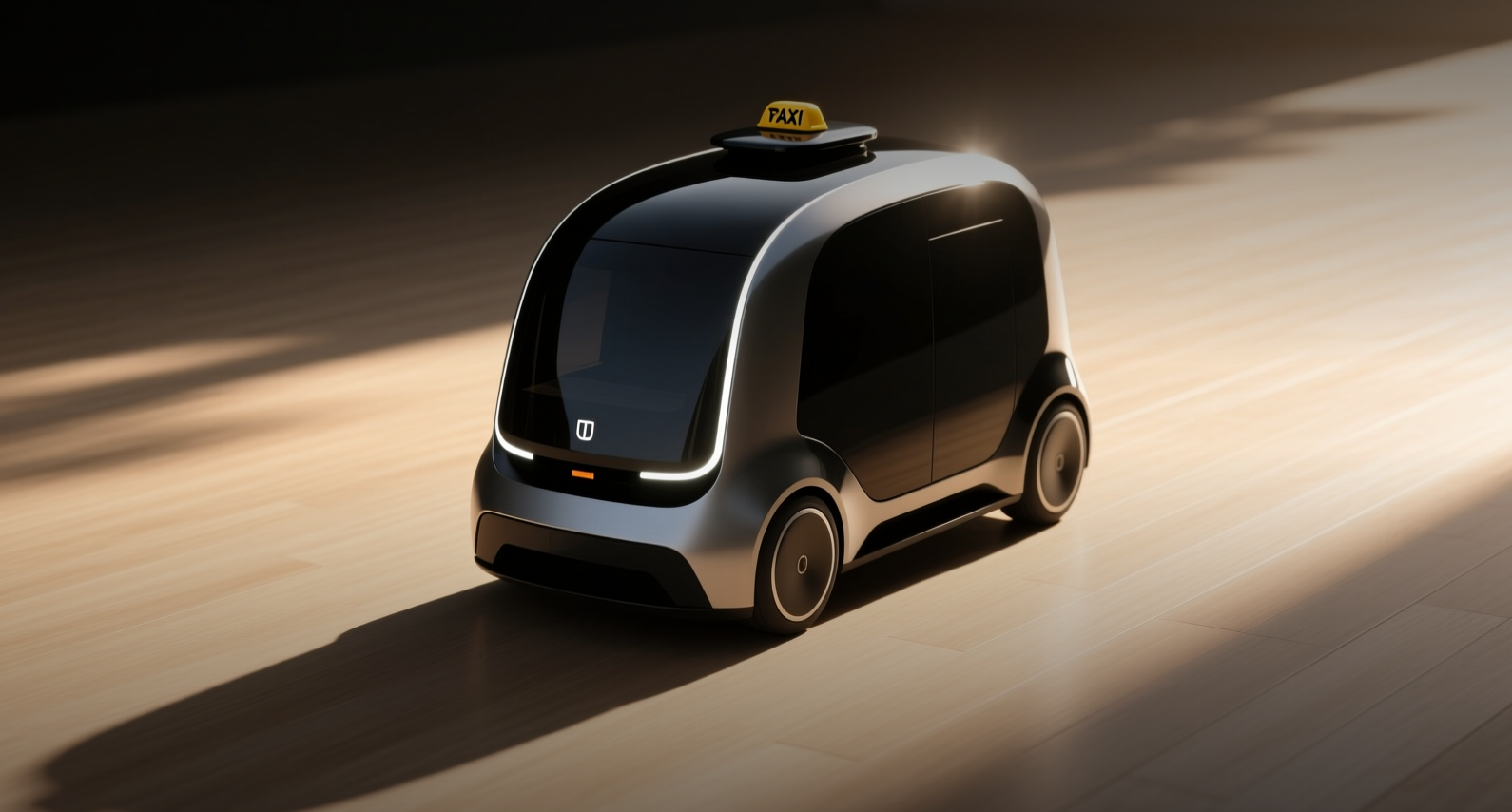
Nevada regulators cleared Tesla, Uber, and Waymo to deploy up to 8,000 robotaxis across Clark County over the next 12 months, turning Las Vegas into the country's most crowded autonomous ride-hailing market.
"The 5,000 has always been a ceiling for us," Eric Early, Tesla's Cybercab chief engineer, said during the Nevada Transportation Authority meeting. "I don't think we'll be in a position by this time next year to deploy 5,000 vehicles."
The permits break down as 5,000 for Tesla, 1,000 for Waymo, and 1,000 for Uber, which will operate through partnerships with Hyundai subsidiary Motional and Amazon's Zoox. Zoox already holds a separate permit for 100 robotaxis. Even at half deployment, Clark County would host more autonomous vehicles than any other US jurisdiction.
The approvals pit three distinct autonomous vehicle strategies against each other in one market. Tesla relies on camera-based vision, Waymo uses lidar-equipped vehicles with millions of logged miles, and Uber is taking a platform approach by integrating third-party robotaxis into its ride-hailing network.
The Nevada Transportation Authority voted unanimously Thursday on all three permits, a decision that drew opposition from the Livery Operators Association and local taxi companies. Kimberly Maxson-Rushton, a lawyer representing the association, raised concerns about "oversaturation of the commercial transportation industry" and "overcrowding of the roadways," specifically in the Golden Triangle area between the airport and Las Vegas Boulevard where most AV testing has occurred.
Uber has advocated for a hybrid model that requires robotaxis to operate on ride-hailing networks that also use human drivers, a stance that puts it at odds with Waymo. The company argued during the NTA meeting that gradual integration would let cities manage peak demand rather than flooding the market all at once.
Three tech stacks, one market
The three companies bring fundamentally different approaches to Nevada. Waymo, backed by Alphabet, has logged millions of autonomous miles in San Francisco and Phoenix using lidar sensors and carefully mapped geofenced areas. Tesla has bet on camera-based vision and neural networks, claiming its approach will scale faster and cheaper once the software matures. Uber, which shut down its own self-driving unit after a fatal 2018 crash in Arizona, is returning through partnerships rather than proprietary technology.
Motional has been testing in Las Vegas since 2018, operating in the downtown area and the Town Square shopping district. The Hyundai-Aptiv joint venture is not named in the latest permit round, though it will supply vehicles for Uber's 1,000-robotaxi allocation.
Workforce stakes
The deployment is expected to reshape Las Vegas's transportation workforce. Supporters argue the robotaxis will create new jobs in vehicle maintenance, charging, and fleet operations. Opponents, including the Livery Operators Association, warn the expansion could eliminate human taxi and gig driver positions at a scale the city has not experienced.
Nevada has been permissive toward autonomous vehicles since 2011, when it became the first state to authorize self-driving car testing. But this approval moves beyond controlled experiments on desert roads into commercial operations in one of the country's densest tourism corridors. The Strip's 24/7 traffic, drunk tourists, and unpredictable pedestrian behavior will stress-test the technology in ways pilot programs never did.
Tesla shares have fallen more than 25 percent year-to-date, with analysts pointing to margin compression and heavy capital expenditure on robotaxi and Optimus projects. The Nevada approval gives Tesla a regulatory runway to prove its Cybercab platform works at scale, though Early's own testimony suggests deployment will fall well short of the 5,000-vehicle ceiling. Waymo's parent Alphabet and Uber both stand to benefit from expanded total addressable markets for autonomous ride-hailing.
The next 12 months will determine whether the technology is ready for this moment. If the three companies can operate thousands of robotaxis safely in Las Vegas, other states are likely to follow Nevada's lead. A high-profile accident could set the industry back years and invite federal intervention.
This article is for informational purposes only and does not constitute investment advice.
