
Iran is routing its Hormuz demands through Pakistan as sanctions push the rial to record lows and oil traffic stalls.
Iran is routing its Hormuz demands through Pakistan as sanctions push the rial to record lows and oil traffic stalls.
Iran asked Pakistan to convey its Strait of Hormuz conditions to Washington, demanding US compliance with the Islamabad memorandum, as sanctions push the rial to 2.02 million per dollar.
"Iran's trading partners, both in the media and through messages sent to us, have made it clear that they don't take these statements into account anywhere," Mohammad Bagher Qalibaf, Iran's Parliament Speaker and lead negotiator, posted on X.
The rial dropped to 2.02 million per dollar as trading opened Monday, hours before Treasury Secretary Scott Bessent announced sanctions on nearly 60 Iran-linked entities and warned every country doing business with Tehran to sever financial ties or face retaliation. The official central bank rate stands at about 1.5 million rials per dollar. Since the war began Feb. 28, rice prices have risen 60 percent and beef more than 150 percent, while the IMF forecasts GDP will contract more than 5 percent this year.
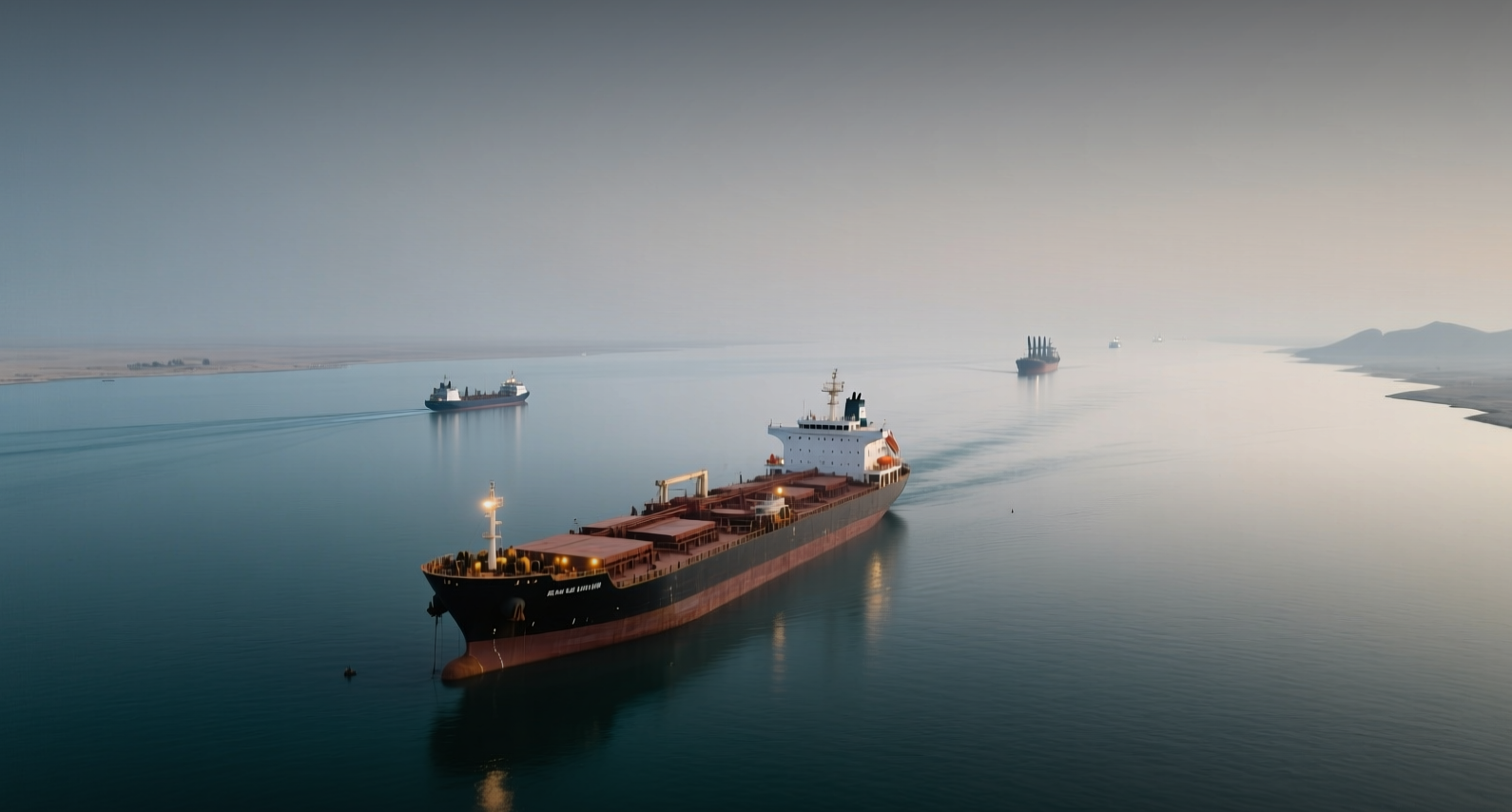
The Strait of Hormuz carries roughly a fifth of the world's traded oil, and Iran's attacks and threats on shipping have brought traffic through the waterway to a near halt. Tehran is refusing to fully reopen the strait unless it can charge ships, and is reportedly in final stages of agreeing on a joint management plan with Oman. Pakistan, which brokered the June ceasefire memorandum, sent a high-level delegation led by Army Chief Field Marshal Asim Munir to Tehran on Monday to push both sides back to negotiations.
Bessent dubbed the campaign "Operation Economic Outcast," saying President Donald Trump has been "making phone calls to world leaders with specific requests to cease their interactions" with Iran. The UAE announced last week it was suspending all trade and financial transactions with Iran after a reported missile attack on the Gulf country. Bessent said the UAE decision was "not a coincidence."
The sanctions list includes Hong Kong-based Sweet Ocean Industrial Limited, accused of helping Iran acquire laser optics equipment, and China-based Shenzhen Huamei, a service provider for Iran-linked logistics company BRE Line. Asked whether the US would target Chinese banks facilitating Iranian oil trade, Bessent said "no one is above the reach of U.S. sanctions," though the list notably excluded major Chinese entities.
Iranians are finding daily staples increasingly unaffordable as the currency's slide accelerates. In downtown Tehran, 73-year-old Sadegh Mahmoudi joined a line of about a dozen people to purchase US dollars with his remaining savings to hedge against further declines. "There is no hope for a deal and peace," he said.
The economic pressure has not yet translated into political pressure on Tehran. Iran retains a key strategic advantage: its control over the Strait of Hormuz, through which a fifth of the world's traded oil transited before the conflict. The war has devolved into a fight over who controls the waterway, with Iran now demanding the right to charge ships for passage.
Munir met Iranian Interior Minister Eskandar Momeni in Tehran, accompanied by Interior Minister Mohsin Naqvi and other officials. Trump spoke with Munir ahead of the army chief's visit, according to a person familiar with the discussion. Munir's previous visit to Tehran in May helped pave the way for the June memorandum of understanding between the US and Iran.
Iran's conditions, conveyed through Pakistan, include US compliance with the Islamabad memorandum, with Article 5 addressing Iran's management arrangements for the Strait of Hormuz. Iran has clarified in recent weeks that it has no intention of returning to direct negotiations until Washington adheres to the terms of the June agreement.
The last time Iran threatened to close the strait was in 2019, when the US reimposed sanctions after withdrawing from the nuclear deal. Brent crude spiked more than 20 percent within weeks before stabilizing as the threat receded. This time, with traffic already at a fraction of prewar levels and Iran demanding tolls for passage, the stakes for global oil markets are higher.
Defense Secretary Pete Hegseth said Monday he was not ruling out resuming strikes on Iran during a lull in hostilities, even as the administration pivots to economic warfare. Diminishing stockpiles of key weapons appear to have forced the shift, nearly six months into a war that has proven more costly than anticipated.
This article is for informational purposes only and does not constitute investment advice.
