

HPE's $5.9 billion backlog — fueled by a record $1.8 billion in AI systems orders — signals a structural shift as enterprises move AI workloads from the cloud to their own data centers.
HPE's $5.9 billion backlog — fueled by a record $1.8 billion in AI systems orders — signals a structural shift as enterprises move AI workloads from the cloud to their own data centers.
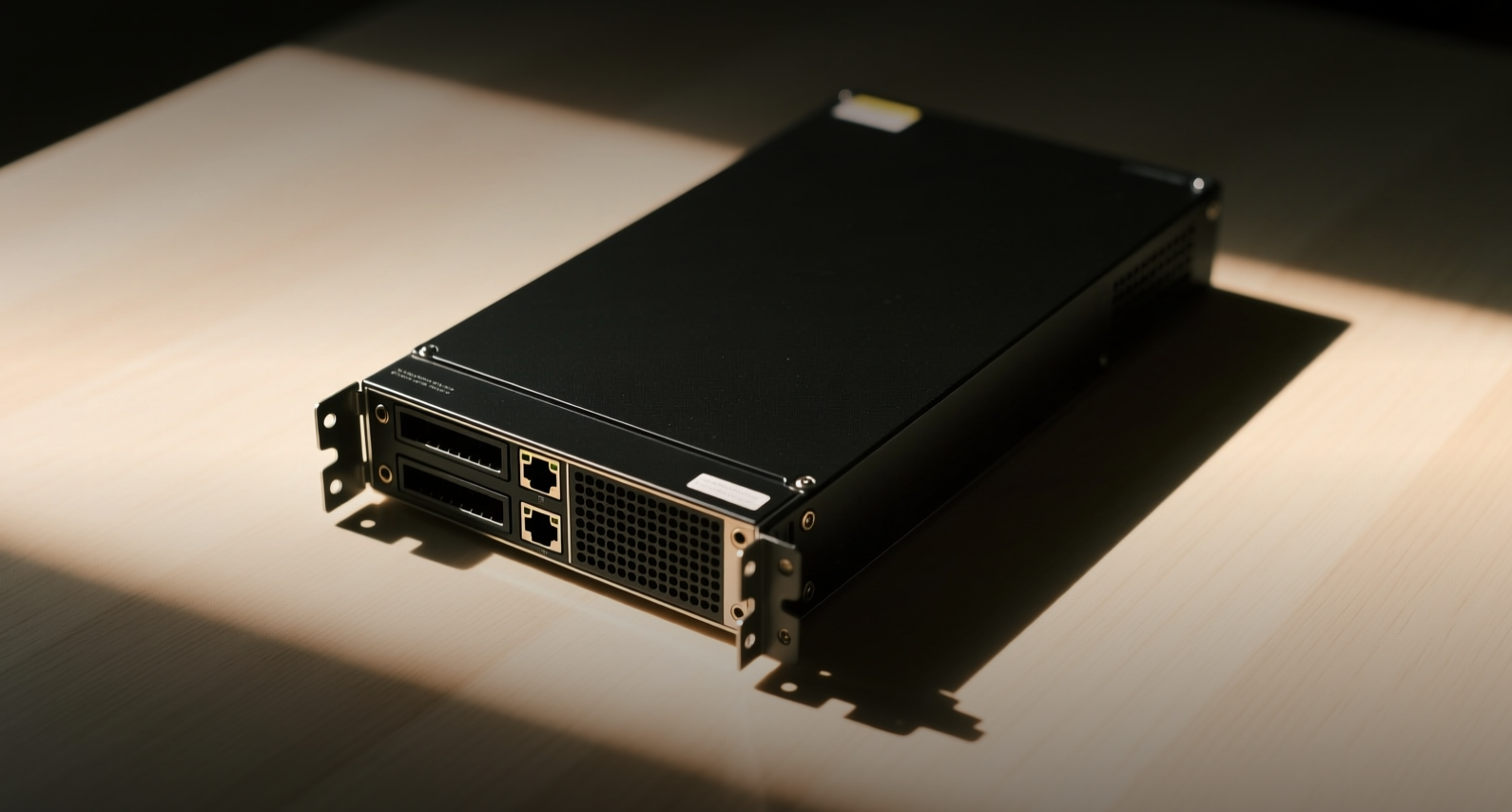
HPE's $5.9 billion backlog — fueled by a record $1.8 billion in AI systems orders — signals a structural shift as enterprises move AI workloads from the cloud to their own data centers.
Hewlett Packard Enterprise's $5.9 billion backlog, driven by a record $1.8 billion in AI systems orders in the fiscal second quarter, shows enterprises are building on-premises AI factories rather than renting cloud capacity from hyperscalers.
"Demand for Juniper's solutions is now pulling through larger deals for servers and storage," HPE management said on the second-quarter earnings call, citing the company's integrated compute, networking and storage stack. The company acquired Juniper Networks last year to offer a complete infrastructure package.
Networking revenue reached $2.7 billion in Q2, with segment operating margins of 21.6%, accounting for more than 40% of total operating income. Traditional server orders tripled in the same period as companies build out inference and agentic AI capabilities. HPE raised full-year earnings guidance by over 40% after the quarter, and cumulative AI bookings have reached $16.4 billion.
The shift to on-premises AI infrastructure — cheaper than cloud for high-volume inference and offering stronger data protection — positions HPE to capture a growing share of enterprise IT budgets. The stock, up 81% year to date, trades at roughly 13 times this year's earnings estimates, a discount to peers that could narrow as the backlog converts to revenue.
Running AI workloads requires graphics processing unit clusters and networking hardware that communicate without delays. If the network lags, expensive GPUs sit idle — a cost penalty that compounds at scale. HPE's Juniper acquisition lets it sell an integrated stack of compute, networking, storage and private cloud software, giving customers a single vendor for their AI factories.
The networking business now generates operating margins of 21.6%, far above HPE's corporate average, and pulls through larger server and storage deals. Competition from Cisco Systems and Arista Networks will be stiff, but broad-based enterprise demand for on-premises AI infrastructure should keep HPE busy. The company exited the quarter with orders growing faster than it can ship them.
Traditional server orders tripled in Q2 as enterprises built inference capabilities for AI applications. Running models on local hardware protects intellectual property and data, a concern that has driven some companies to pull workloads back from public cloud providers.
HPE faces industrywide supply shortages of components such as memory, which could slow the conversion of its $5.9 billion backlog into recognized revenue. Still, the order pipeline supports management's strategy to become the preferred provider of on-premises AI servers. The stock trades at roughly 13 times forward earnings, compared with Arista Networks at 38 times and Cisco at 16 times, according to data compiled by Bloomberg.
For investors, the question is whether HPE can sustain its growth trajectory as supply constraints ease and competition intensifies. The company's integrated hardware-plus-networking strategy gives it a differentiated position in the enterprise AI market, but converting the record backlog into consistent revenue growth will determine whether the stock's 81% year-to-date rally has further room to run.
This article is for informational purposes only and does not constitute investment advice.
