Seventy-one percent of US homeowners report higher insurance costs, with average premiums up 24% to $3,303 since 2021, a Pew Research Center survey found.
"The increases reflect rebuilding costs and severe weather, not homeowner fault," Nibby Priest, an independent insurance agent in Henderson, Kentucky, who has worked in the industry for 43 years, said.
A Consumer Federation of America analysis found the average premium rose $648, or 24%, from 2021 to 2024, reaching $3,303 a year, with increases in 95% of US ZIP codes. More than four in 10 homeowners say the rise has been steep. Swiss Re Institute said severe convective storms — wind, hail and tornado damage — caused $51 billion in insured losses globally in 2025.
The coverage gap is sharpest among lower-income homeowners, 17% of whom report having no insurance, versus 2% of upper-income homeowners. Raising deductibles or trimming coverage lowers the bill but shifts more risk back to the homeowner.
Priest pointed to three drivers: more frequent severe weather, sharply higher costs for building materials and labor, and rising reinsurance prices, where insurers buy coverage for major claims. Homeowners are often surprised that wind and hail deductibles differ from standard policy deductibles, he said.
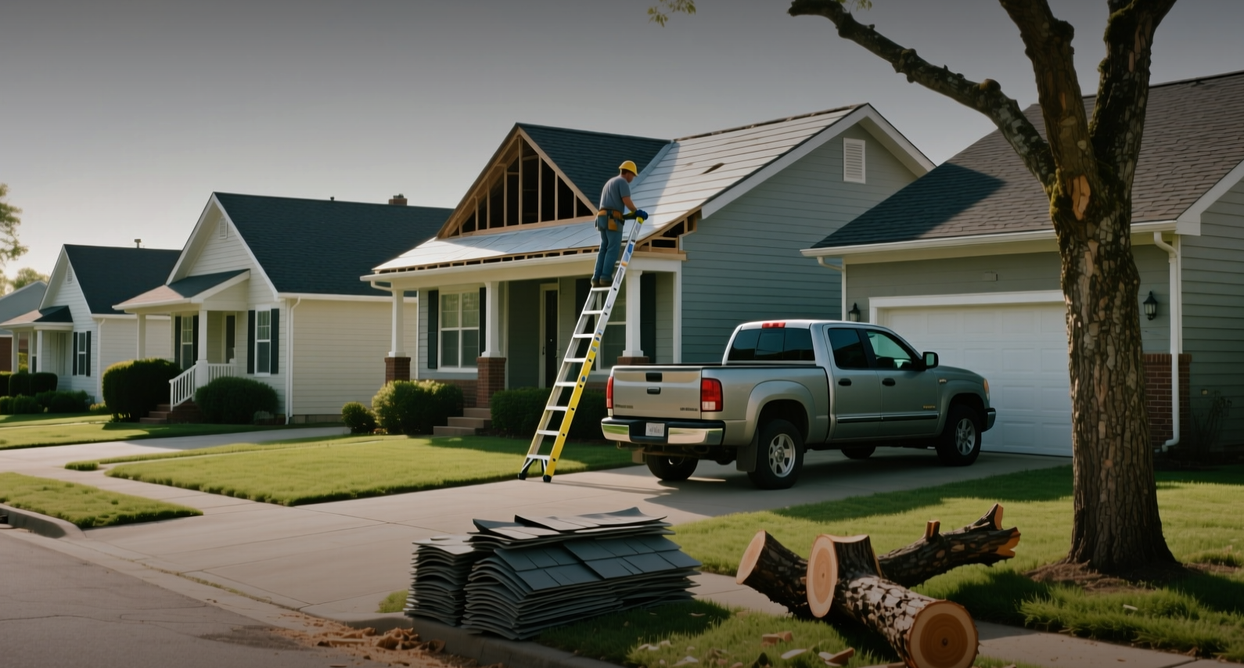
Insurance is tied to the cost of rebuilding a home after a covered disaster, not what the house sold for. When labor, materials and construction costs rise, the insurer's potential payout rises too, so premiums can climb even for homeowners who have never filed a claim. Severe convective storms have become one of the costliest categories for insurers, and the damage does not require an ocean view — hail damages roofs in minutes, wind knocks trees into houses, and heavy rain exposes leaks.
What homeowners should check
The first number to check is the dwelling coverage limit — the amount the insurer estimates it would cost to rebuild the home after a covered loss. That figure should reflect current local construction costs and is not the same as market value or the amount left on a mortgage. Homeowners also should check deductibles, especially separate ones for wind, hail, hurricanes or named storms.
Priest recommends reviewing policies yearly, checking roof age, bundling coverage and making sure limits match rebuilding costs. "The goal is not to find the cheapest policy but to find the best policy that matches your particular home," he said.
The survey shows homeowners disagree on why premiums are rising — 62% of Democrats blame extreme weather versus 34% of Republicans, while 35% of Republicans blame government regulation versus 20% of Democrats — but they share the same problem: premiums rising while coverage may not keep pace. Priest expects rate pressures to continue in the near term but hopes increases moderate in coming years as the industry adjusts.
This article is for informational purposes only and does not constitute investment advice.