
Robbie Shell melted down most of her inherited family silver, keeping a few pieces and splitting proceeds among her sons and the SPCA.
Robbie Shell melted down most of her inherited family silver, keeping a few pieces and splitting proceeds among her sons and the SPCA.
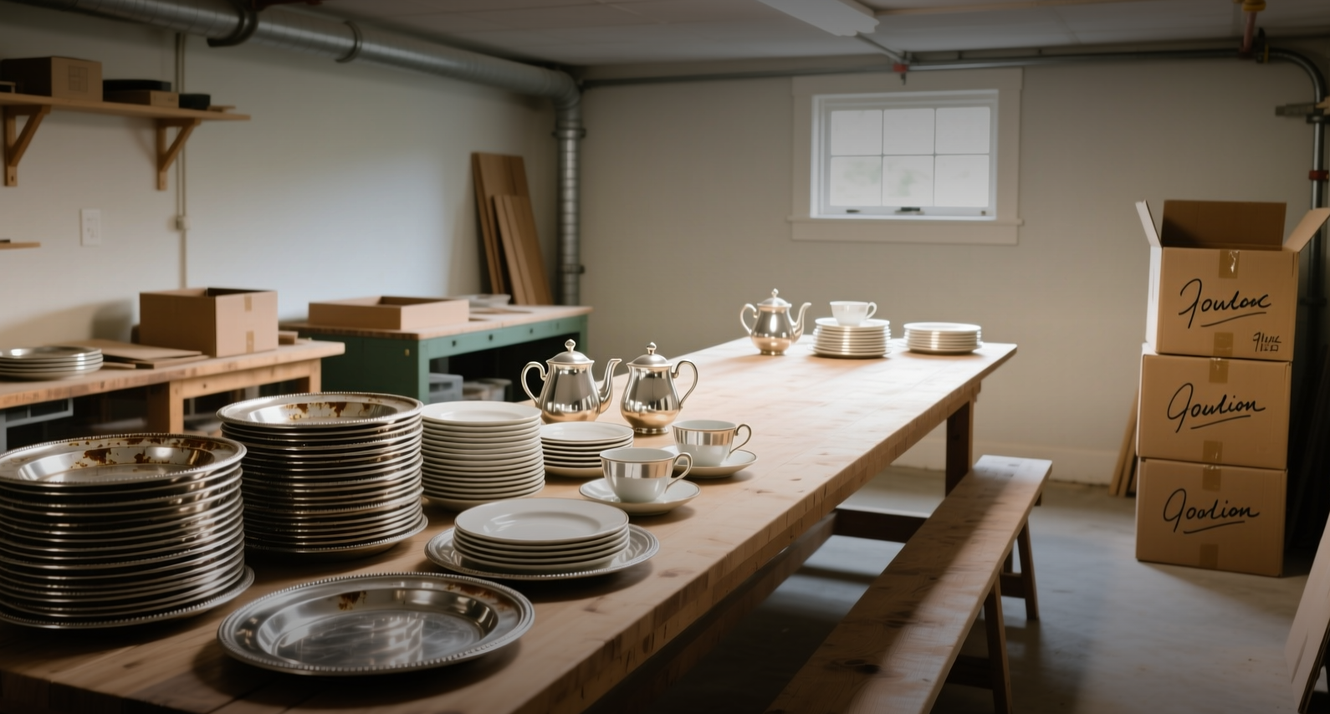
Inherited sterling silver sat unused in Robbie Shell's basement for years until a compromise split the proceeds one third to charity and two thirds to her sons.
"I like to think of our solution as a reverse form of alchemy, not an act of destruction," Shell, an author and journalist in Philadelphia, wrote in a Wall Street Journal essay. "Whereas the alchemists of old sought ways to turn base metals into gold, I am transforming a precious metal into gifts for the most important people in my life, family members both past and present."
Shell's dilemma began when two friends described turning in their family silver at a store advertising "top dollar" for gold, silver, jewelry, coins and other valuables. Both women expressed relief at having sorted the task, and neither had second thoughts. Shell's own collection — place settings, trays, a tea set and other pieces passed down from her mother — had never been used, and her adult children had no interest in it.
Her husband was all for selling. The cash would fund a family vacation or serve as a gift to their sons, "a gift they would welcome more than anything else we could offer." The sale fit a broader downsizing effort already in progress, following one of the dictates of retirement: less stuff, more experiences. The family had already cleared out rugs, chairs, couches, mirrors, prints, dishes, kitchen appliances, outdated book sets and other items saved for years in the hopes that their children would want them — they didn't.
But Shell hesitated. Even in its tarnished state, the silver was "breathtaking" — works of art that, once melted down, could never be reclaimed or replicated. Being complicit in their destruction "seemed almost sacrilege." Polishing the pieces, though unexpectedly hard work, also inspired a sense of satisfaction, an appreciation for the beauty her manual labor uncovered. Like a pentimento, their brilliance gradually appeared from beneath the tarnish, reflecting her face in their mirrored surfaces.
Her final defense of the silver was family: she wanted her mother, or at least the memory of her, to have a say in the debate. Her mother's expectation from the beginning was that Shell would cherish the gift and pass it on to her children, just as she had done. Her conviction showed in the careful way she packed away every piece, writing Shell's name in her distinctive cursive script across the top of each box.
Her husband wasn't buying it. Regret at some future date, and probably never, he said, wasn't a reason to keep "the stuff" around now. Shell conceded the point: the lifestyle that had once been important to her mother had never been important to her, and polishing silver was realistically never going to be part of any household routine.
The final reckoning was a compromise: save a few of the most beautiful pieces and melt down the rest. Take the money and donate one third to the Society for the Prevention of Cruelty to Animals, her mother's favorite charity, and one third to each of their sons.
The decision reflects a broader question facing retirees: what to do with inherited possessions that carry emotional weight but no practical use. As Shell noted, the family had already cleared out decades of accumulated household items in the hopes that their children would want them — they didn't. The silver was the last major category of inherited property to be resolved.
For Shell, the resolution honors both her mother's memory and her family's present needs. The silver is transformed, not destroyed — a legacy converted into gifts for the people she cares about most, from her sons to the animals her mother loved.
This article is for informational purposes only and does not constitute investment advice.
