Costco Wholesale Corp. has built the most unusual business model in American retail: a warehouse club that generates 29.1% return on equity while running on just 3.01% profit margins.
Costco reported fiscal Q3 net income of $2.19 billion, up 15.19% from a year earlier, on revenue of $70.53 billion that rose 11.58%. The numbers look ordinary for a retailer until you examine how they work together. Trailing operating margin sits at 3.67%, yet the company delivers returns that rival technology companies.
The secret is an inverted working capital cycle. Costco sells inventory before its supplier invoices come due, meaning vendors effectively finance the shelves. Consumer advocate Clark Howard has long pointed out that few big-box retailers can match this cash flow dynamic. The company's reported gross margin of 11.04% in Q3 2026 is among the lowest in retail, but inventory turns fast enough to fund itself.
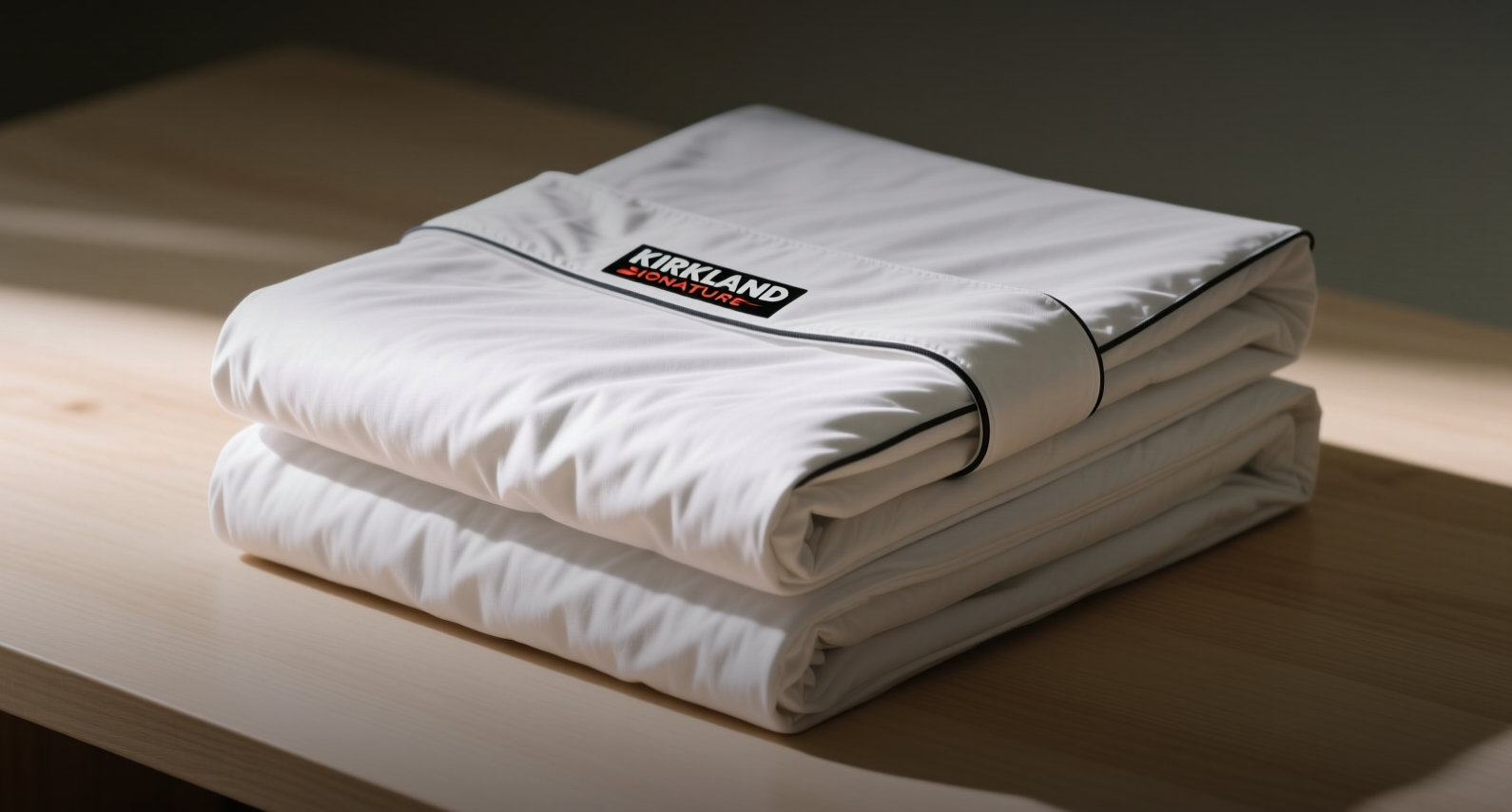
"The goal is to be the first to lower prices and last to raise them," CEO Ron Vachris said on the fiscal Q3 2026 earnings call. He cited specific Kirkland Signature price cuts, including Crispy Wings reduced to $14.99 from $16.99 and king-size sheets to $79.99 from $89.99. CFO Gary Millerchip added that new Kirkland items offer "savings of at least 15% to 20% to the national brand equivalent with equal or better quality."
The membership engine is the other half of the equation. Membership fee income hit $1.37 billion in Q3, up 10.7%, with 82.9 million paid members and a 92.2% U.S. and Canada renewal rate. Executive memberships grew 9.6% to 41.2 million and now drive roughly three-quarters of sales. That recurring high-margin revenue stream lets Costco operate its core retail business at near-zero margins while still compounding returns.
June 2026 net sales came in at $29.24 billion, up 10.6%, with digitally enabled comparable sales up 20.9%. But adjusted comparable sales — stripping out gasoline prices and foreign exchange — eased to 7% for the total company, down from 8% in May and 7.8% in April. The stock fell about 4% on the news to roughly $913, landing 17% below its 52-week high.
Valuation remains the central tension for investors. RBC Capital Markets initiated coverage with a Sector Perform rating and a $1,000 price target, praising the model but flagging the stock at roughly 37 times fiscal 2028 EPS. Shares trade at about 46 times trailing earnings, nearly double the S&P 500's multiple of 25. The bear case is valuation compression if growth continues to decelerate. The bull case is that Costco keeps cutting Kirkland prices while members keep renewing near 90% and suppliers keep floating the inventory.
The pricing secret compounds as long as those three conditions hold. Costco's next catalyst will be its fiscal Q4 2026 earnings report, expected in late September, when investors will watch whether adjusted comparable sales stabilize or slip further. For shareholders, the 0.57% dividend yield and $1.47 quarterly payout offer modest income while the membership machine continues to generate cash.
This article is for informational purposes only and does not constitute investment advice.