
China's strategic positioning in the Middle East conflict is reshaping global reserve flows, with gold set to benefit and the dollar to weaken, strategists say.
China's strategic positioning in the Middle East conflict is reshaping global reserve flows, with gold set to benefit and the dollar to weaken, strategists say.
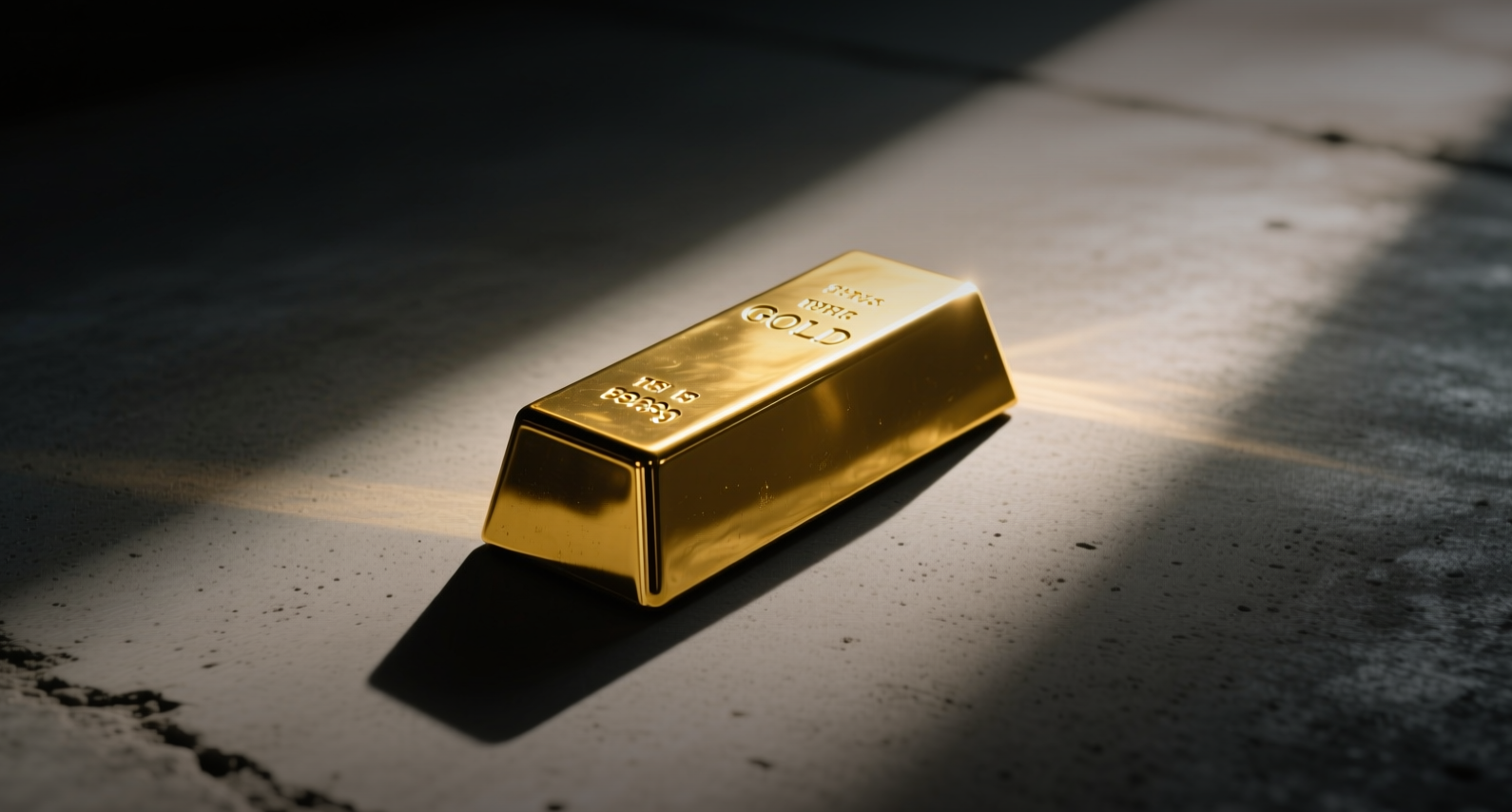
China's resilience through the U.S.-Iranian confrontation has positioned it as the conflict's primary geopolitical beneficiary, a shift that will drive gold prices higher and weaken the dollar over the medium term, a strategist said Thursday.
"China is winning the war in the Middle East, and gold and the dollar will start to feel it," a strategist at a global investment firm told MarketWatch, speaking on condition of anonymity. "The revolution in the world order is underway, and gold is the structural winner."
The strategist's assessment comes as Iraq emerges as a key intermediary in the regional realignment. Iraqi Prime Minister Ali al-Zaidi concluded a weeklong visit to the United States on July 19 that included meetings with American energy executives in Houston, part of a broader diplomatic push that also includes planned trips to Tehran, Riyadh and Ankara. Iraq's ability to maintain ties with both Washington and Tehran while deepening economic links with Beijing gives it what John Calabrese, a Middle East analyst at American University, described as the characteristics of an "intermediary state" — a country whose influence derives from its ability to remain connected to competing political and economic networks.
The conflict's economic toll is already visible in corporate results. Oatly Group, the Swedish oat-milk company, cited fuel-related logistics costs from the Middle East conflict as a headwind in its second-quarter earnings, with Chief Financial Officer Marie-José David saying the cost pressure was "largely fuel related, either directly in logistics or indirectly through areas such as packaging." The company absorbed the impact while maintaining its full-year adjusted EBITDA guidance of $25 million to $35 million.
Why gold and the dollar are in focus
The dollar's reserve currency status faces a structural challenge as China deepens its footprint in the region. Beijing is Iraq's leading trading partner and a major infrastructure investor, according to Calabrese's analysis. The Strait of Hormuz, through which about 21% of global oil trade passes, remains a flashpoint, with disruptions adding to inflationary pressures that benefit gold as a store of value.
The last time a major Middle Eastern conflict reshaped global alliance structures — the 1973 oil embargo — the dollar weakened 8% against a basket of major currencies over the following 12 months while gold surged more than 70%. The current dynamic differs in that China's role as both a trading partner and a potential alternative reserve currency backer gives it leverage that previous challengers to the dollar lacked.
For investors, the implications extend beyond gold and the dollar. A sustained shift in reserve allocations would affect Treasury yields, emerging-market currencies tied to Chinese trade, and commodity prices priced in dollars. The strategist's call implies that gold's recent rally — which has pushed prices toward the $2,500 level — has further room to run if de-dollarization accelerates.
This article is for informational purposes only and does not constitute investment advice.
