
China will tax mainstream lithium-ion and solar batteries while exempting next-generation technologies, raising costs for dominant manufacturers.
China will tax mainstream lithium-ion and solar batteries while exempting next-generation technologies, raising costs for dominant manufacturers.
China will tax mainstream lithium-ion and solar batteries while exempting next-generation technologies, raising costs for dominant manufacturers.
China will resume a consumption tax on lithium-ion and solar batteries from September, applying a 2% rate that doubles to 4% by 2028, while exempting next-generation technologies through year-end 2028.
"The policy adjustment follows the development of China's battery industry and will help promote resource conservation and environmental protection," the Ministry of Finance said in a statement carried by Xinhua on July 17.
Starting Sept 1, 2026, a 2% consumption tax applies to lithium-ion batteries, lithium primary batteries, nickel-metal hydride batteries, mercury-free batteries and vanadium redox flow batteries. That rate rises to 4% from Sept 1, 2027. Solar photovoltaic cells face a 2% tax from April 1, 2027, increasing to 4% from April 1, 2028. The previous policy, in place since February 2015, had exempted all seven categories.
The tax resumption adds cost pressure on China's battery manufacturing sector, where industry profit margins narrowed to 3.4% in the first five months of 2026, according to data from professional institutions. Domestic passenger vehicle sales fell 23.2% in June from a year earlier to 1.6 million units, while average gross profit per vehicle declined to about 11,000 yuan from 13,000 yuan last year.
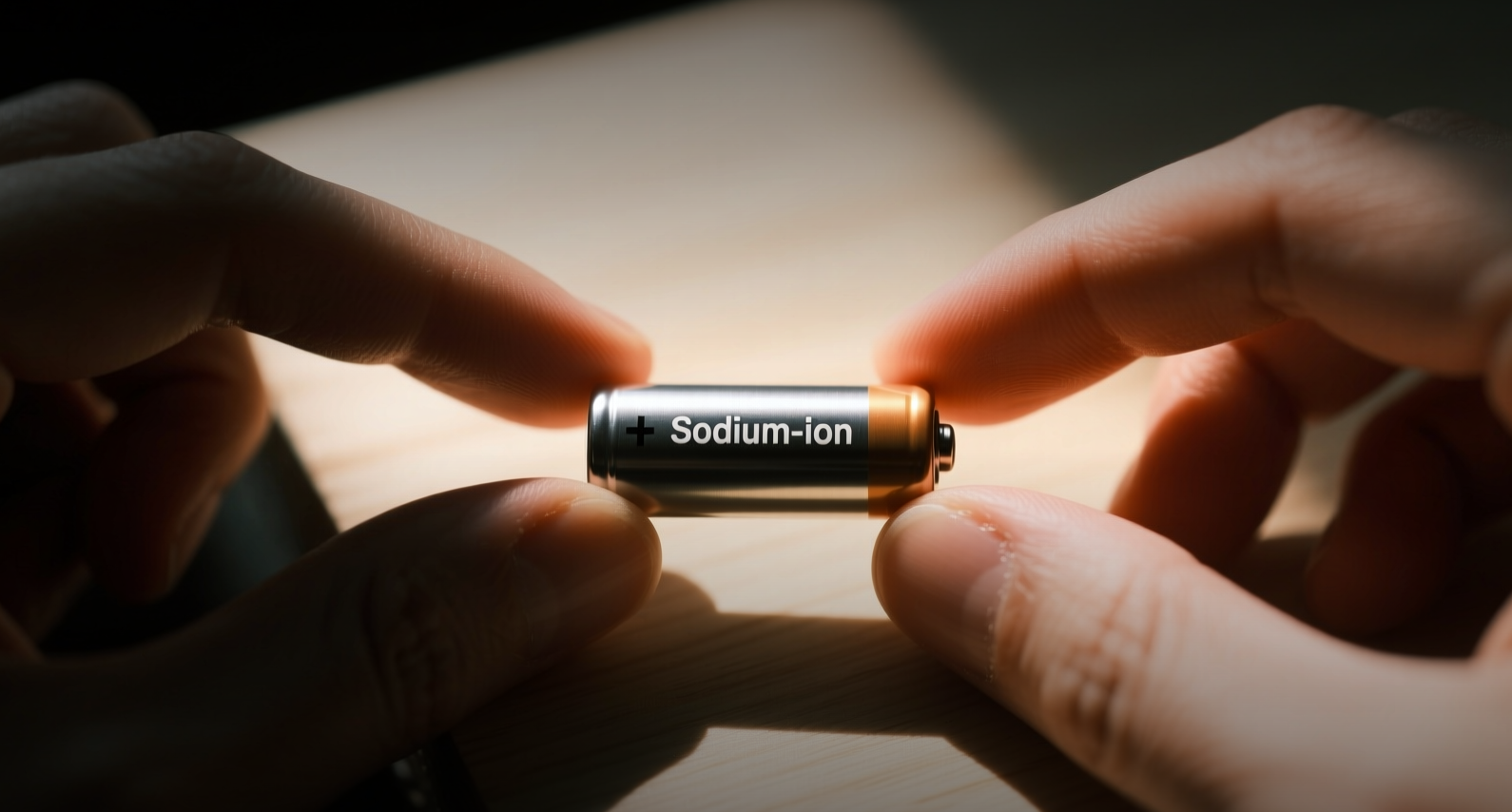
From Sept 1, 2026 through Dec 31, 2028, sodium-ion batteries, solid-state batteries, fuel cells and advanced photovoltaic technologies including perovskite, tandem and gallium arsenide cells are exempt from the consumption tax. The exemptions create a policy incentive for manufacturers to shift research and development toward these emerging chemistries, which are not yet produced at the scale of lithium-ion or conventional solar cells.
The tax differentiation mirrors a broader pattern in Chinese industrial policy. On July 3, the Ministry of Finance and two other agencies announced that plug-in hybrid and range-extended electric vehicles would lose their vehicle and vessel tax exemption from Jan 1, 2027, while battery electric and fuel-cell passenger cars remain fully exempt. Both policies reward technological advancement over established solutions.
China's battery and electric vehicle supply chain faces multiple headwinds. The European Union recently proposed extending anti-subsidy tariffs of as much as 45% to plug-in hybrid vehicles, while Brazil announced its import tariff on new energy vehicles would return to 35% from July. In response, Chinese automakers accelerated shipments, with exports to Brazil surging 178% year on year to about 380,000 vehicles in the first five months of 2026.
China exported 5.1 million vehicles in the first half of 2026, up 65.3% from a year earlier, with new energy vehicle exports reaching a record 523,000 units in June alone. But the export surge partly reflects temporary pull-forward effects before overseas tariff increases take effect, and rising dealer inventories may pressure shipments in the second half.
For battery manufacturers, the consumption tax compounds existing margin pressure. Contemporary Amperex Technology Co. and BYD Co., which together dominate global lithium-ion battery production, face higher costs on their domestic output. The phased implementation through 2028 provides time for adjustment, but the direction is clear: China is shifting from broad-based subsidies toward targeted support for technologies it considers strategically important.
This article is for informational purposes only and does not constitute investment advice.
