

Gold and silver just posted their strongest week of 2026, adding roughly $2.7 trillion in market value, while Bitcoin sat out the rally.
Gold and silver just posted their strongest week of 2026, adding roughly $2.7 trillion in market value, while Bitcoin sat out the rally.
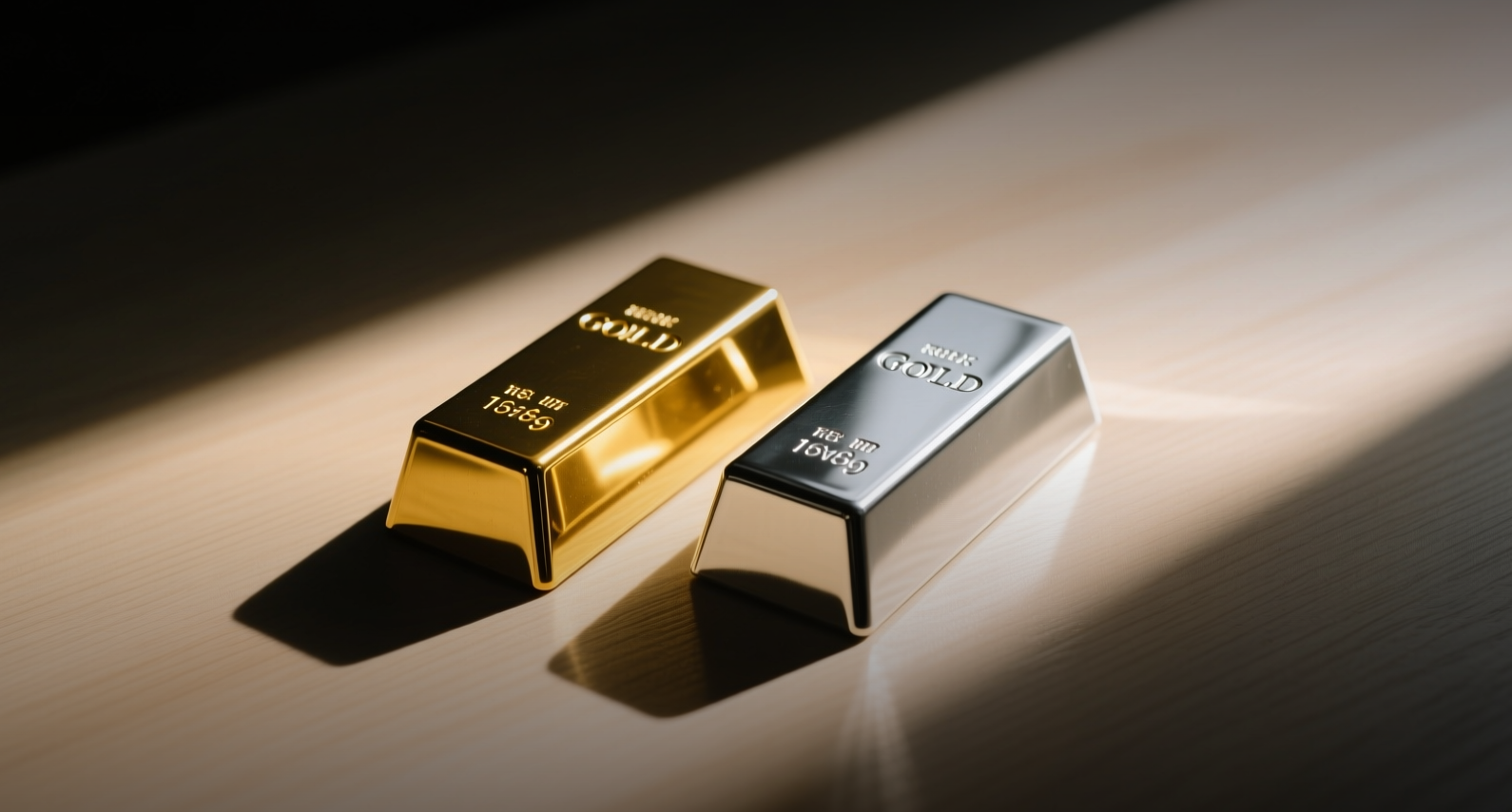
Gold and silver added roughly $2.7 trillion in market value this week, their strongest rally of 2026, while Bitcoin gained 0.7% to near $65,000.
"The bottom line is that the yen carry trade has broken down, and the yen is no longer a rates story. Until volatility subsides, it will trade on Japan's fiscal outlook rather than the interest rate gap," Torsten Slok, chief economist at Apollo Global Management, said.
Spot gold traded near $4,323 an ounce by late Friday and silver near $64, both multi-week highs, after gold climbed about 7% on the week and silver roughly 14%. The World Gold Council counts 219,891 tonnes of gold above ground at the end of 2025; at $4,323 an ounce that is worth about $30 trillion, so a 7% week adds close to $2 trillion in gold alone. Bitcoin's market value stood near $1.31 trillion.
The divergence turns on the yen. Japan and the United States bought the currency together on July 31, their first joint intervention since 1998, after the yen touched 163.99 per dollar, its weakest since 1986. It then firmed to 155.23, a gain of more than 5%. Market estimates put the two-day operation as high as $85 billion, with Bank of Japan flow data pointing to roughly $59 billion on the first session alone.
The link runs through borrowing. For years traders borrowed yen cheaply because Japanese rates sat near zero, then bought higher-returning assets elsewhere, including Bitcoin. A stronger yen makes those loans costlier to repay, so traders sell assets to cover them.
August 2024 is the case study. The BIS found that a Bank of Japan hike and weak US jobs data triggered a violent unwind; on Aug. 5 that year Japan's TOPIX fell 12% in a single day, the S&P 500 dropped 3%, and Wall Street's fear gauge spiked above 60. The BIS sized the trade at roughly ¥40 trillion, near $250 billion, in bank loans outside Japan by March 2024, with broader cross-border claims topping $500 billion.
So the yen just strengthened more than 5% in two sessions and Bitcoin barely flinched. Apollo argues the old rule that tied the yen to the US-Japan interest-rate gap broke after April 2, 2025, when tariff volatility hit the carry trade. On Aug. 6 the US 10-year yielded 4.64% against Japan's 2.76%, a gap of about 1.8 points, yet the yen kept sliding — Tokyo's record ¥122.31 trillion fiscal 2026 budget, with ¥31.28 trillion for debt servicing, now moves the currency instead.
The simpler answer is that metals had their own drivers. Brent crude fell more than 10% on the week after the United States and Iran agreed a two-week ceasefire, cooling inflation worries. Traders cut the odds of a September US rate increase to 55% from 63% a week earlier, according to Reuters, after the Fed held rates at 3.50% to 3.75% on July 29 in a 9-3 split. Lower rate expectations tend to help gold, which pays no interest; crypto did not capture that shift.
Two dates now matter. US jobs data lands first, then the Bank of Japan meets Sept. 17-18. It held at 1% in July, and Governor Kazuo Ueda warned that inflation risks point upward. Treasury Secretary Scott Bessent said Washington "will not hesitate to participate in further joint intervention."
If the yen squeeze persists, the carry-trade unwind that hammered risk assets in August 2024 could resurface, and Bitcoin's thin participation in this week's metals rally leaves it exposed to a sharper repricing. For now, the divergence shows safe-haven flows choosing gold and silver over crypto, a shift that could keep pressure on Bitcoin until the BoJ meeting clarifies the yen's path.
This article is for informational purposes only and does not constitute investment advice.
