

Bitcoin enters the second half of 2026 near a 21-month low, with the Federal Reserve's July rate decision set to determine whether the selloff deepens or a recovery takes hold.
Bitcoin enters the second half of 2026 near a 21-month low, with the Federal Reserve's July rate decision set to determine whether the selloff deepens or a recovery takes hold.
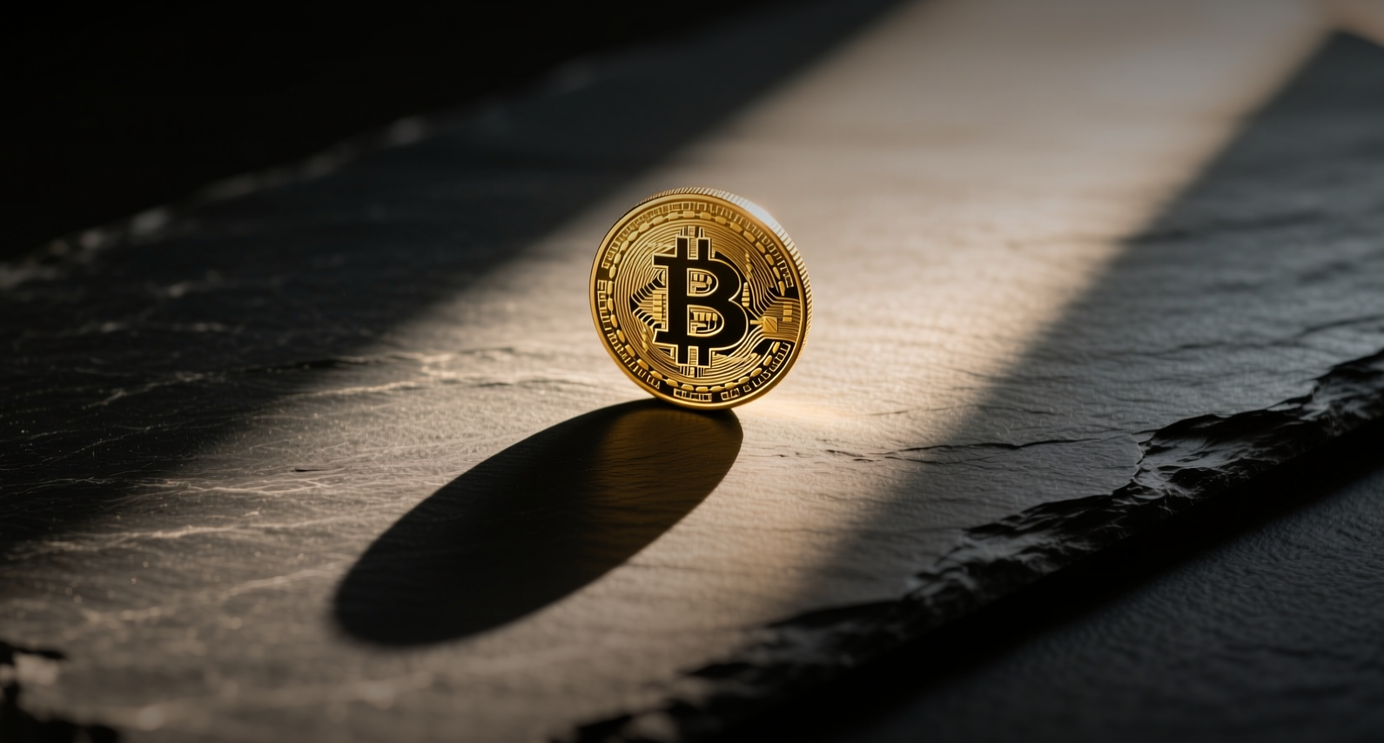
Bitcoin enters the second half of 2026 near a 21-month low, with the Federal Reserve's July rate decision set to determine whether the selloff deepens or a recovery takes hold.
Bitcoin fell 35% to near $60,000 in its worst half-year on record, with the Federal Reserve's month-end rate decision the next catalyst for the world's largest cryptocurrency.
"Rate-cut expectations have completely reversed since January, with interest-rate traders now pricing a 41% probability of a 25-basis-point increase at the July FOMC meeting," Steven Cress, head of quant at Seeking Alpha, said. A further 28% of traders expect a 50-basis-point increase, while 21% see rates unchanged, according to CME FedWatch data.
The selloff erased more than $600 billion from Bitcoin's market capitalization since the start of the year, when the token traded at $93,000. Spot Bitcoin ETFs listed in the US saw net outflows of roughly $4 billion in the second quarter, according to CoinShares data, as institutional demand cooled alongside the broader risk-asset retreat. Open interest in Bitcoin futures fell to $28 billion as of July 10, down from $42 billion in January, Coinglass data shows, while funding rates turned negative across major exchanges, signaling a predominance of short positions.
A hawkish hold or a rate increase at the July 29-30 FOMC meeting could push Bitcoin below the $55,000 support level for the first time since November 2024, according to technical analysis. A dovish surprise — such as signaling a potential cut later this year — would open a path back toward the $70,000 resistance zone. The outcome hinges on whether June's inflation data, due July 16, shows enough cooling to shift the Fed's posture.
The macro backdrop has been unforgiving for Bitcoin. Sticky US inflation, fueled by a surge in oil prices tied to the US-Iran conflict and the lingering effects of tariffs, has kept the Fed in tightening mode. The US Dollar Index held near 106 as of July 10, adding downward pressure on risk assets. The CNN Fear & Greed Index has moved into "fear" territory, down from "extreme greed" a year ago, reflecting the shift in investor sentiment.
Bitcoin's 35% decline year-to-date contrasts sharply with the S&P 500, which has gained 8.3% in the same period, as the rotation out of speculative assets into large-cap equities accelerated. Ethereum, the second-largest cryptocurrency by market cap, fell 42% to $2,840 over the same timeframe, underperforming Bitcoin as the broader crypto market shed more than $400 billion in combined value.
The July FOMC decision on July 30 will be the defining event for Bitcoin in the near term. If the Fed signals a pause or a pivot, Bitcoin could stage a recovery toward $70,000. If it delivers a hike, the $55,000 level becomes the line in the sand.
This article is for informational purposes only and does not constitute investment advice.
