
Washington is turning the G20 into a forum for building multilateral pressure on Beijing's export machine.
Washington is turning the G20 into a forum for building multilateral pressure on Beijing's export machine.
Washington is turning the G20 into a forum for building multilateral pressure on Beijing's export machine.
U.S. Treasury Secretary Scott Bessent will press G20 finance leaders to re-examine their trade terms with China, calling Beijing's $1.2 trillion trade surplus unsustainable and urging other nations to force a long-delayed shift toward domestic consumption.
"The world cannot have a China with a US$1.2 trillion trade surplus," Bessent said in a Reuters interview before the two-day finance ministers' meeting opening Monday in Asheville, North Carolina. "In China, the economy is quite weak, and they are trying to export their way out of it, and they need to rebalance their economy."
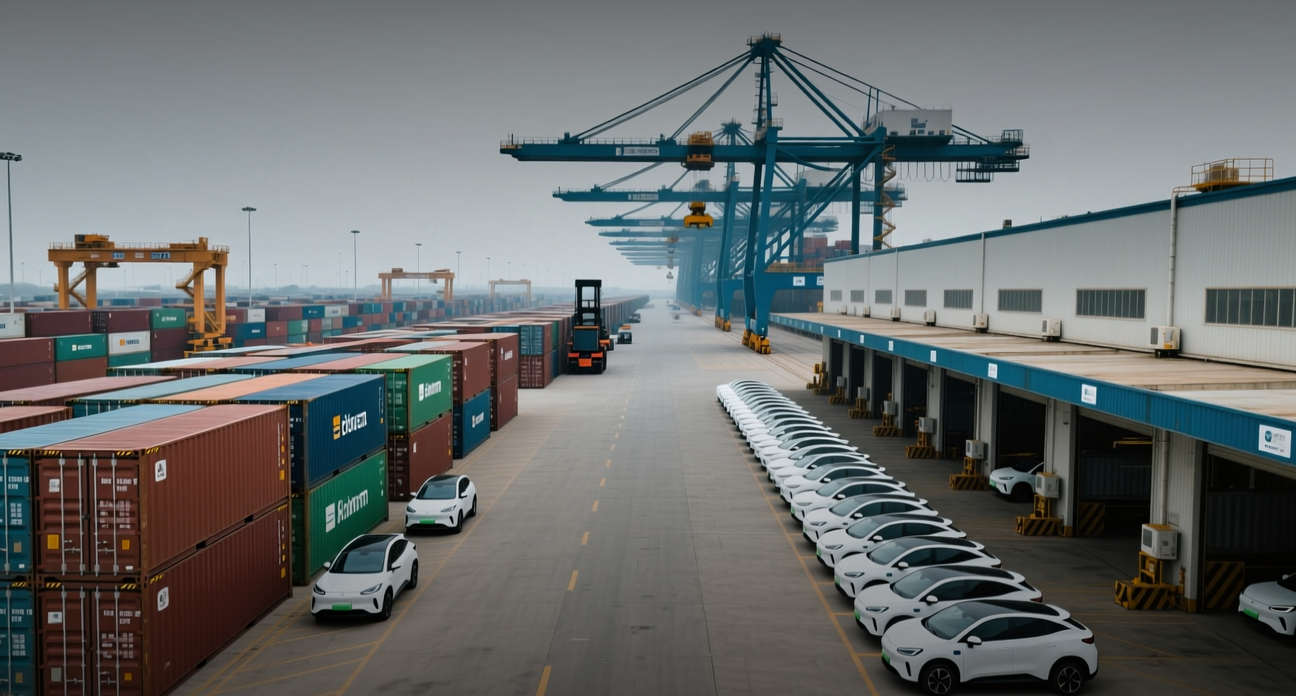
China's trade surplus hit a record $1.189 trillion in 2025, and total exports jumped 23.9 percent in July from a year earlier, driven by electric vehicles, semiconductors and other goods. The International Monetary Fund estimates the yuan is undervalued by 21 percent, though Beijing has shown little appetite for reducing industrial subsidies or pivoting toward consumer-led growth.
The push comes as the G20 gathering faces an unusually fraught backdrop — an escalating U.S. trade conflict with Canada, elevated energy and commodity prices from the closed Strait of Hormuz, and U.S. public debt that crossed $40 trillion on Aug. 19 after doubling since 2017.
Bessent acknowledged that Washington has already walled off much of its own economy from Chinese goods through steep tariffs and outright bans on certain products, including automobiles. That has pushed Chinese exporters to redirect shipments toward Europe and Latin America, intensifying pressure on those markets. "The rest of the world is going to have to examine their terms of trade with China," he said.
European officials attending the meetings are expected to raise concerns about the surge in Chinese exports hitting their industrial sectors, particularly autos. China's July export growth came even as the U.S. bilateral trade position with Beijing improves rapidly, with both countries advancing tariff reductions on $30 billion of non-strategic goods on each side.
Bessent has warned that countries continuing to purchase Iranian oil or facilitate transactions with Tehran will face secondary U.S. sanctions. On Friday, he imposed restrictions on a bank headquartered in Egypt, a G20 member, over links to Iran through its branches in the United Arab Emirates. The Treasury Department concluded those branches handled about $1.8 billion in illicit funds for front companies linked to Iran's defense ministry and the Islamic Revolutionary Guard Corps from 2024 until recently.
"Secretary Bessent will want to put Iran front and center and talk about tightening sanctions on Iran, and many countries around the G20 table will want to talk about anything else," said Josh Lipsky, international economics chair at the Atlantic Council. "They'll want to talk about tariffs."
Mark Sobel, a former U.S. Treasury official who negotiated G20 communiques under both Republican and Democratic administrations, said ministers attending the meeting "won't buy into soothing words." "Further, their economies are being adversely hit by Trump's war on Iran, which their countries don't support," said Sobel, now U.S. chair of the OMFIF monetary policy think tank.
The U.S. delegation faces its own scrutiny over fiscal policy. Yields on 30-year Treasury bonds reached their highest levels in 19 years this month before Bessent announced a doubling of scheduled buybacks of longer-dated debt to $4 billion per operation, a move that briefly cooled yields but drew criticism from his former Wall Street mentor, Stanley Druckenmiller.
On the yen, Bessent said the currency was "quite well controlled" even as it again approached the 160-per-dollar level, suggesting he does not see the disorderly moves that triggered the joint U.S.-Japan intervention on Aug. 1. He plans a separate meeting with Bank of Japan Governor Kazuo Ueda on the sidelines, saying Abenomics has reached its final stage.
China's Foreign Ministry pushed back on the surplus framing. "China never deliberately pursues trade surplus and opposes all forms of unilateral tariff measures," spokesperson Guo Jiakun said Monday, adding that the two countries should resolve issues through consultation based on equality and mutual respect.
The G20 was established as a leaders-level forum during the 2008 global financial crisis. Its last major collective action came in 2020, when members agreed to inject an additional $5 trillion into the global economy to counter the pandemic's damage. Bessent's push to reassert U.S. leadership follows years in which host nations steered the agenda toward climate change and wealth taxation.
The next test comes ahead of the Trump-Xi summit expected around Sept. 24 on the sidelines of the United Nations General Assembly in New York. Whether Bessent meets Chinese Vice Premier He Lifeng in person in Asheville will determine how much groundwork gets laid before that meeting — and how sensitive the yuan and Chinese equities remain to headlines out of North Carolina this week.
This article is for informational purposes only and does not constitute investment advice.
