
Key Takeaways:
- Bayer Q2 core EPS €0.95, beating €0.73 consensus, on Crop Science strength
- Group sales €10.87B and EBITDA €2.14B both topped analyst estimates
- Net debt outlook cut to €29B-€30B after Apollo's €3B investment
Key Takeaways:
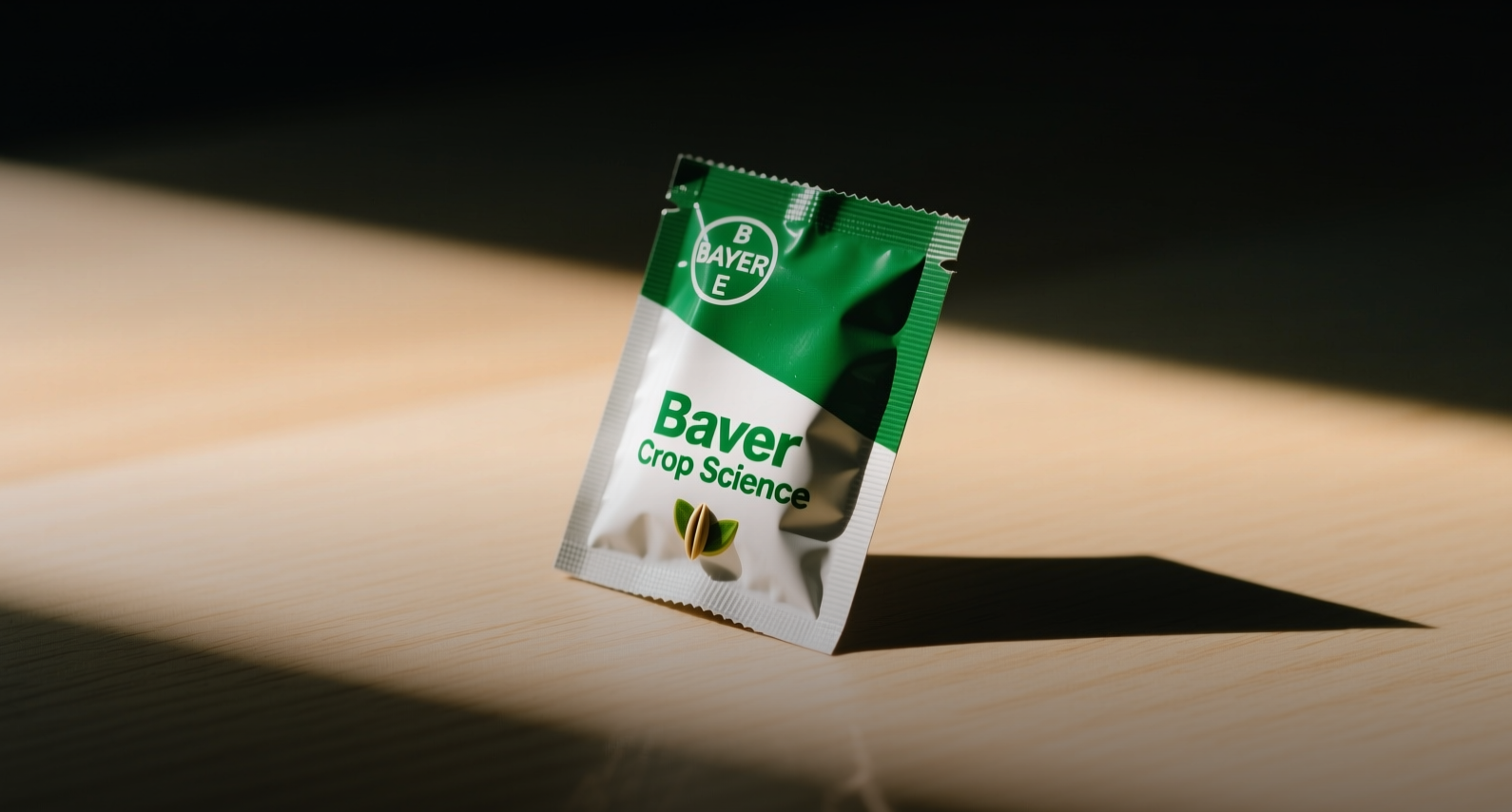
Bayer AG (ETR: BAYN) reported Q2 core EPS of €0.95, beating the €0.73 consensus, as Crop Science drove revenue and profit growth.
The U.S. Supreme Court ruling upholding federal preemption under pesticide regulations will significantly help contain ongoing Roundup litigation, the company said.
Group sales reached €10.87 billion, above the €10.68 billion consensus, while adjusted EBITDA rose to €2.14 billion from a €1.94 billion estimate. Net income swung to €219 million from a €199 million loss a year earlier, though it missed the €249 million consensus. Crop Science delivered strong revenue growth and higher earnings, supported by seed technology for crops used with the weedkiller dicamba. Pharmaceutical sales were broadly flat, while Consumer Health posted modest growth.
Bayer cut its full-year net debt forecast to €29 billion-€30 billion from €32 billion-€33 billion after Apollo Global Management agreed to invest €3 billion for a minority stake in its long-acting reversible contraceptives business. Shares have gained about 19 percent since the Supreme Court ruling in June, and investors will watch how CEO Bill Anderson strengthens the drug pipeline while reducing debt.
Core EPS declined 16.7 percent from €1.14 a year earlier, reflecting a normalization in tax expenses and weaker earnings in the Reconciliation segment. Pharmaceutical profits fell on higher selling expenses, while Consumer Health earnings were affected by increased costs, product mix changes, and unfavorable currency movements.
The Apollo transaction, expected to close in the second half of 2026, will create a new entity housing Bayer's long-acting reversible contraceptives business. Bayer retains majority ownership and full operational control. The investment provides capital to reduce leverage without diluting existing shareholders.
The Supreme Court's June decision reined in thousands of lawsuits claiming Roundup causes cancer, removing a threat of billions of dollars in additional damages and settlements. The ruling marked a significant legal victory for Bayer, which has faced years of litigation over the glyphosate-based weedkiller. Bayer reaffirmed all other 2026 financial guidance, including its sales and earnings forecasts on a currency-adjusted basis.
The earnings beat and debt reduction give Bayer more financial flexibility as it manages Roundup litigation costs and invests in its drug pipeline. The Apollo deal is expected to close in the second half of 2026, and investors will watch for further Supreme Court rulings affecting the remaining Roundup cases. The stock's 19 percent gain since June reflects growing confidence that the legal overhang is receding, but Anderson still faces the challenge of rebuilding a drug pipeline that has lagged competitors.
This article is for informational purposes only and does not constitute investment advice.
