

**Amazon's Alexa+ brings conversational AI to voice shopping across 5 food and grocery platforms, marking its biggest consumer AI push.
**Amazon's Alexa+ brings conversational AI to voice shopping across 5 food and grocery platforms, marking its biggest consumer AI push.
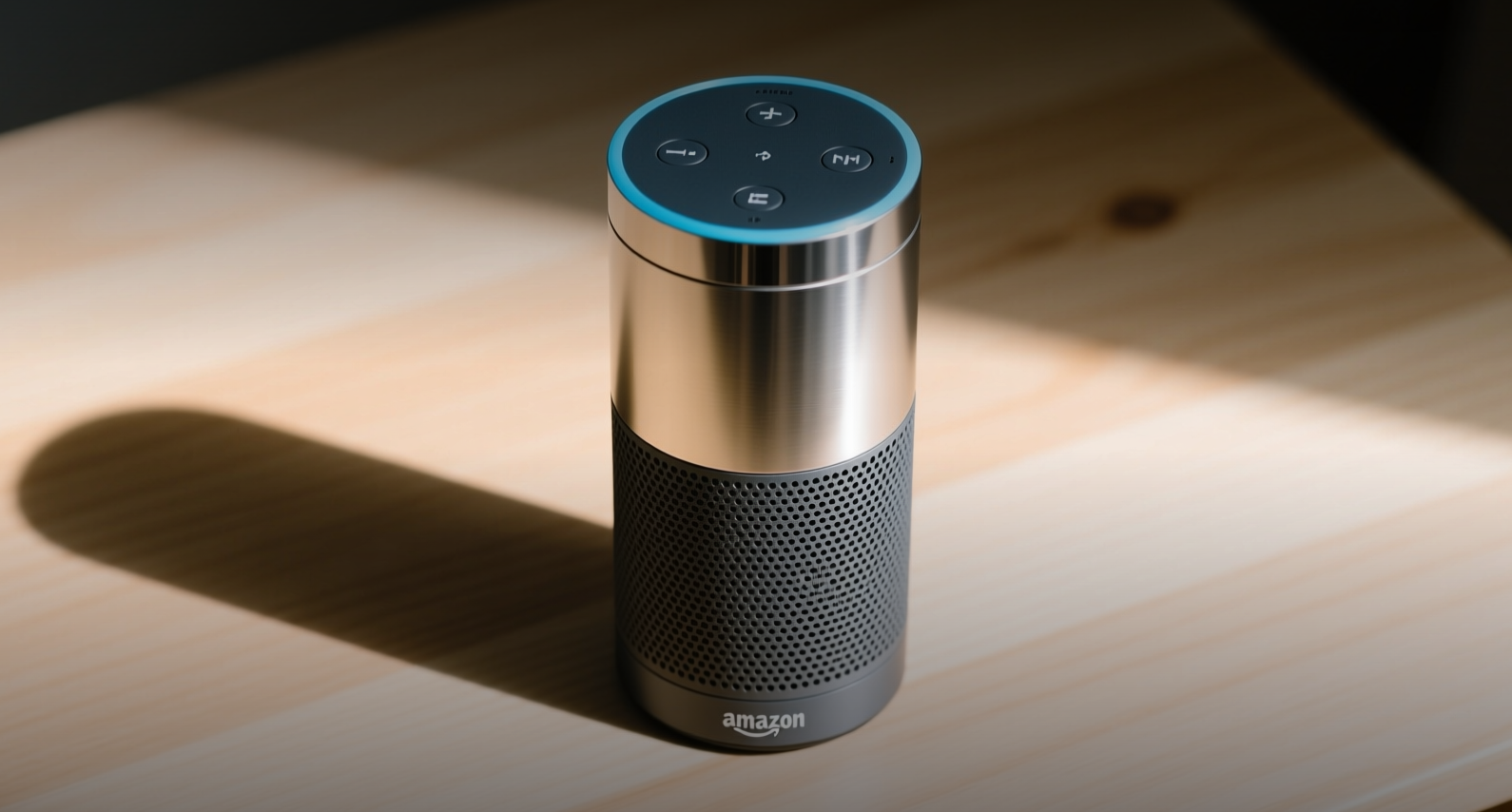
Amazon's Alexa+ brings conversational AI to voice shopping across 5 food and grocery platforms, marking its biggest consumer AI push.
Amazon's Alexa+ assistant, launching July 24, integrates with OpenTable, Grubhub, Uber Eats, Amazon Fresh and Whole Foods for voice-based ordering, putting the e-commerce giant in direct competition with Apple's Siri and Google Assistant for consumer AI spending.
"Alexa+ represents a shift from answering questions to completing tasks," an Amazon spokesperson said in a statement. "Users can now order dinner, schedule reservations and add groceries to their cart using natural conversation."
The assistant supports conversational dialogue and task management, allowing users to chain multiple requests in a single session — ordering pizza from Grubhub, then adding milk from Amazon Fresh without restarting the interaction. Apple's Siri and Google Assistant have offered limited third-party integrations for years, but neither has tied voice commands directly to a commerce ecosystem of Amazon's scale.
Amazon's voice commerce push could drive incremental services revenue by reducing friction in its $485 billion e-commerce business. The company trades at 22x forward earnings, and analysts at JPMorgan estimate voice commerce could add $8 billion to $12 billion in annual gross merchandise value by 2028 if adoption reaches 5% of Amazon's U.S. customer base.
The integration spans five platforms across food delivery and grocery — OpenTable for reservations, Grubhub and Uber Eats for restaurant delivery, and Amazon Fresh and Whole Foods for grocery shopping. Users can specify dietary preferences, delivery windows and budget constraints through natural language, the company said.
The launch comes as Amazon invests heavily in generative AI across its consumer and cloud businesses. The company allocated $75 billion in capital expenditures for 2026, with a significant portion directed toward AI infrastructure and product development, according to its Q1 2026 earnings report.
Amazon faces stiff competition in the AI assistant space. Alphabet's Google Assistant is embedded in 3 billion devices globally, while Apple's Siri powers an estimated 1.5 billion iPhones and iPads. Amazon's advantage lies in its commerce infrastructure — the company processed $485 billion in e-commerce sales in 2025, giving Alexa+ a built-in transaction pipeline that rivals lack.
Amazon shares have gained 18% year-to-date, outperforming the S&P 500's 12% advance. The Alexa+ rollout could boost the company's services segment, which generated $145 billion in revenue last year. However, monetizing voice commerce at scale remains unproven — Amazon has not disclosed Alexa's contribution to sales since launching the assistant in 2014. Morgan Stanley's Brian Nowak maintained his overweight rating on Amazon with a $245 price target, calling Alexa+ "a logical step toward ambient commerce" but noting that "meaningful revenue contribution is likely 2-3 years away."
This article is for informational purposes only and does not constitute investment advice.
