Pop Mart International: Hiện tượng LABUBU đưa đế chế IP toàn cầu vào vùng đất chưa được khám phá
David Hartley · April 14, 2026 · markets / consumer-retail · BUY $246
Tác giả: David Hartley | 2026-04-14
Khuyến nghị: Mua | Giá mục tiêu: HK$246 | Ngành: Tiêu dùng tùy ý — Đồ chơi thiết kế & Sưu tầm
Danh mục: Thị trường > Tiêu dùng & Bán lẻ | Thu nhập | Mã: $09992.HK
Tóm tắt
- Doanh thu H1 2025 đạt RMB 13,88 tỷ (+204,4% so với cùng kỳ), gần bằng toàn bộ doanh thu FY2024 là RMB 13,04 tỷ chỉ trong sáu tháng; biên lợi nhuận gộp mở rộng lên 70,3% từ 64,0%
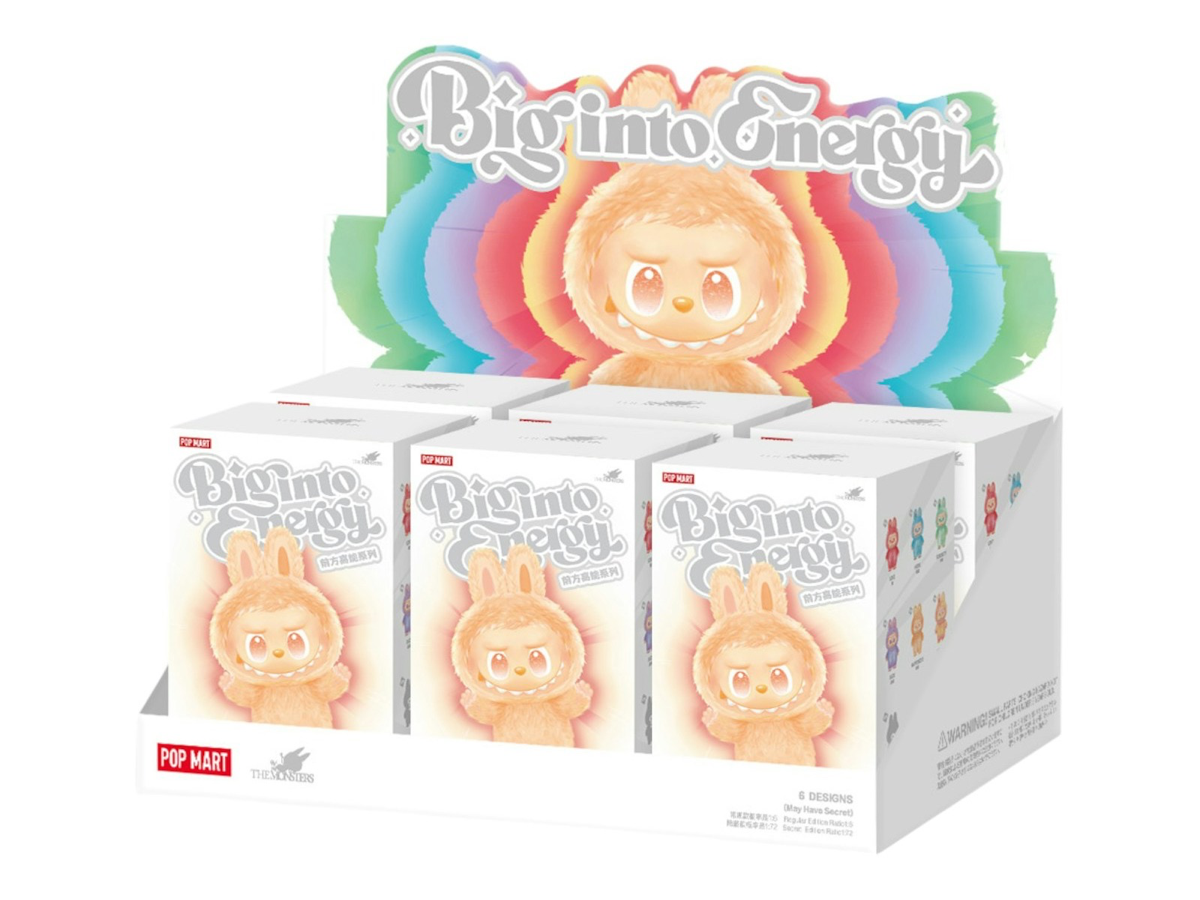
- Thương hiệu THE MONSTERS (dẫn đầu bởi LABUBU) tạo ra RMB 4,81 tỷ chỉ riêng trong H1 2025, một hiện tượng lan truyền toàn cầu đã đơn độc biến Pop Mart từ một công ty sưu tầm tập trung tại Trung Quốc thành một thương hiệu văn hóa toàn cầu
- Tại mức giá HK$150,90, cổ phiếu đang giao dịch ở mức xấp xỉ 13,8x P/E kỳ vọng sau đợt điều chỉnh mạnh từ mức cao nhất mọi thời đại — giá mục tiêu theo xác suất gia quyền HK$246 ngụ ý tiềm năng tăng 63% từ mức hiện tại
- Rủi ro chính: tập trung IP cực độ vào LABUBU/THE MONSTERS (35% doanh thu H1 2025), giám sát pháp lý đối với sưu tầm phẩm tại Trung Quốc, và rủi ro thực thi trong việc mở rộng doanh nghiệp định hướng văn hóa qua 18 quốc gia
Hiện tượng sưu tầm toàn cầu: Tại sao Pop Mart quan trọng vào lúc này
Thị trường đồ chơi toàn cầu được dự báo tăng trưởng với CAGR 5,98% trong giai đoạn 2026-2034, đạt giá trị 207,5 tỷ USD. Quan trọng hơn, các phân khúc biên lợi nhuận cao mà Pop Mart chuyên về được kỳ vọng tăng trưởng vượt trội đáng kể. Thị trường đồ chơi sưu tầm toàn cầu, được định giá 20,82 tỷ USD vào năm 2026, được dự báo tăng mạnh với CAGR 11,68% để đạt 56,26 tỷ USD vào năm 2035. Triển vọng tăng trưởng hai chữ số mạnh mẽ này cho sưu tầm phẩm xác nhận chiến lược lấy IP làm trung tâm của Pop Mart và sự phù hợp của nó với véc-tơ tạo giá trị chính của thị trường.
Thị trường cốt lõi của Pop Mart, Trung Quốc, trình bày một quỹ đạo tăng trưởng còn hấp dẫn hơn. Thị trường đồ chơi Trung Quốc được dự báo mở rộng với tốc độ vượt trội so với tăng trưởng toàn cầu, củng cố vị thế là thị trường khu vực trọng yếu. Lý do cho tăng trưởng thị trường mạnh mẽ này là đa chiều. Các động lực chính bao gồm xu hướng "kidult" (người lớn mua đồ chơi cho bản thân), và hiện tượng "tiêu dùng tâm linh," nơi sản phẩm được đánh giá cao vì giá trị cảm xúc và thẩm mỹ hơn là chức năng thuần túy. Mô hình kinh doanh của Pop Mart được xây dựng trực tiếp để phục vụ những hành vi tiêu dùng đang phát triển này.
Điều làm cho thời điểm này đặc biệt hấp dẫn là tốc độ quốc tế hóa của Pop Mart. Trong H1 2025, doanh thu nước ngoài (ngoài Trung Quốc) tăng vọt lên 40,3% tổng doanh số, tăng từ 22,8% trong H1 2024, với doanh thu châu Mỹ bùng nổ tăng 1.142,3% và châu Á Thái Bình Dương tăng 257,8%. Đây không phải là mở rộng quốc tế từ từ — đây là một công ty đã tình cờ phát hiện một hiện tượng văn hóa toàn cầu qua LABUBU và giờ đang chạy đua xây dựng hạ tầng để duy trì nó.
Tầm nhìn của Wang Ning: Từ người tiên phong hộp mù đến nền tảng IP toàn cầu
Sự chuyển đổi của Pop Mart từ một nhà bán lẻ sưu tầm phẩm thị trường ngách thành một nền tảng giải trí toàn cầu không thể tách rời khỏi tầm nhìn của người sáng lập kiêm CEO, Wang Ning (37 tuổi). Wang thành lập công ty vào năm 2010, và đội ngũ điều hành — bao gồm ông Si De làm Giám đốc Vận hành, ông Moon Duk Il làm Phó Chủ tịch Kinh doanh Quốc tế, và bà Liu Ran làm Giám đốc Điều hành — phản ánh sự tập trung có chủ đích vào việc duy trì vị trí dẫn đầu trong nước trong khi tích cực theo đuổi tăng trưởng toàn cầu.
Quá trình phát triển chiến lược của công ty có thể được truy vết qua ba giai đoạn riêng biệt. Giai đoạn đầu (2015-2020) thiết lập định dạng "hộp mù" như một đổi mới thương mại tại Trung Quốc, tận dụng các yếu tố tâm lý của tính sưu tầm — bất ngờ, khan hiếm, và sự công nhận xã hội — để xây dựng cơ sở khách hàng trung thành mãnh liệt. Giai đoạn hai (2021-2024) đào sâu danh mục IP và tích hợp dọc, với Pop Mart xây dựng năng lực trải dài từ ươm mầm nghệ sĩ, thiết kế sản phẩm, sản xuất, phân phối bán lẻ đến trải nghiệm theo chủ đề. Giai đoạn ba (2025-hiện tại) đại diện cho sự bùng nổ quốc tế, được thúc đẩy gần như hoàn toàn bởi sự thành công lan truyền của LABUBU, một nhân vật thuộc gia đình THE MONSTERS được tạo ra bởi nghệ sĩ Kasing Lung (龍家升).
Hiện tượng LABUBU đáng được chú ý đặc biệt. Một nhân vật trong danh mục IP rộng hơn đã trở thành khoảnh khắc văn hóa toàn cầu khi người nổi tiếng, người ảnh hưởng và người tiêu dùng khắp Đông Nam Á, châu Âu và châu Mỹ đón nhận thẩm mỹ "yêu tinh nghịch ngợm" đặc trưng của nhân vật này. Sự lan truyền tự nhiên này — không được thúc đẩy bởi chi tiêu marketing truyền thống — đã tạo ra một vòng tuần hoàn tự củng cố về khả năng hiển thị trên mạng xã hội, lưu lượng cửa hàng và sự hấp dẫn thương hiệu mà ban lãnh đạo hiện đang nỗ lực thể chế hóa thông qua các cửa hàng flagship tại những địa danh nổi tiếng (Bảo tàng Louvre ở Paris, Oxford Street ở London, Bà Nà Hills ở Việt Nam) và một mạng lưới bán lẻ đang mở rộng nhanh chóng.
Hiệu suất hoạt động: Những con số đáng chú ý
FY2024 — Năm bứt phá
FY2024 đánh dấu sự xuất hiện của Pop Mart như một hiện tượng tăng trưởng thực sự. Doanh thu cả năm đạt RMB 13,04 tỷ, tăng trưởng đáng kinh ngạc 106,9% so với cùng kỳ từ RMB 6,30 tỷ trong FY2023. Để đặt trong bối cảnh: công ty đã nhân đôi doanh thu trong một năm duy nhất, một kỳ tích phi thường đối với một công ty ở quy mô này. Biên lợi nhuận gộp mở rộng lên 66,8% từ 61,3%, được thúc đẩy bởi sự dịch chuyển cơ cấu doanh thu thuận lợi hướng tới sản phẩm nhồi bông biên lợi nhuận cao và thị trường quốc tế. Lợi nhuận ròng điều chỉnh theo Non-IFRS tăng vọt lên RMB 3,40 tỷ (+185,9% so với cùng kỳ), với biên lợi nhuận ròng điều chỉnh mở rộng từ 18,9% lên 26,1%.
Danh mục IP thể hiện độ rộng đáng chú ý. Lần đầu tiên, bốn IP — THE MONSTERS, MOLLY, SKULLPANDA, và CRYBABY — mỗi cái đều vượt mốc RMB 1 tỷ doanh thu hàng năm. Tổng cộng 13 IP nghệ sĩ tạo ra doanh thu vượt RMB 100 triệu mỗi cái. THE MONSTERS dẫn đầu với RMB 3,04 tỷ (+726,6% so với cùng kỳ), được thúc đẩy bởi hiện tượng LABUBU. MOLLY, IP kinh điển mang tính biểu tượng nhất của công ty, đóng góp RMB 3,04 tỷ, thể hiện sức bền của thương hiệu gốc. SKULLPANDA tạo ra RMB 2,09 tỷ (+27,7%), trong khi CRYBABY đạt RMB 1,31 tỷ (+1.537,2%) là IP mới nổi tăng trưởng nhanh nhất.
Phân tích doanh thu theo kênh cho thấy sức mạnh của mô hình đa kênh Pop Mart. Kênh ngoại tuyến Trung Quốc đại lục tạo ra RMB 7,97 tỷ (+52,3%), được hỗ trợ bởi việc tăng ròng 38 cửa hàng vật lý (lên tổng cộng 401) và 110 roboshop (lên 2.300). Kênh trực tuyến tại Trung Quốc đạt RMB 2,37 tỷ, với Pop Draw (nền tảng hộp mù kỹ thuật số) đạt RMB 1,11 tỷ (+52,7%), Tmall đạt RMB 627,8 triệu (+95,0%), và DouYin đạt RMB 601,2 triệu (+112,2%). Công ty xếp hạng nhất trong danh mục đồ chơi Tmall trong lễ hội mua sắm 618.
Doanh thu quốc tế là điểm nổi bật, đạt RMB 5,07 tỷ (+375,2% so với cùng kỳ), chiếm 38,9% tổng doanh thu — tăng từ khoảng 16% trong FY2023. Đến cuối năm 2024, Pop Mart vận hành 130 cửa hàng vật lý và 192 roboshop tại Hồng Kông, Ma Cao, Đài Loan và các thị trường nước ngoài, đã khai trương cửa hàng ngoại tuyến đầu tiên tại năm quốc gia mới: Việt Nam, Indonesia, Philippines, Ý và Tây Ban Nha.
H1 2025 — Một nửa năm còn phi thường hơn
Nếu FY2024 là năm bứt phá, thì H1 2025 là xác nhận rằng quỹ đạo tăng trưởng đang dốc lên, không phải đi ngang. Doanh thu RMB 13,88 tỷ (+204,4% so với cùng kỳ) chỉ trong sáu tháng gần bằng toàn bộ FY2024. Nói một cách thẳng thắn: Pop Mart tạo ra doanh thu trong nửa đầu năm 2025 gần bằng cả năm 2024, mà bản thân năm 2024 đã là một năm nhân đôi.
Biên lợi nhuận gộp mở rộng thêm lên 70,3% từ 64,0% trong H1 2024, phản ánh hai thuận lợi kép từ dịch chuyển cơ cấu địa lý hướng tới thị trường quốc tế biên lợi nhuận cao hơn và dịch chuyển cơ cấu sản phẩm hướng tới sản phẩm nhồi bông. Lợi nhuận từ hoạt động kinh doanh bùng nổ lên RMB 6,04 tỷ (+436,5%), và lợi nhuận ròng đạt RMB 4,68 tỷ (+385,6%). Biên lợi nhuận ròng điều chỉnh Non-IFRS đạt 33,9%, tăng từ 22,3% — một mức sinh lời đưa Pop Mart vào nhóm các công ty tiêu dùng sinh lời cao nhất toàn cầu.
Doanh thu theo địa lý vẽ nên bức tranh nhu cầu toàn cầu thực sự. Trung Quốc vẫn là thị trường lớn nhất với RMB 8,28 tỷ (59,7% tổng doanh thu, +135,2% so với cùng kỳ), với 443 cửa hàng vật lý và 2.437 roboshop. Châu Á Thái Bình Dương tăng vọt lên RMB 2,85 tỷ (20,6%, +257,8%), với cửa hàng bán lẻ mở rộng từ 39 lên 69 và kênh trực tuyến tăng 546,7%. Châu Mỹ đạt RMB 2,26 tỷ (16,3%, +1.142,3%), tăng trưởng bùng nổ nhất ở bất kỳ khu vực nào. Châu Âu và các khu vực khác đóng góp RMB 477,7 triệu (3,4%, +729,2%).
Hiệu suất IP trong H1 2025 nhấn mạnh hiệu ứng LABUBU. THE MONSTERS tạo ra RMB 4,81 tỷ, chiếm khoảng 35% tổng doanh thu. MOLLY đóng góp RMB 1,36 tỷ, SKULLPANDA RMB 1,22 tỷ, CRYBABY RMB 1,22 tỷ, và DIMOO RMB 1,11 tỷ — năm IP mỗi cái đều vượt RMB 1 tỷ trong một nửa năm duy nhất.
Danh mục sản phẩm nhồi bông — một định dạng mới hơn gồm phụ kiện nhồi bông rotocast — đạt RMB 6,14 tỷ trong H1 2025, chiếm 44,2% doanh thu. Danh mục này không tồn tại ở quy mô đáng kể hai năm trước và giờ gần chiếm một nửa doanh nghiệp, minh họa tốc độ mà Pop Mart có thể tận dụng đổi mới định dạng sản phẩm.
Phân tích cạnh tranh: Lợi thế phòng thủ
Pop Mart đã xây dựng một danh mục tài sản chiến lược mạnh mẽ, được neo bởi hệ sinh thái sở hữu trí tuệ (IP) bám rễ sâu và một động cơ phát triển sản phẩm tinh vi, dựa trên dữ liệu.
Trụ cột 1 — Tài sản IP & Kênh sáng tạo. Thế mạnh cốt lõi của Pop Mart là một bánh đà dữ liệu tự củng cố mạnh mẽ. Cơ sở thành viên đã đăng ký tại Trung Quốc đại lục tăng hơn 57% lên 59,12 triệu vào cuối H1 2025 (từ 46,08 triệu vào cuối FY2024), với doanh số thành viên đóng góp 91,2% tổng doanh số và tỷ lệ mua lại 50,8%. Đây không chỉ đơn thuần là chương trình khách hàng thân thiết — đây là nền tảng thông tin tiêu dùng theo thời gian thực cung cấp thông tin cho phát triển IP, thiết kế sản phẩm và phân bổ hàng tồn kho. Thư viện IP được bảo vệ pháp lý của công ty, đến năm 2024 bao gồm hơn 1.200 nhãn hiệu, 1.600 bản quyền và 48 bằng sáng chế, chuyển đổi trực tiếp thành giá trị thương hiệu.
Trụ cột 2 — Mạng lưới phân phối toàn cầu. Tính đến ngày 30 tháng 6 năm 2025, Pop Mart vận hành 571 cửa hàng tại 18 quốc gia, với mức tăng ròng 40 cửa hàng trong H1 2025. Công ty cũng duy trì 2.597 roboshop trên toàn cầu. Sự kết hợp giữa bán lẻ vật lý (cửa hàng + roboshop), nền tảng DTC trực tuyến (trang web chính thức phủ sóng 37 quốc gia, ứng dụng tự phát triển tại 34 quốc gia), và thương mại điện tử bên thứ ba (Shopee, Lazada, Amazon, TikTok) tạo ra một lợi thế phân phối đa kênh cực kỳ khó sao chép. Cửa hàng flagship tại các địa danh nổi tiếng toàn cầu — Bảo tàng Louvre, Oxford Street, Bà Nà Hills — đóng vai trò khuếch đại thương hiệu, tạo ra nội dung mạng xã hội tự nhiên có giá trị cao hơn nhiều so với quảng cáo truyền thống.
Trụ cột 3 — Xuất sắc vận hành. Sự tăng tốc vòng quay hàng tồn kho từ 102 ngày trong FY2024 xuống 83 ngày trong H1 2023 và chỉ 37 ngày cho H1 2025 là một thành tựu đáng chú ý. Điều này chứng minh một công ty đã làm chủ dự báo nhu cầu và quản lý chuỗi cung ứng trong giai đoạn tăng trưởng bùng nổ — ngược lại với những gì thường xảy ra khi các công ty tiêu dùng mở rộng quy mô nhanh chóng. Mô hình sản xuất nhẹ tài sản (hợp tác với nhà máy tại Mexico, Campuchia và Indonesia) giảm thiểu rủi ro địa chính trị và cải thiện khả năng phục hồi chuỗi cung ứng.
Trụ cột 4 — Lợi thế văn hóa & Cảm xúc. Có lẽ quan trọng nhất, Pop Mart không chỉ bán sản phẩm — họ bán trải nghiệm cảm xúc và văn hóa. Cơ chế "hộp mù" khai thác các yếu tố tâm lý của sự bất ngờ và tính sưu tầm. Các nhân vật IP (LABUBU, MOLLY, CRYBABY) phát triển kết nối cảm xúc tạo ra chi phí chuyển đổi được đo bằng tình cảm, không phải kinh tế. POP LAND (công viên chủ đề tại Bắc Kinh), cửa hàng pop-up, sự kiện ký tặng nghệ sĩ và POP TOY SHOW tạo ra các điểm chạm thực tế làm sâu thêm mối liên kết cộng đồng. Đây là lợi thế mà phân tích định lượng khó nắm bắt nhưng lại thúc đẩy hành vi mua lại.
Định giá: Cơ hội rủi ro cao tại mức chiết khấu
Thị trường nhìn thấy gì (phần nổi): Cổ phiếu Pop Mart đã giảm mạnh từ mức cao nhất mọi thời đại, với giá cổ phiếu giảm khoảng 26,3% từ đỉnh. P/E kỳ vọng đã nén xuống khoảng 13,8x, và tỷ lệ P/E TTM cũng nén xuống khoảng 13,8x. Đồng thuận phân tích đã phân mảnh sau khi công bố kết quả thường niên FY2025, với nhiều lần hạ xếp hạng kích hoạt làn sóng cắt giảm giá mục tiêu. Thị trường đang định giá lại từ kỳ vọng siêu tăng trưởng sang giả định tăng trưởng ôn hòa hơn, và tâm lý rõ ràng là thận trọng.
Thực tế là gì (phần chìm): Tại mức giá hiện tại HK$150,90, thị trường đang định giá Pop Mart như thể hiện tượng LABUBU là sự kiện một lần và tăng trưởng quốc tế sẽ giảm tốc mạnh. Thực tế là H1 2025 cho thấy sự tăng tốc tiếp tục, với biên lợi nhuận gộp mở rộng (không thu hẹp) và đòn bẩy vận hành cải thiện. Công ty nắm giữ khoảng CNY17,2 tỷ (RMB) tiền mặt và đầu tư ngắn hạn, hoạt động với nợ gần như bằng không và tỷ lệ nợ/vốn chủ sở hữu chỉ 12,8%. Tỷ lệ thanh toán hiện hành đạt 3,01x, và bảng cân đối kế toán vững chắc cung cấp sự linh hoạt tài chính để đầu tư mạnh mẽ vào mở rộng quốc tế mà không pha loãng cổ đông hiện hữu.
Sự chênh lệch giữa hiệu suất hoạt động (doanh thu gần gấp ba, biên lợi nhuận mở rộng, dòng tiền tăng mạnh) và diễn biến giá cổ phiếu (giảm đáng kể từ đỉnh) tạo ra loại cơ hội bất đối xứng mà các nhà đầu tư theo trường phái cơ bản tìm kiếm.
Mô hình định giá bốn kịch bản:
Kịch bản | Vốn hóa mục tiêu (HK$ tỷ) | Ước tính trên mỗi cổ phiếu | Giả định chính | Xác suất |
Lạc quan (A) | HK$423,8 tỷ – $480,8 tỷ | ~HK$322 – $365 | Thực thi tăng trưởng mạnh + vĩ mô thuận lợi; đà LABUBU duy trì; đa dạng hóa IP thành công; doanh thu quốc tế tiếp tục tăng tốc | 35% |
Thận trọng (C) | HK$282,8 tỷ – $339,8 tỷ | ~HK$215 – $258 | Tăng trưởng công ty mạnh + vĩ mô bất lợi; suy thoái thị trường rộng nén bội số dù thực thi vận hành vững chắc | 30% |
Cơ sở (B) | HK$226,8 tỷ – $283,8 tỷ | ~HK$172 – $215 | Tăng trưởng công ty yếu hơn + vĩ mô thuận lợi; cơn sốt LABUBU giảm, tăng trưởng giảm tốc về biên độ ôn hòa hơn, cổ phiếu giao dịch ở mức premium so với đồng nghiệp tiêu dùng | 20% |
Thảm họa (D) | HK$113,8 tỷ – $169,8 tỷ | ~HK$86 – $129 | Tăng trưởng yếu + vĩ mô bất lợi; IP cốt lõi LABUBU sụp đổ, môi trường suy thoái tàn phá chi tiêu tùy ý | 15% |
Giá mục tiêu theo xác suất gia quyền: ~HK$246, ngụ ý tiềm năng tăng khoảng 63% từ mức giá hiện tại HK$150,90.
Giá mục tiêu đồng thuận của các nhà phân tích hiện tại: Cao nhất HK$392,70, Trung bình HK$263,89, Thấp nhất HK$106,03. Sau khi công bố kết quả tháng 3/2025, Goldman Sachs hạ xuống Trung lập (PT HK$184), BofA Securities hạ xuống Trung lập (PT HK$170), trong khi Deutsche Bank hạ xuống Bán. Morgan Stanley duy trì Tăng tỷ trọng (PT HK$278) và UBS duy trì Mua (PT HK$278). CMB International đưa ra điều chỉnh nghiêm trọng nhất, cắt giảm PT 66,6% xuống HK$127.
Chúng tôi khuyến nghị Mua dựa trên phân tích xác suất gia quyền vì kịch bản Lạc quan và Thận trọng (xác suất kết hợp 65%) đều ngụ ý tiềm năng tăng đáng kể từ mức hiện tại. Giá hiện tại dường như đã phản ánh đầy đủ các kịch bản Cơ sở và Thảm họa, với xác suất kết hợp chỉ 35%. Biến số then chốt là liệu thực thi quốc tế của Pop Mart — cụ thể là khả năng duy trì đà LABUBU trong khi đa dạng hóa danh mục IP — có thể duy trì quỹ đạo siêu tăng trưởng xuyên suốt H2 2025 hay không.
Rủi ro: Điều gì có thể sai
Rủi ro 1: Tập trung IP cực độ. THE MONSTERS (dẫn đầu bởi LABUBU) chiếm khoảng 35% doanh thu H1 2025 và tỷ trọng còn lớn hơn trong tăng trưởng biên. Mức độ phụ thuộc này vào một thương hiệu IP duy nhất vừa là thế mạnh lớn nhất vừa là điểm yếu lớn nhất của công ty. Nếu sự phổ biến của LABUBU phai nhạt — như mọi hiện tượng văn hóa cuối cùng đều vậy — công ty phải có một IP kế nhiệm đáng tin cậy sẵn sàng hấp thụ doanh thu bị mất. Dấu hiệu tích cực là MOLLY, SKULLPANDA, CRYBABY và DIMOO mỗi cái đều tạo ra hơn RMB 1 tỷ, cung cấp một sàn đa dạng hóa. Rủi ro là sự suy giảm của LABUBU có thể đột ngột thay vì từ từ nếu nó theo quỹ đạo của các xu hướng tiêu dùng lan truyền khác.
Rủi ro 2: Rủi ro pháp lý & Địa chính trị. Lập trường pháp lý của chính phủ Trung Quốc đối với sưu tầm phẩm và thương mại "hộp mù" vẫn là rủi ro nền liên tục. Mặc dù các hướng dẫn quốc gia từ năm 2023 đã đặt nền tảng, môi trường tiếp tục được làm rõ qua tiền lệ pháp lý, và các phán quyết tòa án gần đây củng cố trách nhiệm của nhà bán hàng đối với lỗi chất lượng sản phẩm cho thấy bối cảnh pháp lý đang phát triển. Ngoài ra, việc mở rộng quốc tế nhanh chóng của Pop Mart khiến công ty phải đối mặt với mạng lưới ngày càng phức tạp về quy định thương mại, thủ tục hải quan và yêu cầu tuân thủ địa phương trên 18 quốc gia.
Rủi ro 3: Rủi ro thực thi trong mở rộng doanh nghiệp định hướng văn hóa. Mô hình kinh doanh của Pop Mart về cơ bản được xây dựng trên sự cộng hưởng cảm xúc và văn hóa. Những gì hiệu quả ở Đông Nam Á có thể không chuyển đổi được sang châu Âu hoặc châu Mỹ nếu không có sự bản địa hóa đáng kể. Chiến lược mở rộng cửa hàng — từ 130 cửa hàng quốc tế cuối năm 2024 lên có thể hơn 200 vào cuối năm 2025 — tạo ra cam kết chi phí cố định đáng kể sẽ trở thành gánh nặng nếu lưu lượng khách hàng thất vọng. Sự chuyển đổi từ tăng trưởng lan truyền tự nhiên sang tăng trưởng thể chế bền vững đòi hỏi một bộ năng lực tổ chức khác, và khả năng của đội ngũ quản lý trong việc thực hiện chuyển đổi này chưa được kiểm chứng ở quy mô này.
Kết luận
Pop Mart International đại diện cho một trong những câu chuyện tăng trưởng tiêu dùng hấp dẫn nhất trên thị trường toàn cầu hiện nay. Công ty đã đạt được điều mà ít thương hiệu tiêu dùng Trung Quốc nào làm được: nhu cầu tự nhiên thực sự đối với sản phẩm của họ trên nhiều lục địa, được thúc đẩy bởi sự cộng hưởng văn hóa của các nhân vật IP thay vì cạnh tranh giá mạnh mẽ hoặc xuất khẩu hàng hóa phổ thông. Tại mức giá HK$150,90, thị trường đang định giá cổ phiếu như thể hiện tượng LABUBU đã kết thúc và tăng trưởng quốc tế sẽ trở về quỹ đạo ôn hòa. Phân tích của chúng tôi cho thấy điều này quá bi quan — với giá mục tiêu theo xác suất gia quyền HK$246 ngụ ý tiềm năng tăng 63%, hồ sơ rủi ro-lợi nhuận hấp dẫn cho nhà đầu tư với tầm nhìn 6-12 tháng.
Luận điểm đầu tư xoay quanh một câu hỏi then chốt duy nhất: liệu Pop Mart có thể chuyển đổi thành công từ một công ty được thúc đẩy bởi một hiện tượng IP lan truyền đơn lẻ thành một tập đoàn giải trí toàn cầu đa dạng? Bằng chứng từ quy trình phát triển IP, thành công quốc tế nhanh chóng và các mảng kinh doanh đang mở rộng (POP LAND, MEGA COLLECTION, sản phẩm nhồi bông) cung cấp nền tảng vững chắc cho kịch bản lạc quan. Tuy nhiên, những rủi ro đáng kể — tập trung IP, bất ổn pháp lý, và kỳ vọng phi thường được định giá vào một công ty cần duy trì tăng trưởng ba chữ số — đòi hỏi kỷ luật phân bổ vị thế và giám sát liên tục.
Câu hỏi thường gặp
Cổ phiếu Pop Mart (09992.HK) có phải là khoản đầu tư tốt trong năm 2026?
Pop Mart được khuyến nghị Mua với giá mục tiêu theo xác suất gia quyền HK$246, ngụ ý tiềm năng tăng khoảng 63% từ mức giá hiện tại HK$150,90 tính đến tháng 4/2026. Công ty đạt kết quả H1 2025 phi thường với doanh thu RMB 13,88 tỷ (+204,4% so với cùng kỳ) và biên lợi nhuận gộp 70,3%. Tuy nhiên, cổ phiếu mang rủi ro đáng kể do tập trung IP nặng vào thương hiệu THE MONSTERS (LABUBU) và tính không thể dự đoán vốn có của xu hướng tiêu dùng định hướng văn hóa. Nhà đầu tư nên phân bổ vị thế theo mức chịu đựng rủi ro đối với cổ phiếu tiêu dùng tùy ý tăng trưởng cao, biến động cao.
LABUBU là gì và tại sao nó quan trọng đối với Pop Mart?
LABUBU là một nhân vật thuộc gia đình IP THE MONSTERS, được tạo ra bởi nghệ sĩ Hồng Kông Kasing Lung. Ban đầu là một đồ chơi mô hình, LABUBU trở thành hiện tượng lan truyền toàn cầu trong giai đoạn 2024-2025 khi thiết kế "yêu tinh nghịch ngợm" của nó cộng hưởng với người tiêu dùng khắp Đông Nam Á, châu Âu và châu Mỹ. Trong H1 2025, thương hiệu THE MONSTERS (dẫn đầu bởi LABUBU) tạo ra RMB 4,81 tỷ doanh thu, chiếm khoảng 35% tổng doanh số của Pop Mart. Sự phổ biến của nhân vật này được khuếch đại bởi sự ủng hộ của người nổi tiếng, sự lan truyền trên mạng xã hội, và việc Pop Mart đặt chiến lược các cửa hàng flagship tại những địa danh mang tính biểu tượng toàn cầu bao gồm Bảo tàng Louvre ở Paris và Oxford Street ở London.
Pop Mart đang tăng trưởng quốc tế nhanh đến mức nào?
Sự mở rộng quốc tế của Pop Mart nằm trong số nhanh nhất trong ngành tiêu dùng toàn cầu. Trong H1 2025, doanh thu châu Mỹ tăng 1.142,3% so với cùng kỳ lên RMB 2,26 tỷ, châu Á Thái Bình Dương tăng 257,8% lên RMB 2,85 tỷ, và châu Âu tăng 729,2% lên RMB 477,7 triệu. Tỷ trọng doanh thu quốc tế trong tổng doanh số tăng từ khoảng 22,8% trong H1 2024 lên 40,3% trong H1 2025. Công ty hiện vận hành 571 cửa hàng tại 18 quốc gia với 2.597 roboshop trên toàn cầu, mở rộng mạnh mẽ thông qua cả bán lẻ vật lý và kênh thương mại điện tử bao gồm Shopee, Amazon và TikTok.
Những rủi ro lớn nhất khi đầu tư vào Pop Mart là gì?
Ba rủi ro chính là: (1) Tập trung IP — THE MONSTERS/LABUBU chiếm 35% doanh thu, và sự suy giảm trong mức độ phổ biến của nhân vật này sẽ ảnh hưởng đáng kể đến tăng trưởng; (2) Rủi ro pháp lý — các quy định đang phát triển của Trung Quốc về sưu tầm phẩm và thương mại hộp mù có thể hạn chế hoạt động kinh doanh; (3) Rủi ro thực thi — mở rộng thương hiệu định hướng văn hóa qua 18 quốc gia đòi hỏi năng lực bản địa hóa chưa được kiểm chứng ở quy mô này. Ngoài ra, cổ phiếu đã trải qua biến động đáng kể sau khi công bố kết quả FY2025, với nhiều lần hạ xếp hạng từ nhà phân tích phản ánh lo ngại về tính bền vững của tăng trưởng.
Pop Mart so sánh với các công ty đồ chơi và sưu tầm khác như thế nào?
Pop Mart là độc đáo trong số các công ty đồ chơi toàn cầu với mô hình lấy IP làm trung tâm, bán trực tiếp đến người tiêu dùng với biên lợi nhuận gộp 70,3% — cao hơn đáng kể so với các công ty đồ chơi truyền thống như Mattel (MAT) hoặc Hasbro (HAS) thường hoạt động ở biên lợi nhuận gộp 45-55%. Công ty có thể so sánh gần nhất là MINISO (MNSO), mặc dù MINISO vận hành mô hình bán lẻ thương hiệu được cấp phép thay vì sở hữu IP độc quyền. Biên lợi nhuận ròng Non-IFRS 33,9% của Pop Mart trong H1 2025 đặt công ty gần hơn với các công ty hàng xa xỉ về hồ sơ sinh lời, mặc dù hoạt động trong phân khúc tiêu dùng đại chúng.
Tuyên bố miễn trừ trách nhiệm: Bài viết này chỉ nhằm mục đích cung cấp thông tin và không cấu thành tư vấn đầu tư. Tác giả và Edgen không nắm giữ vị thế trong các chứng khoán được thảo luận. Hiệu suất trong quá khứ không phải là chỉ báo cho kết quả tương lai. Nhà đầu tư nên tự tiến hành thẩm định trước khi đưa ra quyết định đầu tư.