
The USS Abraham Lincoln's 266-day deployment, the second-longest carrier tour since the Vietnam War, exposes a Navy fleet stretched across simultaneous combat theaters.
The USS Abraham Lincoln's 266-day deployment, the second-longest carrier tour since the Vietnam War, exposes a Navy fleet stretched across simultaneous combat theaters.
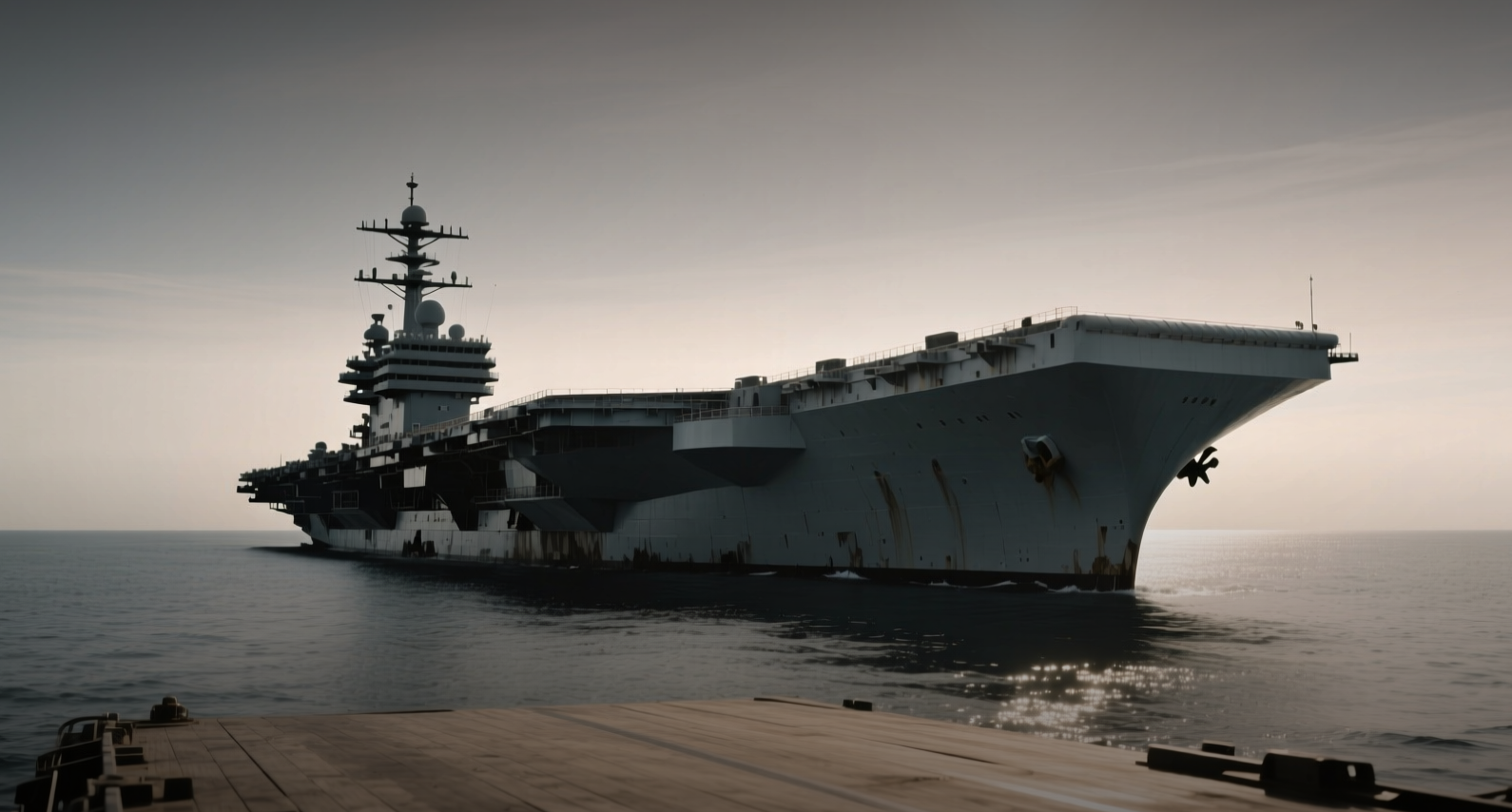
The USS Abraham Lincoln is returning home after 266 days deployed, including 200 days in a combat zone, as the US Navy's carrier force faces its most sustained operational tempo since the Vietnam War.
"The Navy plays the away game, that's the nature of the business, and it's very good at it. It doesn't mean that it doesn't put stress on the people and the ships," said retired Rear Adm. Bruce Gillingham, who served as Navy Surgeon General during the Covid-19 pandemic.
The Lincoln's strike group conducted more than 10,000 sorties and dropped about 1.5 million pounds of ordnance during operations against Iran, acting Navy Secretary Hung Cao said Friday. The carrier shot down more than 200 Islamic Revolutionary Guard Corps drones, according to US Central Command. The deployment exceeds the Navy's recommended 210-day cycle by 56 days, with the crew's last port call in Guam on Dec. 11.
The extended tour exposes a structural problem: the US operates 11 aircraft carriers, several aging, and the next Ford-class ship faces delays. The USS Gerald R. Ford set the post-Vietnam record at 326 days earlier this year, and the Navy's top enlisted sailor, Master Chief Petty Officer John Perryman, has called the current deployment cycle a "conveyor belt" derived from a "peacetime mindset."
Sailor welfare becomes a political flashpoint
Conditions aboard the Lincoln have drawn scrutiny from lawmakers and families. Sailors reported intermittent food shortages, limited hygiene supplies, and problems with toilets and water systems, according to CNN. Two sailors assigned to the strike group went overboard in recent months and were rescued; others were prevented from jumping, per Navy Times and Stars and Stripes reports.
The Navy said it has "not observed an increase in suicidal ideations or attempts aboard the ship," with medical, religious, and mental-health professionals available. President Donald Trump dismissed concerns Friday, telling reporters the deployment was "not nearly long enough." Defense Secretary Pete Hegseth called reports of conditions "completely misrepresented."
Democratic Sen. Richard Blumenthal of Connecticut has demanded answers from the Pentagon on crew status. The USS George Washington, based in Japan, is en route to relieve the Lincoln from its Persian Gulf blockade duties.
Fleet capacity constraints loom
The strain extends beyond the Lincoln. The USS Dwight D. Eisenhower returned in July 2024 after 274 days away, and three carrier deployments that began in 2024 exceeded 250 days, according to a CNN analysis of USNI News fleet tracker data. Median deployment length for US-based carriers has risen steadily since 2020.
The Navy's ability to rotate carriers is constrained by construction delays. The USS John F. Kennedy, which began final sea trials this week, is scheduled for delivery in March 2027 — nearly two years behind schedule. President Trump's directive to replace electromagnetic launch systems with steam catapults on future Ford-class ships could push the USS Doris Miller's delivery from around 2034 to the end of the decade, according to Bryan Clark, a shipbuilding expert at the Hudson Institute.
Retention is a growing concern. Hegseth ordered a review of retention struggles for strike fighter squadron sailors earlier this year, and the Navy is offering flight officers and aviators tens of thousands of dollars annually in bonuses to stay.
The Lincoln's return marks the end of a deployment that Cao called "a performance for the ages," but the broader question of how the Navy sustains extended combat operations without breaking its crews remains unresolved. With the war against Iran ongoing and the carrier fleet stretched thin, the next deployment cycle will test whether the service can meet operational demands while keeping its sailors intact.
This article is for informational purposes only and does not constitute investment advice.
