
Trump said the US-Iran war will end immediately after the November 3 midterm elections, projecting gasoline below $2 per gallon as crude's geopolitical premium unwinds from above $100 a barrel.
Trump said the US-Iran war will end immediately after the November 3 midterm elections, projecting gasoline below $2 per gallon as crude's geopolitical premium unwinds from above $100 a barrel.
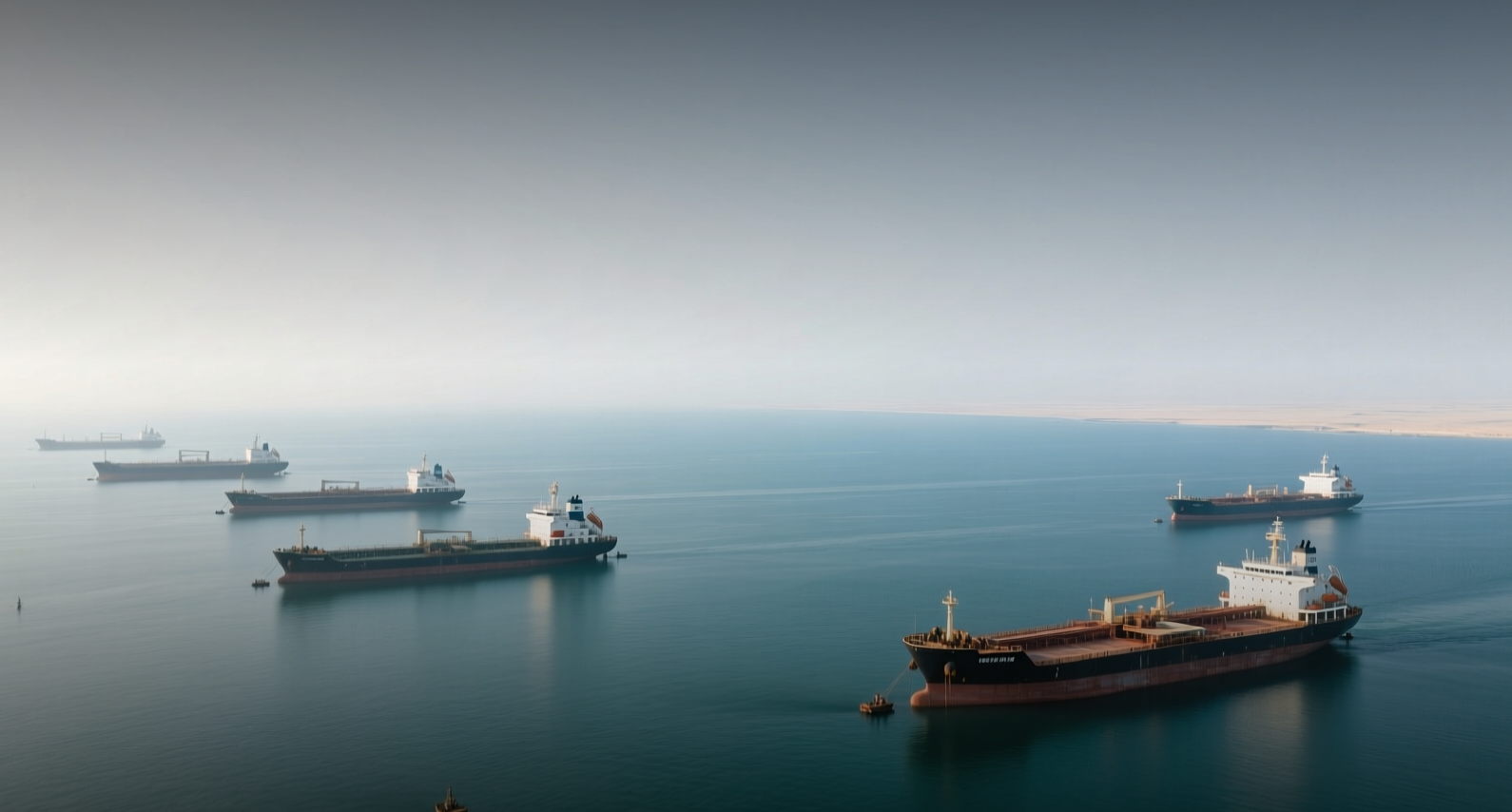
A presidential pledge to halt the seven-month US-Iran conflict after the November 3 vote is reshaping oil market expectations, with Trump forecasting gasoline prices below $2 per gallon as crude's war premium unwinds from levels above $100 a barrel.
"I think gasoline prices will come down below $2 a gallon," Trump told reporters at Joint Base Andrews, adding the decline would arrive "slightly later than the midterms." He said Iranians "can't hold out much longer" and accused Tehran of seeking to influence US elections to install "weak" leadership that would permit nuclear weapons development.
Brent crude crossed $100 a barrel on Sept. 9 for the first time since July 24, with Goldman Sachs warning prices could reach $120 if Strait of Hormuz shipping disruptions intensify. Treasury Secretary Scott Bessent has projected crude could fall as low as $40 a barrel after the conflict concludes, citing oversupply conditions that would also lower bond yields.
The stakes extend beyond energy markets. US stocks slid as Brent topped $100, stoking inflation fears, with markets pricing a 68.2 percent chance of a Federal Reserve rate hike this month. A drop in gasoline below $2 per gallon would directly reduce consumer price inflation, potentially altering the Fed's tightening path and reshaping the macro outlook through the midterms and beyond.
Risk Premium and Supply Dynamics
The UN nuclear watchdog's board of governors passed a resolution referring Iran to the UN Security Council for the first time in 20 years over its refusal to allow inspections, adding diplomatic pressure alongside military escalation. The conflict, which began with US-Israeli strikes in late February, has entered its seventh month with both sides trading attacks on oil tankers and military installations in the Strait of Hormuz region.
OPEC+ is expected to keep output policy unchanged for October, with production increases having limited impact on prices because of the war's disruption to Gulf shipping. Goldman Sachs raised its Brent and WTI forecasts by $5 a barrel for December 2026 and 2027, warning Brent could top $120 in 2027 if Gulf output stays 4 million barrels per day below pre-war levels. Record-high retail diesel prices in the US are fueling global inflation concerns, with positive employment figures adding pressure on the Fed to raise rates.
The last time US gasoline averaged below $2 per gallon was in 2020 during the pandemic demand collapse, when WTI briefly traded at negative prices. A return to that level would require Brent to fall to roughly $60 to $65 per barrel, a decline of about 40 percent from current levels — a move that Bessent's $40 projection would far exceed.
Forward Scenario
For energy markets, the stakes are binary. If the war ends after midterms as Trump stated, the risk premium unwinds and crude could see its sharpest correction since the 2020 crash. If the conflict persists, Goldman's $120 scenario and JPMorgan's $114 estimate remain in play, keeping inflation elevated and complicating central bank policy across major economies.
Trump's timeline also carries political weight. His claim that Iran wants to influence US elections to enable nuclear weapons development frames the conflict as a national security issue heading into the vote, potentially shaping voter sentiment on foreign policy and energy costs. The November 3 midterms now serve as a de facto deadline for both military de-escalation and the oil price trajectory that follows.
For import-dependent economies, the stakes are equally high. India, which has expanded crude sourcing to 31 countries during the conflict, has seen its rupee slide past 95 against the dollar as Brent crossed $100, with state-owned refiners absorbing negative marketing margins of 5 rupees per litre on petrol and 23 rupees on diesel. A post-war oil price collapse would ease currency pressure across emerging markets and reduce import bills for major Asian consumers.
This article is for informational purposes only and does not constitute investment advice.
