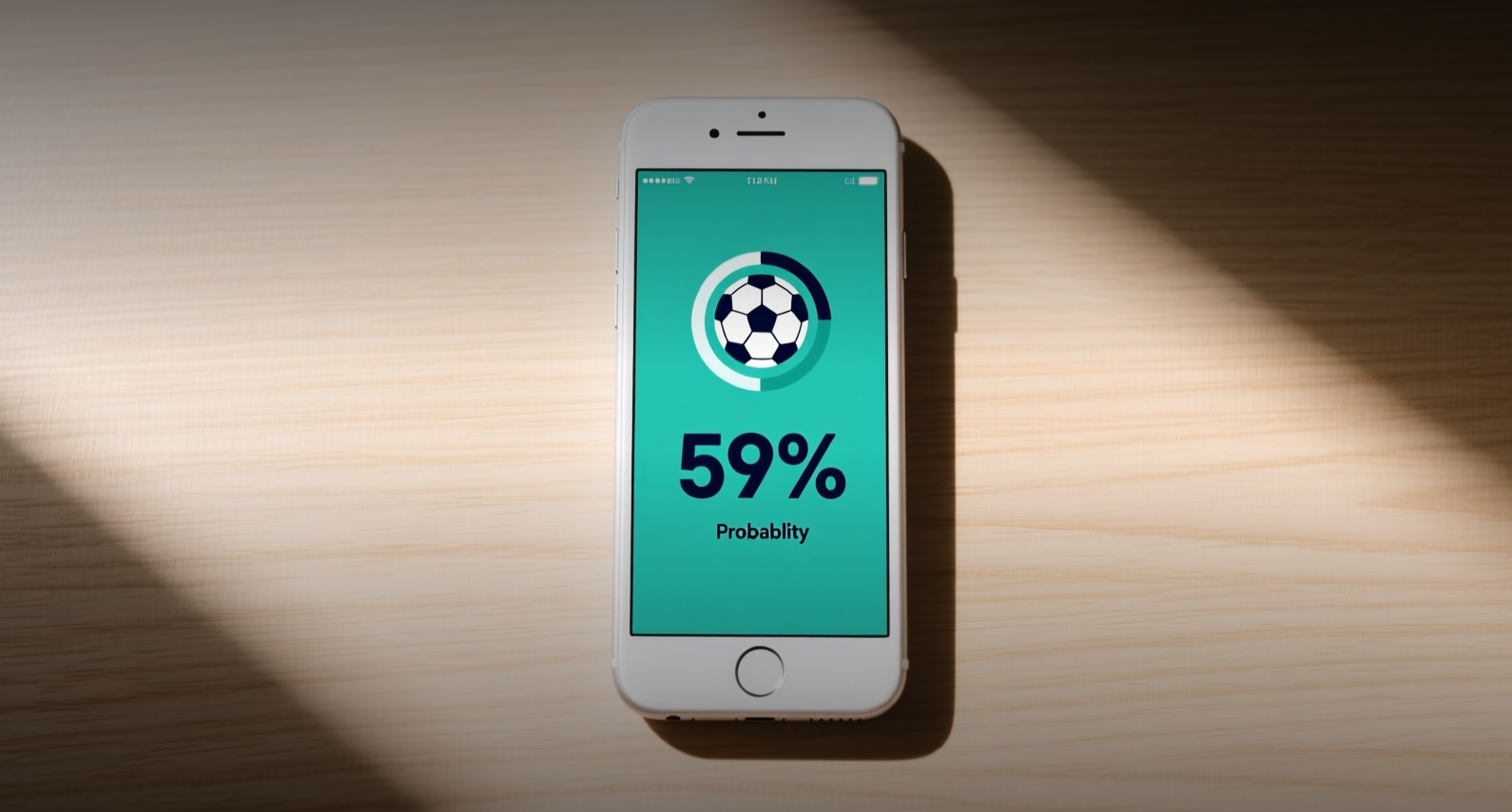
OpenAI has integrated Kalshi's FIFA World Cup prediction market odds into ChatGPT search results, marking the AI firm's first partnership with a prediction market platform.
OpenAI began displaying Kalshi's market odds for World Cup matches in ChatGPT search results, the New York Times reported July 13. The integration, which was not publicly announced, shows graphics with each team's implied probability of winning based on Kalshi's prediction markets. A search for France versus Spain showed France with a 59% chance of victory, while England versus Argentina displayed England at 55%, with Kalshi cited as the source.
"Prediction markets are becoming a trusted signal for real-world outcomes, and integrating them into AI search makes that data accessible at the moment of inquiry," said Austin Campbell, adjunct professor at Columbia Business School who studies prediction markets and blockchain finance. "The key question is whether users understand these are market-generated probabilities, not AI-generated forecasts."
Kalshi, a regulated prediction market platform, recorded more than $33 billion in monthly notional volume in June 2026, according to Dune Analytics data — about $22 billion ahead of rival Polymarket. The integration does not allow users to place bets through ChatGPT, with Kalshi data intended for informational purposes only, per OpenAI's guidance cited in the report.
The move places OpenAI alongside a growing roster of technology and media companies incorporating prediction market data into consumer products. Google integrated Kalshi and Polymarket data into Google Finance and Search in November 2025. Kalshi signed data partnerships with CNN and CNBC in December 2025, while Polymarket partnered with Dow Jones in January 2026 to supply data to The Wall Street Journal. For OpenAI, the integration adds a real-time data layer to ChatGPT's search capabilities, potentially increasing user engagement with the product as World Cup viewership drives interest in match predictions. The broader trend signals that prediction markets — long a niche domain of crypto traders and political forecasters — are becoming a mainstream data source for consumers and media alike.
This article is for informational purposes only and does not constitute investment advice.